Author: CryptoExpert
-

Tokenized Real-World Assets Reach $31.76 Billion as Circle’s USYC Tops $3 Billion
[ad_1] Key Takeaways Tokenized real-world assets reached about $31.76 billion, with Circle’s USYC topping $3 billion and Blackrock’s BUIDL near $2.4 billion. Recent launches have put tokenized SpaceX and Revolut equity onchain via platforms like Colb. Concentration among a few issuers and thin liquidity for newer assets remain key risks for the sector. A Market…
-

BitMine Nears 5% of ETH Supply With $10B Holdings Despite Bear Market
[ad_1] BitMine Immersion Technologies continued to expand its Ether holdings last week, acquiring more of the second-biggest digital asset despite a prolonged market downturn as its large staking operation continued to generate yield. On Monday, the crypto treasury company reported that it acquired 76,881 Ether (ETH) over the past week, potentially reducing its average cost…
-

SEC Crypto Regulation News: What It Means for Investors
Introduction: Why SEC Crypto Regulation News Matters Now The Securities and Exchange Commission (SEC) has emerged as the single most consequential regulatory force shaping the cryptocurrency market in the United States. For everyday investors holding Bitcoin (BTC), Ethereum (ETH), or smaller altcoins, understanding the SEC’s role is no longer optional — it is essential to…
-
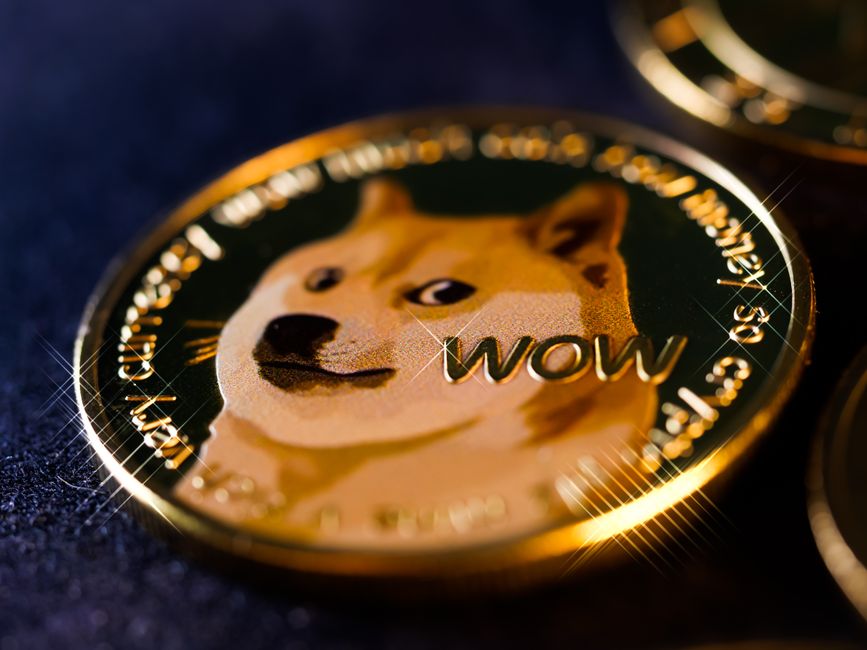
Meme Coin Risks and Volatility Explained for US Investors
What Are Meme Coins? Meme coins are a category of cryptocurrency that originated from internet jokes, viral memes, or social media trends rather than from a genuine attempt to solve a technical problem in blockchain development. Unlike established digital assets such as **Bitcoin (BTC)** or **Ethereum (ETH)** — which were designed to serve specific functional…
-

How to Read Crypto Market Charts: A Beginner’s Guide
Why Reading Crypto Market Charts Matters Crypto markets never sleep. Bitcoin, Ethereum, and hundreds of altcoins swing by double-digit percentages in a single day, and without a basic framework for reading charts, you are essentially navigating the market blind. Learning **how to read crypto market charts** gives you the vocabulary to interpret price action, recognize…
-

SEC Crypto Regulation: What Investors Need to Know in 2025
How SEC Cryptocurrency Enforcement Shapes Investor Portfolios The U.S. Securities and Exchange Commission (SEC) has intensified its focus on the cryptocurrency industry over the past several years, and the consequences for everyday investors are becoming impossible to ignore. From landmark enforcement actions against major exchanges to ambiguous guidance on which digital assets qualify as securities,…
-
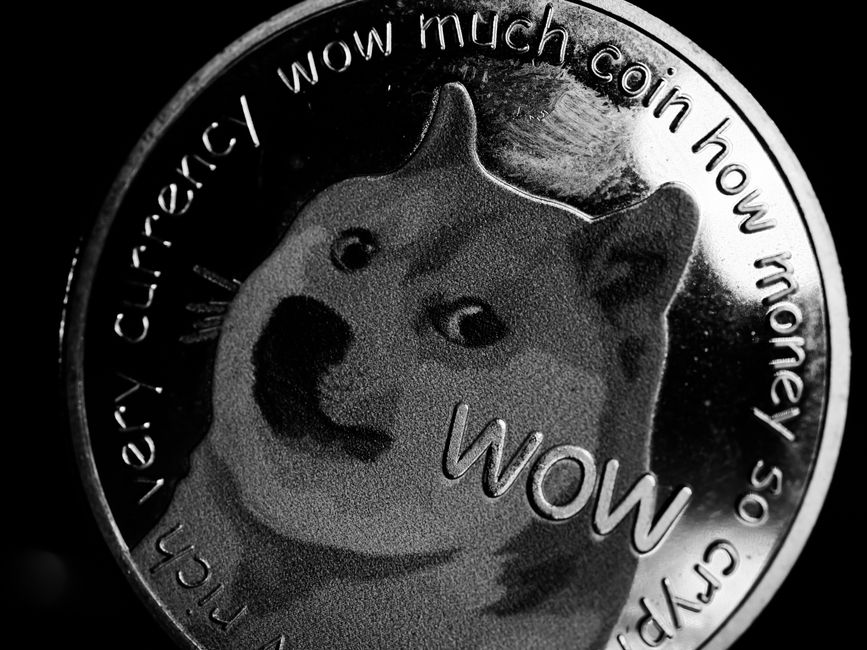
Meme Coin Risks and Volatility Explained for US Investors
What Are Meme Coins and Why Are They Trending Meme coins are cryptocurrencies created as internet jokes, cultural references, or viral social experiments rather than as serious financial or technological tools. The category has grown from a niche internet curiosity into a multi-billion-dollar speculative market. The most recognizable examples, **Dogecoin (DOGE)** and **Shiba Inu (SHIB)**,…
-
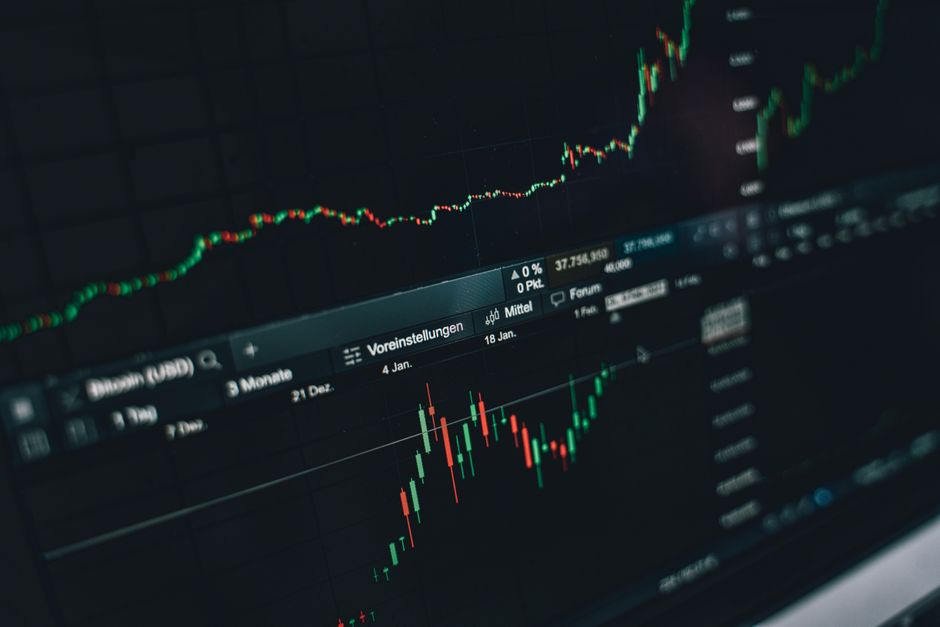
How to Read Crypto Market Charts: A Beginner’s Guide
What Crypto Market Charts Actually Show Crypto market charts display the historical trading activity of a digital asset — such as Bitcoin or Ethereum — over a chosen time period. Every chart plots two core variables: price on the vertical axis and time on the horizontal axis. Reading these charts correctly is one of the…
-
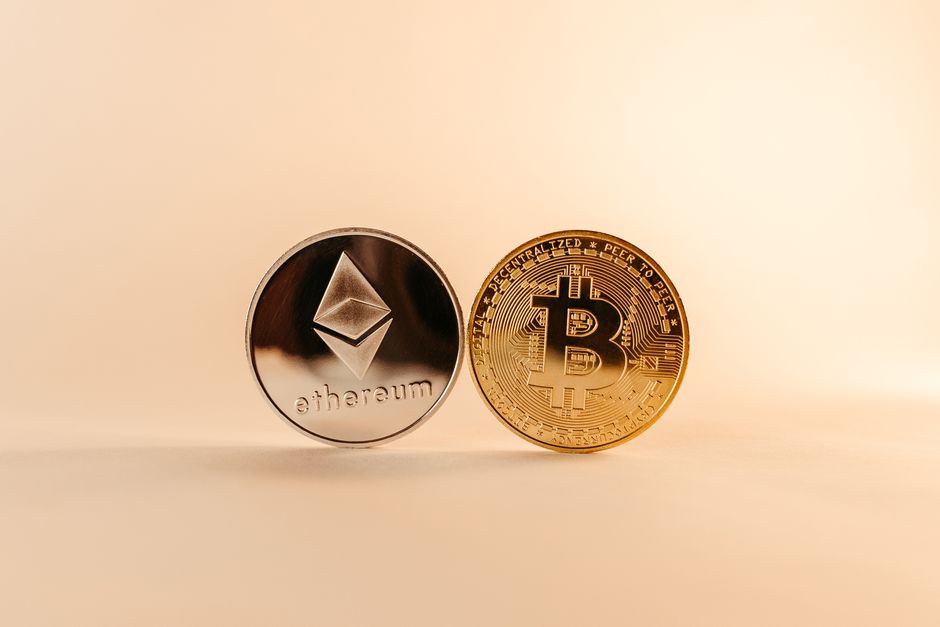
Ethereum vs Solana: A 2026 Comparison Guide for Beginners
Why Comparing Ethereum and Solana Matters in 2026 The cryptocurrency market has matured considerably, but choosing between Ethereum and Solana remains one of the most common decisions new investors face. Both platforms are **altcoins** — meaning any cryptocurrency other than Bitcoin — yet they take fundamentally different technical approaches to solving the same core problem:…
-

Meet Qwen-RobotSuite: Three Embodied AI Models for VLA Manipulation, Video World Modeling, and Navigation
[ad_1] The Qwen team has released three embodied AI models, grouped as Qwen-Robot-Suite. The three are Qwen-RobotManip, Qwen-RobotWorld, and Qwen-RobotNav. Each is built on a Qwen vision-language backbone and targets a different robotics problem. Qwen-RobotManip is a Vision-Language-Action model for manipulation, built on Qwen3.5-4B. Qwen-RobotWorld is a language-conditioned video world model with a 60-layer MMDiT…