What Are Meme Coins?
Meme coins are a category of cryptocurrency that originated from internet jokes, viral memes, or social media trends rather than from a genuine attempt to solve a technical problem in blockchain development. Unlike established digital assets such as **Bitcoin (BTC)** or **Ethereum (ETH)** — which were designed to serve specific functional purposes like decentralized payments or smart contract execution — most meme coins carry little to no underlying technical utility. Their value rests almost entirely on speculation and community-driven enthusiasm.
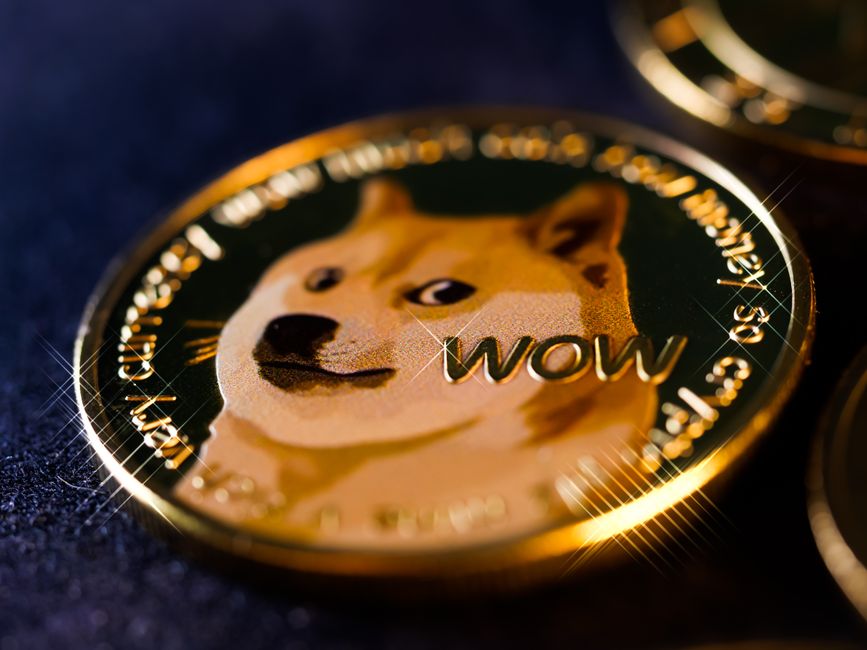
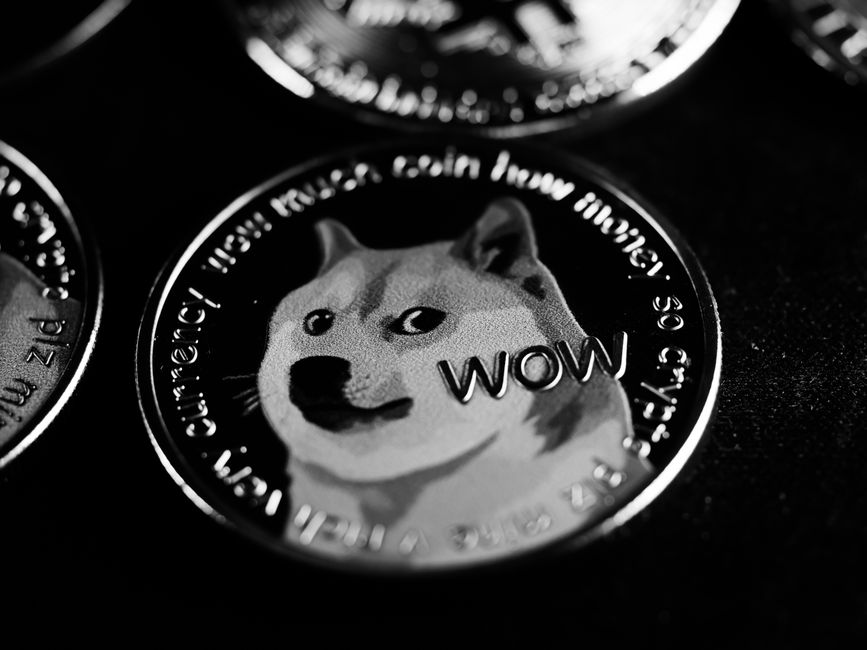
The most recognizable example is **Dogecoin (DOGE)**, launched in 2013 as a satirical nod to the Shiba Inu dog meme. **Shiba Inu (SHIB)** arrived years later, riding a wave of internet culture momentum. What separates these assets from more established cryptocurrencies is their origin story and the communities that rally around them. Most meme coins launch with a humorous or casual premise, often without a detailed technical whitepaper or a clear development roadmap. Understanding this distinction is the first step for any investor considering exposure to this volatile corner of the crypto market.
- Meme coins are cryptocurrencies inspired by internet memes or jokes
- Unlike Bitcoin or Ethereum, they lack significant technical utility
- Popular examples include Dogecoin (DOGE) and Shiba Inu (SHIB)
Meme Coin Market Trends
The meme coin market has experienced dramatic cycles of boom and bust over the past several years. After Dogecoin’s initial launch, the category remained a niche curiosity for much of the 2010s. The **2020–2021 bull market** brought meme coins into mainstream financial conversations, with retail investors flooding into the space through commission-free trading apps. During peak periods, several meme coins saw valuations surge by thousands of percentage points in mere days or weeks — generating enormous excitement alongside equally enormous losses.
Several key factors drive meme coin price movements. **Social media platforms** such as Reddit, X (formerly Twitter), and TikTok play an outsized role, with viral posts capable of triggering sudden price spikes. Influencer endorsements, celebrity tweets, and coordinated community campaigns can move markets within hours. Unlike stocks or traditional commodities, meme coins have no earnings reports, no regulatory filings, and no balance sheets to analyze. Social sentiment is the primary price driver, creating an environment where valuations can decouple completely from any rational framework.
| Metric | Bitcoin (BTC) | Ethereum (ETH) | Dogecoin (DOGE) | Shiba Inu (SHIB) |
|---|---|---|---|---|
| Avg. Daily Price Volatility | Moderate | Moderate-High | High | Very High |
| Primary Price Driver | Institutional demand | Network usage | Social media buzz | Social media buzz |
| Market Cap Stability | Relatively stable | Stable | Unstable | Highly volatile |
| Utility/Baseline Demand | Store of value | Smart contracts | Community tipping | Speculative only |
How US Investors Can Access Meme Coins
For American investors interested in meme coins, purchasing them has become relatively straightforward through major regulated cryptocurrency exchanges. Platforms such as **Coinbase**, **Kraken**, and **Binance US** allow users to buy popular meme coins using bank transfers, debit cards, or ACH transfers. Most exchanges list Dogecoin directly, while Shiba Inu and other tokens may require trading through specific pairs — a distinction that carries real legal and security implications for US investors.
The potential advantages of gaining exposure include low entry cost, high upside potential in short timeframes, and easy accessibility through mainstream trading apps. The disadvantages, however, are equally significant. Meme coins are susceptible to **pump-and-dump schemes**, rug-pull scams, and coordinated market manipulation. Because these assets lack fundamental value, there is no earnings power, dividend, or utility to anchor a price floor. Investors who buy at peak hype often suffer devastating losses when sentiment reverses. No amount of community enthusiasm can substitute for genuine demand or technological utility.
- Most US-regulated exchanges offer Dogecoin; Shiba Inu may require offshore or DEX access
- Advantages include low cost and high upside potential
- Disadvantages include manipulation risk, rug pulls, and a complete lack of fundamental value
Key Risks and Extreme Volatility
The risks inherent to meme coin investments rank among the highest in the entire cryptocurrency ecosystem. Because meme coins have no underlying revenue model, no real-world use case, and often minimal developer activity, their prices are almost entirely at the mercy of collective market psychology. A single negative tweet, a regulatory announcement, or a broader crypto market selloff can wipe out 30%, 50%, or even 90% of a meme coin’s value in a matter of hours. Investors should be prepared for the possibility of total loss.
Historically, meme coin volatility dwarfs even the most aggressive mainstream cryptocurrencies. Bitcoin, despite its reputation for wild swings, typically moves within a fraction of the daily percentage range seen by leading meme coins. **Shiba Inu**, for example, saw price appreciation that would have turned a $10,000 investment into millions — only to lose the majority of that value in the months that followed. Such extreme movements are not anomalies; they are structural features of the meme coin market. The lesson is straightforward: gains made quickly in meme coins can disappear just as fast, and no amount of social media excitement substitutes for sound risk management.
Social media amplifies volatility in ways that traditional markets rarely experience. Coordinated campaigns on Reddit communities or Telegram groups can create artificial buying pressure, inflating prices to unsustainable levels before a coordinated sell-off leaves latecomers with catastrophic losses. Staying aware of these dynamics — and avoiding decisions made during periods of social media frenzies — is critical for any investor considering this space.
Regulatory and Tax Considerations for US Investors
US investors face a unique set of challenges when investing in meme coins. The **regulatory environment** for cryptocurrencies in the United States remains in flux, with agencies such as the **Securities and Exchange Commission (SEC)**, the **Commodity Futures Trading Commission (CFTC)**, and the **Internal Revenue Service (IRS)** each asserting different levels of oversight. The SEC has signaled that certain tokens may qualify as securities, triggering registration requirements and legal obligations for issuers and exchanges. Meme coins — often launched anonymously with minimal disclosure — could be particularly vulnerable to regulatory action.
From a tax perspective, the IRS treats cryptocurrency as property. This means that every meme coin trade — whether swapping Dogecoin for Shiba Inu or cashing out to US dollars — is a **taxable event**. Short-term capital gains tax applies to holdings of less than one year, while long-term rates apply to longer holdings. For active meme coin traders executing dozens of trades per week, this creates significant record-keeping obligations. Failure to report cryptocurrency transactions accurately can trigger audits, penalties, and interest charges.
Legal risks also include exposure to fraudulent meme coin launches. Rug-pull scams — where developers abandon a project and drain all liquidity — are particularly common. Because many meme coins are deployed on decentralized platforms with little to no KYC verification, victims of fraud have limited legal recourse. US investors should verify that any platform used for trading is compliant with state money transmitter laws and federal regulations before committing capital.
Lessons from Real-World Meme Coin Case Studies
Examining real-world examples provides valuable context for anyone considering meme coin exposure. **Dogecoin** stands out as the most enduring success story in this category. What began as a joke in 2013 became a multi-billion-dollar asset, benefiting from celebrity endorsements and a passionate online community. Investors who bought Dogecoin during its early years and held through multiple market cycles saw extraordinary returns. However, Dogecoin’s longevity is the exception rather than the rule.
On the opposite end of the spectrum, countless meme coins have launched and collapsed within days or weeks. Projects that gained viral attention on TikTok or X often saw massive price spikes followed by near-complete collapses as the hype faded. **Many investors who bought during the peak of a social media frenzy lost 95% or more of their investment** when the community moved on to the next viral token. The common thread in failed meme coin investments is the absence of any fundamental value — once the hype dissipates, there is nothing to support the price.
| Case Study | Outcome | Key Lesson |
|---|---|---|
| Dogecoin (DOGE) | Long-term survival with community support | Longevity requires ongoing engagement and real utility |
| Shiba Inu (SHIB) | Massive gains followed by significant correction | High volatility amplifies both gains and losses |
| Short-lived viral tokens | Near-total value loss within weeks | Viral fame alone cannot sustain a cryptocurrency |
The honest framing for US investors is that meme coin investing resembles gambling more than traditional investment strategy. Timing, luck, and market sentiment play far larger roles than fundamental analysis.
The Blockchain Infrastructure Behind Meme Coins
Most meme coins are built on existing blockchain networks rather than purpose-built chains. **Dogecoin** operates on a fork of Litecoin’s codebase, using a **Proof-of-Work (PoW)** consensus mechanism. This means it shares technical roots with older cryptocurrency infrastructure, inheriting both battle-tested security and limitations such as slower transaction speeds compared to newer networks. **Shiba Inu** and many other meme tokens are built on the **Ethereum blockchain** as **ERC-20 tokens**, relying on Ethereum’s network for security and transaction validation.
Blockchain infrastructure matters in several practical ways. Tokens built on Ethereum inherit the network’s congestion issues — during periods of high traffic, gas fees for transferring Shiba Inu or similar tokens can spike dramatically, eating into profits. Coins running on their own PoW chains, like Dogecoin, face different challenges, including higher energy consumption and slower adoption by developers building new applications.
Looking ahead, future developments specific to meme coin technology are likely to remain limited. Any meaningful technological advances in this space will probably come from underlying chains — Ethereum’s ongoing upgrades or new Layer 2 scaling solutions — rather than from meme coin-specific development efforts. For broader market analysis and emerging trends, exploring trending cryptocurrencies on this site can provide useful context.
How News and Media Shape Meme Coin Markets
Meme coins regularly dominate cryptocurrency news cycles, and media coverage itself becomes a market force. When a prominent figure tweets about a meme coin, the price response is often immediate and dramatic. Major news outlets covering meme coin rallies can attract new waves of retail investors, creating feedback loops of buying pressure. Conversely, negative coverage — such as reports of regulatory crackdowns, exchange delistings, or fraud investigations — can trigger swift and severe selloffs.
Recent developments have brought increased institutional attention to the meme coin space. Financial analysts have issued public warnings about the structural risks these assets carry. Regulatory agencies have also increased scrutiny of celebrity-endorsed token launches, with the SEC issuing guidance about unregistered securities offerings in the meme coin category. For US investors, staying informed about regulatory developments is essential, as enforcement actions can move prices significantly and alter the legal landscape overnight. Following trending crypto news helps investors separate signal from noise in an environment where viral posts often move faster than fundamentals.
Investment Risk Disclaimer
**Important:** Cryptocurrency investing carries substantial risk, including the potential for total loss of capital. Meme coins are among the most volatile and speculative assets in the cryptocurrency market. Nothing in this article constitutes financial advice, a price prediction, or a guarantee of returns. Past performance of any cryptocurrency, including Dogecoin or Shiba Inu, is not indicative of future results. US investors should consult a licensed financial advisor and understand all applicable tax obligations before investing in any digital asset. Always invest only what you can afford to lose completely.
Frequently Asked Questions (FAQ)
What are the main risks of investing in meme coins?
Meme coin investments carry risks that far exceed most other asset classes. These include extreme price volatility driven by social media sentiment, the possibility of total loss from rug-pull scams or project abandonment, regulatory uncertainty in the United States, and complex tax reporting obligations. Because meme coins lack fundamental value — such as earnings, revenue, or real utility — their prices are not anchored by any economic metric, making them particularly susceptible to speculative bubbles and sudden crashes.
How volatile are meme coins compared to Bitcoin and Ethereum?
Meme coins are substantially more volatile than mainstream cryptocurrencies like Bitcoin and Ethereum. While Bitcoin might move 5–10% in a typical trading day, leading meme coins have routinely moved 20–50% or more in a single day based purely on social media trends. The comparison table earlier in this article illustrates the stark difference in volatility profiles. This extreme volatility cuts both ways — it amplifies gains but also magnifies losses dramatically.
What factors drive meme coin prices?
The primary drivers of meme coin prices are social media sentiment, influencer activity, and broader cryptocurrency market trends. Community engagement on platforms like Reddit and X can spark buying frenzies, while negative press or celebrity criticism can trigger selloffs. Unlike stocks or commodities, meme coin prices are not influenced by earnings reports, economic data, or company performance. Traditional analytical tools are largely ineffective when evaluating meme coin investments.
Should US investors consider allocating money to meme coins?
Whether meme coins are appropriate for any individual investor depends on their financial situation, risk tolerance, and investment goals. For most investors, meme coins should represent only a very small portion — if any — of a diversified portfolio. US investors should account for regulatory risks, tax implications, and the very real possibility of losing their entire investment. Consulting with a certified financial planner before allocating any capital to meme coins is strongly recommended.
Charting & Exchange Resources
| Platform | Use Case | Key Feature | Fee Model | Action |
|---|---|---|---|---|
| TradingView | Charting & technical analysis | Indicators, multi-timeframe charts | Free / Pro tiers | View Platform |
| Coinbase | Exchange (beginner-friendly) | Simple USD on-ramp, educational tools | Varies by region | View Platform |
| Binance | Exchange (advanced pairs) | Wide altcoin coverage, spot markets | Varies by region | View Platform |
Affiliate Disclosure: This post contains affiliate links. We may earn a commission if you buy through our links, at no extra cost to you. Investment Risk Disclaimer: Cryptocurrency and digital asset markets are highly volatile. This content is for informational and educational purposes only and is not financial, investment, or trading advice. You may lose some or all of your capital. Do your own research and consult a licensed financial advisor before making investment decisions.


Leave a Reply