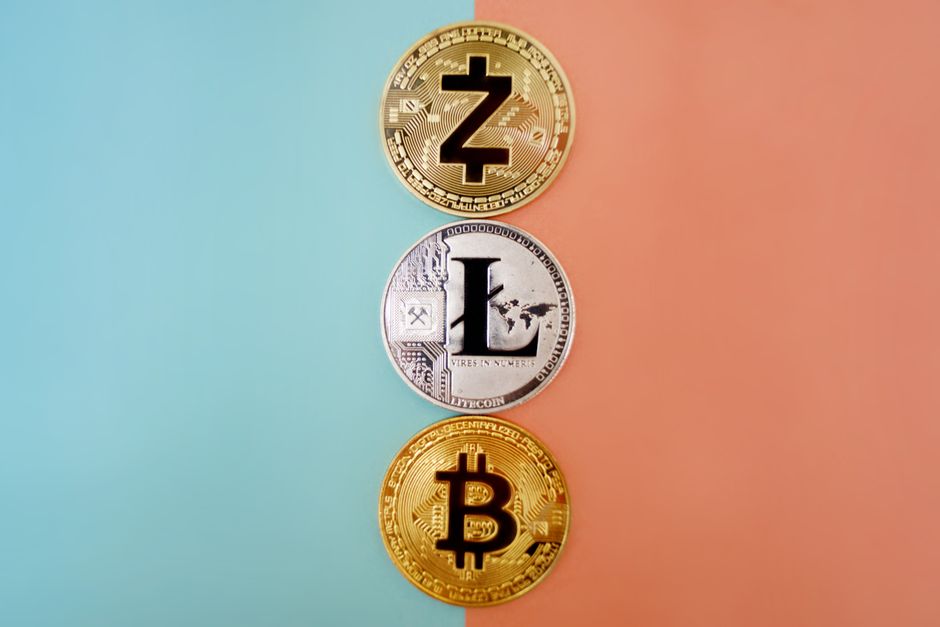
What Is Altcoin Volatility?
Altcoin volatility refers to the rapid and often unpredictable price fluctuations experienced by alternative cryptocurrencies beyond Bitcoin. These digital assets can experience dramatic price swings within hours, days, or weeks, with some altcoins seeing their values increase or decrease by 20%, 50%, or even more in a single trading session. This extreme price movement is measured by statistical indicators that track how much an asset’s price deviates from its average value over time.
Several factors contribute to altcoin market volatility, including limited market capitalization, lower trading volumes compared to Bitcoin, and heightened sensitivity to market sentiment. Unlike established financial markets with decades of regulatory framework and institutional participation, altcoin markets operate in a relatively nascent environment where news events, social media trends, and regulatory announcements can trigger massive price movements. The smaller market caps of most altcoins mean that even modest buying or selling pressure can result in significant price changes.
When compared to traditional financial markets, altcoin volatility far exceeds that of stocks, bonds, or commodities. While the S&P 500 might experience annual volatility of 15-20%, many altcoins regularly exhibit volatility rates of 80-150% or higher. This stark difference reflects the experimental nature of cryptocurrency technology, the speculative behavior of many market participants, and the absence of fundamental valuation models that guide traditional asset pricing.
Altcoin Volatility Explained
Cryptocurrency volatility represents the degree of price variation an altcoin experiences over a specific time period, typically measured as the standard deviation of returns. This metric matters because it directly impacts investment risk, trading strategies, and the practical utility of altcoins as stores of value or mediums of exchange. High volatility can create substantial profit opportunities for traders but also poses significant risks for long-term investors and businesses considering cryptocurrency adoption.
Historical examples of altcoin volatility demonstrate the extreme nature of these price movements. Ethereum, the second-largest cryptocurrency, experienced a decline from over $4,800 to under $900 between November 2021 and June 2022, representing an 80% drop. Similarly, many smaller altcoins have experienced even more dramatic swings, with some losing 90% or more of their value during market downturns, only to recover substantially during subsequent bull markets.
The impact of volatility extends beyond individual investors to affect the broader cryptocurrency ecosystem. Extreme price swings can trigger liquidations in leveraged trading positions, create challenges for businesses accepting cryptocurrency payments, and influence regulatory discussions about digital asset oversight. Market volatility also affects the development of cryptocurrency-based financial products and services, as traditional financial institutions often view high volatility as a barrier to mainstream adoption.
Why Is Crypto So Volatile?
Cryptocurrency volatility stems from multiple interconnected factors that create a perfect storm for price instability. Market sentiment plays a crucial role, as cryptocurrency markets are heavily influenced by investor emotions, social media discussions, and public perception of blockchain technology. Unlike traditional assets backed by tangible assets or cash flows, many altcoins derive their value primarily from speculation about future utility and adoption, making them susceptible to rapid sentiment shifts.
News events and regulatory changes can trigger immediate and substantial price movements across altcoin markets. Announcements about government regulations, institutional adoption, technological developments, or security breaches can cause investors to rapidly buy or sell positions. The 24/7 nature of cryptocurrency markets means these reactions occur continuously, without the circuit breakers or trading halts that exist in traditional financial markets to moderate extreme movements.
Different altcoins respond to market volatility based on their specific characteristics, use cases, and market positioning. Utility tokens tied to specific blockchain platforms may experience volatility related to adoption of their underlying technology, while privacy-focused coins might react strongly to regulatory news about financial privacy. Meme coins and speculative altcoins often exhibit the highest volatility, as their values are primarily driven by social media trends and community enthusiasm rather than fundamental technological or economic factors.
Managing Altcoin Volatility Risk
Navigating volatile crypto markets requires disciplined risk management strategies that acknowledge the unpredictable nature of altcoin price movements. Position sizing represents one of the most critical risk management tools, as investors should never allocate more capital to altcoins than they can afford to lose completely. Many experienced cryptocurrency investors follow the rule of limiting crypto exposure to 5-10% of their total investment portfolio, with altcoins representing an even smaller subset of that allocation.
Diversification within cryptocurrency holdings can help reduce overall portfolio volatility, though it’s important to understand that most altcoins tend to move in the same direction during major market events. Spreading investments across different categories of altcoins—such as smart contract platforms, decentralized finance tokens, and utility coins—may provide some risk reduction, but correlation between cryptocurrencies remains high during market stress periods.
Staying informed and making data-driven decisions becomes essential when dealing with volatile altcoin markets. This includes setting clear entry and exit strategies before making investments, using stop-loss orders to limit potential losses, and avoiding emotional decision-making during periods of extreme price movement. Regular portfolio rebalancing and taking profits during strong performance periods can help manage the psychological challenges of volatile markets while maintaining disciplined investment approaches.
Staying Informed About Altcoin Volatility
Tracking and analyzing cryptocurrency volatility requires access to reliable data sources and analytical tools that provide real-time market information. Professional cryptocurrency exchanges offer advanced charting tools that display volatility indicators, trading volumes, and price history across multiple timeframes. These platforms typically include technical analysis tools such as Bollinger Bands, Average True Range, and volatility indices that help investors understand current market conditions relative to historical patterns.
Interpreting market data and charts requires understanding key volatility metrics and their implications for investment decisions. The VIX-equivalent for cryptocurrencies, various volatility indices, and implied volatility from options markets provide insights into market expectations for future price movements. Learning to read candlestick charts, volume patterns, and support and resistance levels helps investors identify potential entry and exit points while understanding the risk associated with different market conditions.
Staying current with cryptocurrency news and developments is crucial for anticipating potential volatility triggers. This includes monitoring regulatory announcements from major jurisdictions, technological developments in blockchain platforms, institutional adoption news, and macroeconomic factors that influence risk appetite for speculative assets. Following reputable cryptocurrency news sources, regulatory agency announcements, and official communications from altcoin development teams provides the information necessary to make informed decisions in volatile markets.
Case Studies: Altcoin Volatility in Action
The Terra Luna ecosystem collapse in May 2022 provides a stark example of extreme altcoin volatility and its consequences. LUNA token, which had reached an all-time high of over $80 in April 2022, lost more than 99% of its value within days as the algorithmic stablecoin TerraUSD lost its dollar peg. This event demonstrated how interconnected cryptocurrency protocols can create cascading volatility effects, with the collapse affecting not only LUNA holders but also investors in related tokens and protocols throughout the broader cryptocurrency ecosystem.
Market reactions during the Terra Luna crisis revealed both the speed at which altcoin volatility can manifest and the challenges investors face in responding to rapidly evolving situations. Many investors found themselves unable to exit positions due to exchange outages, trading halts, and extreme price gaps between buy and sell orders. The event highlighted the importance of understanding the underlying mechanisms of altcoin projects and the risks associated with experimental cryptocurrency technologies.
Lessons learned from significant volatility events emphasize the importance of thorough research, risk management, and maintaining realistic expectations about altcoin investments. Best practices include understanding the technology and tokenomics of altcoin projects before investing, maintaining emergency funds separate from cryptocurrency investments, and developing predetermined exit strategies that don’t rely on perfect market timing. These volatility events also underscore the experimental nature of many altcoin projects and the potential for total loss of investment.
Investment Risk Disclaimer
Cryptocurrency investments, particularly in altcoins, carry substantial risk of loss and extreme volatility. Altcoin markets are highly speculative, largely unregulated, and subject to manipulation, technical failures, and total loss of value. Past performance does not indicate future results, and investors should never invest more than they can afford to lose completely. The information provided in this analysis is for educational purposes only and does not constitute financial advice, investment recommendations, or professional guidance.
Market conditions can change rapidly and unpredictably, making it impossible to guarantee any investment outcomes or predict future price movements. Investors should conduct their own research, consult with qualified financial advisors, and carefully consider their risk tolerance before making any cryptocurrency investments. The volatile nature of altcoin markets means that significant losses can occur quickly and without warning.
Frequently Asked Questions (FAQ)
What is the difference between Bitcoin and altcoin volatility?
Bitcoin generally exhibits lower volatility compared to most altcoins due to its larger market capitalization, higher trading volumes, and greater institutional adoption. While Bitcoin can still experience significant price swings, altcoins typically show more extreme volatility because of their smaller market caps, lower liquidity, and higher sensitivity to market sentiment. Bitcoin’s established position as the leading cryptocurrency provides some stability relative to newer or more speculative altcoin projects.
How can investors protect themselves from altcoin market volatility?
Investors can manage altcoin volatility risk through proper position sizing, diversification across asset classes, setting stop-loss orders, and maintaining a long-term investment perspective. Never investing more than you can afford to lose completely is crucial, as is avoiding emotional decision-making during periods of extreme price movement. Regular portfolio rebalancing and taking profits during strong performance periods can help manage the psychological challenges of volatile markets.
Is altcoin volatility a sign of a problematic or unhealthy market?
Altcoin volatility reflects the nascent and experimental nature of cryptocurrency markets rather than necessarily indicating market problems. High volatility is common in emerging asset classes and technologies, though it does present challenges for mainstream adoption and practical use cases. As cryptocurrency markets mature and gain institutional participation, volatility may decrease over time, but significant price swings are likely to remain a characteristic of altcoin markets for the foreseeable future.
Conclusion: Balancing Opportunity and Risk in Altcoin Markets
Understanding altcoin volatility is essential for anyone considering cryptocurrency investments, as these extreme price movements represent both the greatest opportunities and most significant risks in digital asset markets. The factors driving volatility—from market sentiment and regulatory changes to technological developments and speculative trading—create an environment where substantial gains and losses can occur rapidly and unpredictably.
Successful navigation of altcoin markets requires a combination of thorough education, disciplined risk management, and realistic expectations about investment outcomes. Investors must acknowledge that altcoin investments are highly speculative and should represent only a small portion of a diversified investment portfolio. Staying informed about market developments, understanding the technology behind altcoin projects, and maintaining predetermined investment strategies can help manage the challenges of volatile cryptocurrency markets.
The future of altcoin volatility will likely depend on factors including regulatory clarity, institutional adoption, technological maturation, and the development of more sophisticated market infrastructure. While volatility may decrease as markets mature, the experimental nature of blockchain technology and the speculative behavior of many market participants suggest that significant price swings will remain a defining characteristic of altcoin investments for years to come.
Explore more altcoin guides on our site.
Charting & Exchange Resources
| Platform | Use Case | Key Feature | Fee Model | Action |
|---|---|---|---|---|
| TradingView | Charting & technical analysis | Indicators, multi-timeframe charts | Free / Pro tiers | View Platform |
| Coinbase | Exchange (beginner-friendly) | Simple USD on-ramp, educational tools | Varies by region | View Platform |
| Binance | Exchange (advanced pairs) | Wide altcoin coverage, spot markets | Varies by region | View Platform |
Affiliate Disclosure: This post contains affiliate links. We may earn a commission if you buy through our links, at no extra cost to you. Investment Risk Disclaimer: Cryptocurrency and digital asset markets are highly volatile. This content is for informational and educational purposes only and is not financial, investment, or trading advice. You may lose some or all of your capital. Do your own research and consult a licensed financial advisor before making investment decisions.
Leave a Reply