Cryptocurrency Market Overview: Trends and Analysis
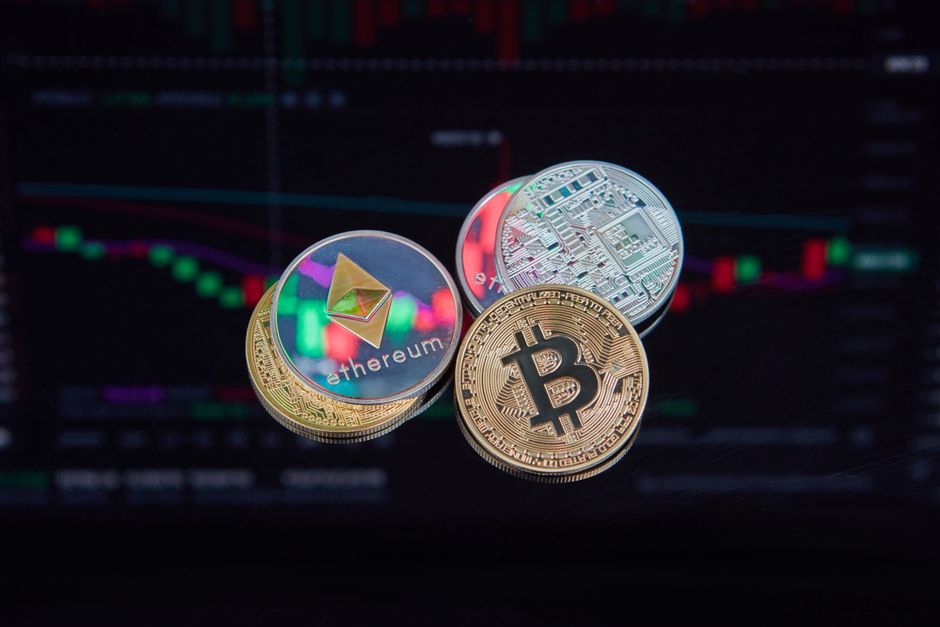
The cryptocurrency market continues to evolve rapidly, with trending cryptos capturing investor attention across global exchanges. Market capitalization has shown significant fluctuations throughout 2023, with total crypto market cap ranging between $800 billion and $1.2 trillion. Bitcoin (BTC) maintains its position as the dominant cryptocurrency, typically holding 40-50% market dominance, while Ethereum (ETH) consistently ranks second with approximately 18-20% market share.
Trading volume patterns reveal increased institutional participation, with daily trading volumes often exceeding $50 billion across major exchanges. This institutional influx has contributed to reduced volatility compared to previous years, though cryptocurrency markets remain inherently volatile. Major cryptocurrencies like Bitcoin and Ethereum have established stronger correlation patterns with traditional financial markets, particularly during periods of macroeconomic uncertainty.
Emerging altcoins and decentralized finance (DeFi) projects represent significant growth sectors within the broader cryptocurrency ecosystem. Layer-1 blockchain protocols, including Solana (SOL), Cardano (ADA), and Polygon (MATIC), have gained traction as developers seek alternatives to Ethereum’s higher transaction fees. However, investors must recognize that newer projects carry substantially higher risks, including potential technical vulnerabilities, regulatory challenges, and market manipulation concerns.
Bitcoin (BTC) Analysis: Is the King of Crypto Still the Top Choice for Investors?
Bitcoin remains the most recognized and widely adopted cryptocurrency, with market dominance fluctuating between 40-50% of total cryptocurrency market capitalization. Daily trading volumes for Bitcoin typically range from $10-30 billion, indicating strong liquidity and institutional interest. The cryptocurrency has established itself as a store of value asset, often referred to as “digital gold,” attracting both retail and institutional investors seeking portfolio diversification.
Technical analysis reveals key resistance levels around $30,000-$32,000 and support levels near $25,000-$27,000, based on recent trading patterns. Bitcoin’s price movements often influence broader cryptocurrency market sentiment, with altcoins frequently following Bitcoin’s directional trends. The Relative Strength Index (RSI) and moving average convergence divergence (MACD) indicators provide insights into potential momentum shifts, though cryptocurrency markets can experience rapid reversals regardless of technical signals.
On-chain metrics, including network hash rate, active addresses, and transaction volumes, offer fundamental analysis perspectives on Bitcoin’s network health. The hash rate has reached all-time highs, indicating strong miner confidence and network security. However, investors must consider Bitcoin’s energy consumption concerns, regulatory scrutiny, and potential competition from central bank digital currencies (CBDCs) when evaluating long-term investment prospects.
Ethereum (ETH) and the Rise of Ethereum 2.0
Ethereum’s transition to proof-of-stake (PoS) through the Ethereum 2.0 upgrade, completed in September 2022, fundamentally changed the network’s consensus mechanism and energy consumption profile. This transition reduced Ethereum’s energy usage by approximately 99.95%, addressing environmental concerns that previously limited institutional adoption. The upgrade also introduced staking mechanisms, allowing ETH holders to earn rewards by participating in network validation.
The Ethereum 2.0 upgrade timeline included multiple phases, with the Merge representing the most significant milestone. Subsequent upgrades focus on scalability improvements, including sharding implementation and layer-2 integration enhancements. These developments aim to increase transaction throughput from the current 15 transactions per second to potentially thousands of transactions per second, making Ethereum more competitive with newer blockchain protocols.
The decentralized finance (DeFi) ecosystem’s reliance on Ethereum creates substantial network effects and value accrual for ETH tokens. Total value locked (TVL) in Ethereum-based DeFi protocols often exceeds $30 billion, representing significant economic activity and demand for ETH as collateral and transaction fees. However, competition from alternative smart contract platforms and potential regulatory challenges for DeFi protocols present ongoing risks for Ethereum’s market position.
Altcoins: Identifying the Next Big Opportunity in the Cryptocurrency Market
Alternative cryptocurrencies, or altcoins, encompass thousands of digital assets beyond Bitcoin and Ethereum, each offering unique value propositions and technological innovations. Top-tier altcoins by market capitalization include Binance Coin (BNB), XRP, Cardano (ADA), Solana (SOL), and Dogecoin (DOGE). These established altcoins have demonstrated resilience through multiple market cycles and maintain active development communities and real-world use cases.
Promising newer altcoins often focus on specific technological improvements or niche applications. Layer-1 blockchain protocols like Avalanche (AVAX) and s (ATOM) offer faster transaction processing and lower fees compared to Ethereum. Privacy-focused cryptocurrencies such as Monero (XMR) and Zcash (ZEC) provide enhanced transaction anonymity. Gaming and metaverse tokens like Axie Infinity (AXS) and The Sandbox (SAND) capitalize on growing interest in blockchain-based virtual worlds and non-fungible tokens (NFTs).
Investing in altcoins carries significantly higher risks compared to established cryptocurrencies. Many altcoin projects lack proven track records, face regulatory uncertainty, and may experience extreme price volatility. Due diligence requires evaluating project fundamentals, including team credentials, technological innovation, community adoption, and competitive positioning. Investors should limit altcoin exposure to a small percentage of their overall cryptocurrency portfolio and never invest more than they can afford to lose completely.
Decentralized Finance (DeFi): Revolutionizing the Traditional Financial System
Decentralized Finance (DeFi) represents a paradigm shift in financial services, utilizing blockchain technology to create permissionless, programmable financial applications. The DeFi market has grown from virtually zero in 2019 to over $40 billion in total value locked (TVL) across various protocols. DeFi applications include decentralized exchanges (DEXs), lending platforms, yield farming protocols, and synthetic asset platforms, all operating without traditional financial intermediaries.
Key DeFi projects have demonstrated significant innovation and user adoption. Uniswap (UNI) pioneered automated market maker (AMM) technology for decentralized trading. Aave (AAVE) and Compound (COMP) enable users to lend and borrow cryptocurrencies without traditional credit checks. MakerDAO (MKR) created the first decentralized stablecoin (DAI) backed by cryptocurrency collateral. These protocols have processed billions of dollars in transactions and established new financial primitives.
Regulatory challenges pose the most significant threat to DeFi adoption and growth. Governments worldwide are developing frameworks to address DeFi’s regulatory status, particularly regarding securities laws, anti-money laundering (AML) requirements, and consumer protection. Technical risks include smart contract vulnerabilities, oracle manipulation, and liquidity risks during market stress. Despite these challenges, DeFi continues attracting institutional interest and traditional finance integration through partnerships and regulated DeFi products.
NFTs and the Future of Digital Assets
Non-fungible tokens (NFTs) have emerged as a significant cryptocurrency market segment, representing unique digital assets verified on blockchain networks. The NFT market experienced explosive growth in 2021-2022, with total sales volume exceeding $25 billion across various categories including digital art, collectibles, gaming items, and virtual real estate. Major NFT marketplaces like OpenSea, Blur, and Magic Eden facilitate trading of these digital assets, primarily on Ethereum and Solana blockchains.
Top NFT projects have achieved substantial market valuations and cultural significance. Bored Ape Yacht Club (BAYC) created a premium digital collectible brand with celebrity endorsements and commercial licensing opportunities. CryptoPunks established the foundational NFT art movement with pixelated character portraits. Axie Infinity demonstrated NFT utility in gaming through play-to-earn mechanics. These projects showcase NFTs’ potential beyond simple digital collectibles, including community membership, gaming assets, and int ctual property rights.
Future NFT developments focus on utility expansion and mainstream adoption. Potential applications include digital identity verification, supply chain tracking, event ticketing, and fractional ownership of real-world assets. However, the NFT market faces challenges including copyright infringement concerns, environmental impact criticism, and speculative bubble characteristics. Long-term NFT value depends on developing sustainable utility beyond speculative trading and addressing scalability issues on current blockchain networks.
Cryptocurrency Trading Platforms: Choosing the Right Exchange for Your Investments
Cryptocurrency exchanges serve as the primary gateway for buying, selling, and trading digital assets. Major centralized exchanges include Binance, Coinbase, Kraken, and FTX (prior to its collapse), each offering different features, fee structures, and security measures. Coinbase provides user-friendly interfaces suitable for beginners, while Binance offers extensive trading pairs and advanced features for experienced traders. Kraken emphasizes security and regulatory compliance, particularly for institutional clients.
Key factors for selecting a cryptocurrency exchange include trading fees, security measures, available cryptocurrencies, user interface design, customer support quality, and regulatory compliance. Trading fees typically range from 0.1% to 1% per transaction, with volume-based discounts for high-frequency traders. Security features should include two-factor authentication (2FA), cold storage for user funds, insurance coverage, and regular security audits. Regulatory compliance varies by jurisdiction, with some exchanges restricting services in certain countries.
Decentralized exchanges (DEXs) offer an alternative to centralized platforms, enabling peer-to-peer trading without intermediaries. Popular DEXs include Uniswap, SushiSwap, and PancakeSwap, which use automated market maker (AMM) protocols for price discovery and liquidity provision. DEXs provide greater privacy and control over funds but typically offer lower liquidity, higher transaction fees during network congestion, and more complex user interfaces. Users must also manage their own private keys and understand smart contract risks when using decentralized platforms.
Investing in Cryptocurrencies: Strategies for Managing Risk and Maximizing Returns
Cryptocurrency investing requires comprehensive risk management strategies due to the market’s inherent volatility and regulatory uncertainty. Diversification across different cryptocurrencies, market capitalizations, and use cases can help reduce portfolio risk. A typical diversified cryptocurrency portfolio might allocate 40-60% to Bitcoin and Ethereum, 20-30% to established altcoins, and 10-20% to emerging projects or DeFi tokens. This allocation should represent only a small percentage of an investor’s total investment portfolio, typically 5-10% maximum.
Fundamental analysis for cryptocurrency investing involves evaluating project technology, team credentials, community adoption, competitive positioning, and tokenomics. Technical analysis uses price charts, trading volume, and momentum indicators to identify potential entry and exit points. Dollar-cost averaging (DCA) strategies can help mitigate timing risks by spreading purchases over extended periods. Stop-loss orders and profit-taking strategies help manage downside risk and lock in gains during volatile market conditions.
Tax considerations for cryptocurrency investments vary by jurisdiction but generally require reporting capital gains and losses. In the United States, cryptocurrency transactions are subject to capital gains tax, with different rates for short-term (less than one year) and long-term holdings. Detailed record-keeping of all transactions, including dates, amounts, and fair market values, is essential for accurate tax reporting. Cryptocurrency tax software and professional tax advisors can help navigate complex reporting requirements and optimize tax strategies.
Frequently Asked Questions (FAQ)
What are the key factors driving cryptocurrency market trends in 2023?
Cryptocurrency market trends in 2023 are primarily influenced by macroeconomic conditions, including inflation rates, interest rate policies, and global economic uncertainty. Regulatory developments, particularly in major markets like the United States and European Union, significantly impact investor sentiment and institutional adoption. Technological advancements, including Ethereum 2.0 implementation, layer-2 scaling solutions, and central bank digital currency (CBDC) developments, also drive market dynamics. Additionally, institutional adoption by corporations, investment funds, and traditional financial institutions continues to influence long-term market trends.
How can investors identify promising altcoins with high growth potential?
Identifying promising altcoins requires thorough fundamental analysis of the project’s technology, team, and market opportunity. Investors should evaluate the project’s whitepaper, development roadmap, and competitive advantages compared to existing solutions. Team credentials, including previous experience and technical expertise, provide insights into execution capability. Community adoption metrics, including active users, developer activity, and social media engagement, indicate real-world traction. Additionally, tokenomics analysis, including supply mechanisms and utility within the ecosystem, helps assess long-term value potential. However, investors must recognize that even promising projects carry substantial risks and may fail to achieve their objectives.
What are the main risks associated with investing in the cryptocurrency market?
Cryptocurrency investing involves multiple risk categories that investors must understand and manage. Market volatility represents the most immediate risk, with cryptocurrency prices capable of declining 50% or more within short periods. Regulatory uncertainty poses significant risks, as government actions can restrict or ban cryptocurrency activities. Security risks include exchange hacks, wallet compromises, and smart contract vulnerabilities that can result in permanent loss of funds. Technology risks encompass potential flaws in blockchain protocols, scalability limitations, and competition from newer technologies. Additionally, liquidity risks may prevent investors from selling positions during market stress, particularly for smaller altcoins.
How does the Ethereum 2.0 upgrade impact the cryptocurrency market?
The Ethereum 2.0 upgrade significantly impacts the broader cryptocurrency market through improved scalability, energy efficiency, and staking mechanisms. Reduced energy consumption addresses environmental concerns that previously limited institutional adoption of Ethereum and proof-of-work cryptocurrencies. Enhanced scalability through sharding and layer-2 integration makes Ethereum more competitive with newer blockchain protocols, potentially increasing its market share. The introduction of staking creates new yield opportunities for ETH holders and reduces circulating supply. These improvements strengthen Ethereum’s position as the leading smart contract platform, benefiting the entire DeFi ecosystem and potentially increasing demand for ETH tokens. However, the upgrade also increases complexity and introduces new technical risks that investors must consider.
Explore more trending-cryptos guides on our site.
Charting & Exchange Resources
| Platform | Use Case | Key Feature | Fee Model | Action |
|---|---|---|---|---|
| TradingView | Charting & technical analysis | Indicators, multi-timeframe charts | Free / Pro tiers | View Platform |
| Coinbase | Exchange (beginner-friendly) | Simple USD on-ramp, educational tools | Varies by region | View Platform |
| Binance | Exchange (advanced pairs) | Wide altcoin coverage, spot markets | Varies by region | View Platform |
Affiliate Disclosure: This post contains affiliate links. We may earn a commission if you buy through our links, at no extra cost to you. Investment Risk Disclaimer: Cryptocurrency and digital asset markets are highly volatile. This content is for informational and educational purposes only and is not financial, investment, or trading advice. You may lose some or all of your capital. Do your own research and consult a licensed financial advisor before making investment decisions.
Leave a Reply