Understanding Altcoins

Altcoins, or alternative cryptocurrencies, are digital assets that have emerged since the creation of Bitcoin. While Bitcoin remains the most well-known and valuable cryptocurrency, the market has expanded to include a diverse range of altcoins, each with its own unique features and use cases.
The history of altcoins dates back to the launch of Namecoin in April 2011, which was followed by the introduction of Litecoin later that year. Since then, the altcoin market has grown exponentially, with thousands of new cryptocurrencies being created to address various challenges and opportunities in the digital asset space.
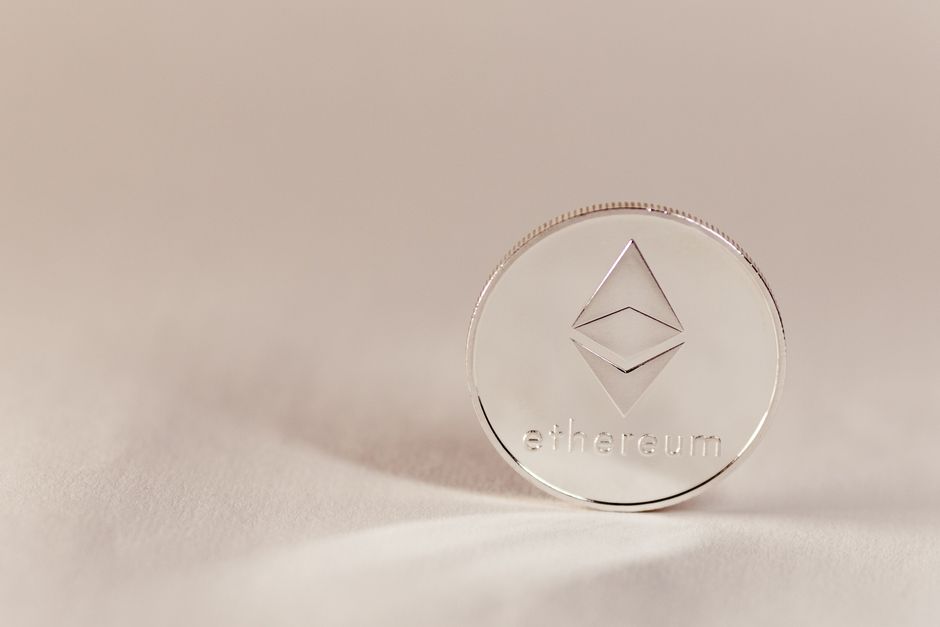
What sets altcoins apart from Bitcoin and other cryptocurrencies is their ability to offer different functionalities, such as faster transaction times, improved privacy, or specialized applications. For example, Ethereum is an altcoin that enables the development of decentralized applications (dApps) and smart contracts, while Monero focuses on providing enhanced privacy for its users.
Top Altcoins to Watch in 2026
As we look ahead to 2026, several altcoins are expected to gain significant attention from investors due to their promising market performance and potential applications. Some of the top contenders include:
- **Cardano (ADA)**: A blockchain platform that focuses on scalability and sustainability, with a strong emphasis on peer-reviewed research and a scientific approach to development.
- **Polkadot (DOT)**: A multi-chain network that enables interoperability between different blockchains, allowing for the transfer of data and assets across previously incompatible networks.
- **Chainlink (LINK)**: A decentralized oracle network that connects smart contracts with real-world data, enabling the creation of hybrid blockchain applications that can interact with external systems.
When evaluating an altcoin’s prospects and risks, it’s essential to consider factors such as market capitalization, trading volume, and liquidity. Additionally, conducting thorough research into the team behind the project, their track record, and the altcoin’s underlying technology can help you make informed investment decisions.
Analyzing Market Trends

To make informed decisions when investing in altcoins, it’s crucial to understand and analyze market trends. Several tools and platforms are available to help you track price movements, trading volumes, and other key indicators.
Some popular tools for analyzing altcoin market trends include:
- **CoinMarketCap**: A comprehensive database of cryptocurrency market data, including price charts, market capitalizations, and trading volumes.
- **CoinGecko**: Another popular platform for tracking cryptocurrency market data, with additional features such as liquidity charts and social media sentiment analysis.
- **TradingView**: A powerful charting and analysis platform that supports a wide range of cryptocurrencies and provides advanced technical analysis tools.
Understanding blockchain technology and its impact on altcoin values is also essential for investors. By staying informed about the latest developments in the blockchain space, you can identify promising altcoins and make more informed investment decisions.
Diversifying Your Altcoin Portfolio
Diversification is a key strategy for managing risk in the volatile cryptocurrency market. By investing in a variety of altcoins, you can reduce the impact of market fluctuations on your overall portfolio and potentially increase your chances of generating positive returns.
When creating a balanced and profitable altcoin portfolio, consider investing in a mix of established and emerging cryptocurrencies. This can help you spread your risk across different projects and market segments, while also providing exposure to promising new technologies and use cases.
Additionally, it’s essential to regularly review and rebalance your altcoin investments to ensure that your portfolio remains aligned with your investment goals and risk tolerance. This may involve selling underperforming assets and reallocating funds to more promising opportunities.
Managing Investment Risks
Investing in altcoins carries significant risks, including market volatility, regulatory uncertainty, and the potential for scams and fraud. To mitigate these risks, it’s essential to conduct thorough research and due diligence before investing in any cryptocurrency.
Some best practices for managing investment risks in the altcoin market include:
- **Diversifying your portfolio**: As mentioned earlier, diversification can help reduce the impact of market fluctuations and spread your risk across different projects and market segments.
- **Using secure and reputable exchanges**: When buying and selling altcoins, it’s crucial to use reputable and secure cryptocurrency exchanges that have a proven track record of protecting user funds and personal information.
- **Staying informed about market trends and developments**: By keeping up-to-date with the latest news and analysis in the cryptocurrency space, you can identify potential risks and opportunities and make more informed investment decisions.
Practical Investment Strategies for US Investors
For US-based investors, there are several legal and regulatory considerations to keep in mind when investing in altcoins. The US Securities and Exchange Commission (SEC) has provided guidance on the classification of cryptocurrencies as securities, which may impact the way they are regulated and taxed.
To ensure compliance with US laws and regulations, it’s essential to work with reputable and licensed cryptocurrency exchanges and to report any gains or losses on your tax returns. Additionally, it’s advisable to consult with a qualified tax professional to ensure that you are meeting all of your reporting and payment obligations.
Staying Informed: News and Analysis
Staying up-to-date with the latest altcoin news and analysis is essential for making informed investment decisions. Several reliable sources are available to help you stay informed about the cryptocurrency market, including:
- **CoinDesk**: A leading digital media and events company that covers the cryptocurrency and blockchain industries, providing news, analysis, and insights for investors and enthusiasts.
- **CoinTelegraph**: Another popular news and analysis platform that covers a wide range of topics related to cryptocurrencies, blockchain technology, and the broader digital asset space.
- **Cointelegraph**: A news and analysis platform that provides comprehensive coverage of the cryptocurrency and blockchain industries, with a focus on providing actionable insights for investors and traders.
By regularly reviewing these sources and others, you can gain a deeper understanding of the factors that drive market trends and identify potential investment opportunities.
Case Studies: Successful Altcoin Investments
Examining notable success stories in altcoin investing can provide valuable insights and lessons for aspiring investors. Some examples of successful altcoin investments include:
- **Ethereum (ETH)**: Launched in 2015, Ethereum has grown to become the second-largest cryptocurrency by market capitalization, thanks to its innovative smart contract technology and the wide range of decentralized applications (dApps) that have been built on its platform.
- **Binance Coin (BNB)**: Binance Coin is the native token of the Binance exchange, one of the world’s largest and most popular cryptocurrency exchanges. By investing early in BNB, investors were able to benefit from the token’s growing utility and demand as the Binance ecosystem expanded.
In both cases, successful investors were able to identify promising projects early on and make informed investment decisions based on their understanding of the underlying technology and market trends. By conducting thorough research and staying informed about the latest developments in the cryptocurrency space, you can increase your chances of making similarly successful investments.
Frequently Asked Questions (FAQ)
What are the key factors to consider when choosing an altcoin to invest in?
When choosing an altcoin to invest in, some key factors to consider include:
- **Market capitalization**: A cryptocurrency’s market capitalization, or market cap, is a measure of its overall value and liquidity. Generally, cryptocurrencies with larger market caps are considered to be more established and less risky than those with smaller market caps.
- **Trading volume**: The trading volume of a cryptocurrency is a measure of how actively it is being bought and sold on exchanges. Cryptocurrencies with higher trading volumes are typically considered to be more liquid and less susceptible to price manipulation.
- **Underlying technology**: The underlying technology and use case of a cryptocurrency can have a significant impact on its long-term prospects and potential for growth. By researching the team behind a project and their track record, you can gain a better understanding of the cryptocurrency’s potential and risks.
How can I protect my altcoin investments from market volatility and scams?
To protect your altcoin investments from market volatility and scams, consider the following best practices:
- **Diversify your portfolio**: As mentioned earlier, diversifying your altcoin portfolio can help reduce the impact of market fluctuations on your overall investment returns.
- **Conduct thorough research**: Before investing in any altcoin, it’s essential to conduct thorough research and due diligence to ensure that the project is legitimate and has the potential for long-term growth.
- **Use secure and reputable exchanges**: When buying and selling altcoins, it’s crucial to use reputable and secure cryptocurrency exchanges that have a proven track record of protecting user funds and personal information.
What are the most promising altcoins to invest in for 2026, according to Reddit discussions?
While Reddit discussions can provide valuable insights and perspectives on the altcoin market, it’s essential to conduct independent research and not rely solely on social media discussions when making investment decisions. That being said, some of the most frequently mentioned altcoins on Reddit forums in recent months include:
- **Cardano (ADA)**: A blockchain platform that focuses on scalability and sustainability, with a strong emphasis on peer-reviewed research and a scientific approach to development.
- **Polkadot (DOT)**: A multi-chain network that enables interoperability between different blockchains, allowing for the transfer of data and assets across previously incompatible networks.
- **Chainlink (LINK)**: A decentralized oracle network that connects smart contracts with real-world data, enabling the creation of hybrid blockchain applications that can interact with external systems.
While these altcoins have generated significant buzz on Reddit and other social media platforms, it’s essential to remember that the cryptocurrency market is highly volatile and subject to rapid change. As such, it’s crucial to conduct thorough research and consult with a qualified financial advisor before making any investment decisions.
By understanding the key factors that drive the altcoin market, conducting thorough research, and staying informed about the latest developments in the space, you can increase your chances of making successful and profitable investments in this exciting and rapidly evolving industry.
Charting & Exchange Resources
| Platform | Use Case | Key Feature | Fee Model | Action |
|---|---|---|---|---|
| TradingView | Charting & technical analysis | Indicators, multi-timeframe charts | Free / Pro tiers | View Platform |
| Coinbase | Exchange (beginner-friendly) | Simple USD on-ramp, educational tools | Varies by region | View Platform |
| Binance | Exchange (advanced pairs) | Wide altcoin coverage, spot markets | Varies by region | View Platform |
Affiliate Disclosure: This post contains affiliate links. We may earn a commission if you buy through our links, at no extra cost to you. Investment Risk Disclaimer: Cryptocurrency and digital asset markets are highly volatile. This content is for informational and educational purposes only and is not financial, investment, or trading advice. You may lose some or all of your capital. Do your own research and consult a licensed financial advisor before making investment decisions.
Leave a Reply