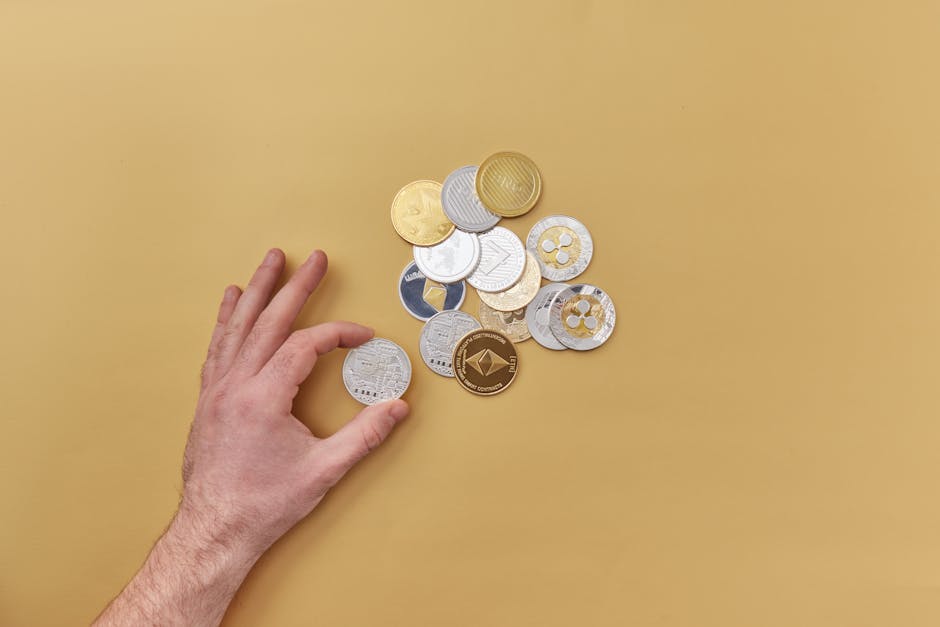
What Are Altcoins?
Altcoins, short for “alternative coins,” represent any cryptocurrency other than Bitcoin. These digital assets emerged as developers sought to improve upon Bitcoin’s limitations or create entirely new blockchain-based solutions. While Bitcoin remains the dominant cryptocurrency by market capitalization, altcoins have carved out significant niches in the digital asset ecosystem, offering diverse functionalities ranging from smart contracts to privacy-focused transactions.
The fundamental difference between Bitcoin and altcoins lies in their underlying technology, purpose, and market positioning. Bitcoin operates as a peer-to-peer electronic cash system with a focus on store of value and medium of exchange. Altcoins, however, often serve specialized purposes such as facilitating decentralized applications, enabling faster transaction processing, or providing enhanced privacy features. Popular altcoins include Ethereum, which introduced smart contract functionality, and Litecoin, designed for faster transaction confirmation times.
Major altcoins by market capitalization include Ethereum, Binance Coin, XRP, Cardano, and Solana. These cryptocurrencies have established themselves as legitimate alternatives to Bitcoin, each offering unique value propositions. Ethereum dominates the altcoin space with its robust smart contract platform, while other altcoins focus on specific use cases like cross-border payments, decentralized finance protocols, or blockchain scalability solutions.
Altcoin Market Capitalization and Liquidity
Market capitalization plays a crucial role in determining altcoin volatility patterns. Smaller market cap altcoins typically experience more dramatic price swings due to lower trading volumes and reduced market depth. When large buy or sell orders enter the market, they can significantly impact prices in low-cap altcoins, creating opportunities for substantial gains but also exposing investors to considerable downside risk.
Liquidity directly affects how easily altcoins can be bought or sold without causing significant price movements. High-liquidity altcoins like Ethereum and Binance Coin maintain relatively stable bid-ask spreads and can absorb larger trading volumes without extreme price fluctuations. Conversely, low-liquidity altcoins may experience wide spreads and slippage, making it challenging for investors to execute trades at desired prices.
Comparing market caps and liquidity across top altcoins reveals distinct trading characteristics. Ethereum, with its substantial market cap and high daily trading volume, offers more predictable price movements compared to smaller altcoins. Mid-cap altcoins often present a balance between growth potential and liquidity, while micro-cap altcoins can deliver explosive returns but carry significantly higher volatility risks that require careful position sizing and risk management strategies.
Factors Influencing Altcoin Volatility
Hype cycles represent one of the most significant drivers of altcoin price volatility. Social media trends, celebrity endorsements, and viral marketing campaigns can rapidly inflate altcoin prices beyond their fundamental value. These speculative bubbles often burst just as quickly as they form, leaving investors who bought at peak prices with substantial losses. Understanding hype cycle patterns helps investors identify potentially overvalued altcoins and avoid FOMO-driven investment decisions.
Regulatory news creates immediate and often dramatic impacts on altcoin markets. Positive regulatory developments, such as government approval of cryptocurrency exchanges or favorable legislation, can trigger significant price rallies across multiple altcoins. Conversely, regulatory crackdowns, exchange bans, or unfavorable policy announcements can cause widespread selling pressure and market downturns that affect the entire altcoin ecosystem.
Bitcoin’s price movements heavily influence altcoin performance through a phenomenon known as correlation trading. When Bitcoin experiences major price movements, altcoins typically follow similar directional patterns, though often with amplified volatility. This correlation occurs because Bitcoin serves as the primary trading pair for many altcoins and acts as a market sentiment indicator for the broader cryptocurrency space. During Bitcoin bull runs, altcoins often outperform, while Bitcoin bear markets typically result in more severe altcoin price declines.
Navigating Altcoin Volatility
Effective risk management strategies are essential for navigating altcoin volatility successfully. Position sizing represents the most fundamental risk management technique, where investors allocate only a small percentage of their portfolio to high-risk altcoin investments. Stop-loss orders can help limit downside exposure by automatically selling positions when prices fall below predetermined levels, though investors must account for potential slippage in volatile markets.
Diversification across multiple altcoins and asset classes helps reduce portfolio risk by spreading exposure across different projects, sectors, and market cycles. Rather than concentrating investments in a single altcoin, successful investors typically maintain positions across various categories such as smart contract platforms, decentralized finance tokens, and utility coins. This approach helps mitigate the impact of individual project failures or sector-specific downturns.
Technical analysis provides valuable tools for making informed altcoin investment decisions. Chart patterns, support and resistance levels, and momentum indicators can help identify optimal entry and exit points. However, investors must recognize that technical analysis works best when combined with fundamental research and proper risk management, as altcoin markets can experience sudden shifts that invalidate technical signals.
Altcoin Investment Strategies
Fundamental analysis focuses on evaluating altcoin projects based on their underlying technology, team expertise, market adoption, and competitive positioning. This approach involves researching project whitepapers, analyzing tokenomics, assessing partnership announcements, and monitoring development progress. Fundamental analysis helps identify altcoins with strong long-term potential but may not predict short-term price movements accurately.
Technical analysis emphasizes price charts, trading volumes, and market indicators to predict future price movements. Day traders and short-term investors often rely heavily on technical analysis to identify entry and exit points for altcoin positions. While technical analysis can be effective for timing trades, it requires significant time investment and market expertise to implement successfully.
Long-term investment strategies involve holding altcoins for extended periods, typically months or years, based on conviction in the underlying project’s potential. This approach requires patience and strong risk tolerance but can generate substantial returns for investors who identify successful projects early. Short-term strategies focus on capitalizing on price volatility through active trading, requiring more time commitment and market monitoring but potentially offering more frequent profit opportunities.
Case Studies: Successful Altcoin Investments
Ethereum represents one of the most successful altcoin investments in cryptocurrency history. Early investors who recognized Ethereum’s smart contract potential and held through multiple market cycles achieved extraordinary returns. The key factors contributing to Ethereum’s success included innovative technology, strong developer adoption, and the emergence of decentralized finance applications built on its platform.
Chainlink’s rise from obscurity to a top-tier altcoin demonstrates the importance of solving real-world problems. The project’s oracle technology addressed a critical need in the blockchain ecosystem by connecting smart contracts with external data sources. Investors who identified this fundamental value proposition early and maintained positions through volatility were rewarded with significant gains as adoption increased.
Successful altcoin investors typically share common characteristics including thorough research habits, patience during market downturns, and disciplined risk management. They focus on projects with strong fundamentals rather than chasing short-term price movements, maintain diversified portfolios, and avoid emotional decision-making during periods of extreme volatility. These investors also stay informed about industry developments and adapt their strategies as market conditions evolve.
Common Mistakes in Altcoin Investing
FOMO-driven investment decisions represent one of the most costly mistakes in altcoin investing. When investors see rapid price increases and fear missing out on potential gains, they often buy at or near peak prices without conducting proper research. This emotional response frequently results in significant losses when hype-driven price bubbles inevitably burst and prices return to more reasonable levels.
Inadequate due diligence leads many investors to support projects with weak fundamentals, inexperienced teams, or unrealistic promises. Failing to research project whitepapers, verify team credentials, or understand tokenomics can result in investments in scam projects or fundamentally flawed altcoins. Thorough research requires time and effort but is essential for identifying legitimate investment opportunities.
Neglecting risk management and diversification exposes investors to unnecessary losses when individual altcoins fail or market conditions deteriorate. Concentrating too much capital in single positions, failing to set stop-losses, or ignoring portfolio allocation principles can amplify losses during market downturns. Successful altcoin investing requires disciplined risk management practices that protect capital while allowing for growth potential.
Future Outlook for Altcoins
Technological advancements continue to drive altcoin innovation and adoption. Layer-2 scaling solutions, interoperability protocols, and improved consensus mechanisms are addressing current blockchain limitations and creating new use cases for altcoins. These developments suggest continued growth potential for projects that successfully implement meaningful technological improvements.
Institutional adoption of altcoins is gradually increasing as traditional financial institutions recognize the potential of blockchain technology beyond Bitcoin. Corporate treasury allocations, institutional trading platforms, and regulatory clarity are creating more stable demand sources for established altcoins. This institutional interest may reduce volatility over time while supporting long-term price appreciation for quality projects.
The future altcoin landscape will likely feature increased consolidation as successful projects gain market share while weaker competitors fade away. Regulatory frameworks will continue evolving, potentially creating clearer guidelines for altcoin operations and investments. Investors should expect continued volatility in the near term but may see more stable growth patterns as the market matures and institutional participation increases.
Risk Disclaimer
Altcoin investments carry substantial risks including extreme price volatility, potential total loss of capital, regulatory uncertainty, and market manipulation. Cryptocurrency markets operate 24/7 without circuit breakers or trading halts, allowing for rapid and significant price movements that can result in substantial losses. The information provided in this analysis is for educational purposes only and should not be considered personalized financial or investment advice.
Past performance of altcoins does not guarantee future results, and investors should never invest more than they can afford to lose completely. The cryptocurrency market remains largely unregulated in many jurisdictions, providing limited investor protections compared to traditional financial markets. Before making any altcoin investments, individuals should conduct their own research, consider their risk tolerance, and consult with qualified financial advisors.
Frequently Asked Questions (FAQ)
What are the main risks associated with investing in altcoins?
Altcoin investments carry multiple significant risks including extreme price volatility that can result in rapid and substantial losses, liquidity risk where investors may struggle to sell positions at desired prices, regulatory uncertainty that can impact market access and legal status, technology risk from bugs or security vulnerabilities, and market manipulation due to lower market caps and trading volumes compared to traditional assets.
How can investors effectively manage the risks of altcoin investments?
Effective altcoin risk management involves diversifying across multiple projects and asset classes to reduce concentration risk, implementing proper position sizing by allocating only small percentages of total portfolio to high-risk altcoins, conducting thorough due diligence on projects before investing, using stop-loss orders to limit downside exposure, and maintaining emergency funds separate from cryptocurrency investments to avoid forced selling during market downturns.
What is the future outlook for altcoins in the cryptocurrency market?
The altcoin market outlook suggests continued growth driven by technological innovations, increasing institutional adoption, and expanding real-world use cases, though significant volatility will likely persist in the near term. Successful projects with strong fundamentals and practical applications may see reduced volatility over time as markets mature, while weaker projects may face consolidation or elimination. Regulatory clarity and institutional infrastructure development should support long-term market stability and growth.
How do altcoins differ from Bitcoin in terms of investment characteristics?
Altcoins typically exhibit higher volatility than Bitcoin due to smaller market capitalizations and lower liquidity, offer more diverse use cases and technological features beyond simple value transfer, carry higher risk-reward profiles with potential for greater gains but also more severe losses, and often demonstrate stronger correlation with technology adoption cycles and specific sector developments rather than purely monetary or store-of-value narratives that drive Bitcoin investment thesis.
Explore more altcoin guides on our site.
Charting & Exchange Resources
| Platform | Use Case | Key Feature | Fee Model | Action |
|---|---|---|---|---|
| TradingView | Charting & technical analysis | Indicators, multi-timeframe charts | Free / Pro tiers | View Platform |
| Coinbase | Exchange (beginner-friendly) | Simple USD on-ramp, educational tools | Varies by region | View Platform |
| Binance | Exchange (advanced pairs) | Wide altcoin coverage, spot markets | Varies by region | View Platform |
Affiliate Disclosure: This post contains affiliate links. We may earn a commission if you buy through our links, at no extra cost to you. Investment Risk Disclaimer: Cryptocurrency and digital asset markets are highly volatile. This content is for informational and educational purposes only and is not financial, investment, or trading advice. You may lose some or all of your capital. Do your own research and consult a licensed financial advisor before making investment decisions.
Leave a Reply