Meme Coin Risks and Volatility Explained for US Investors
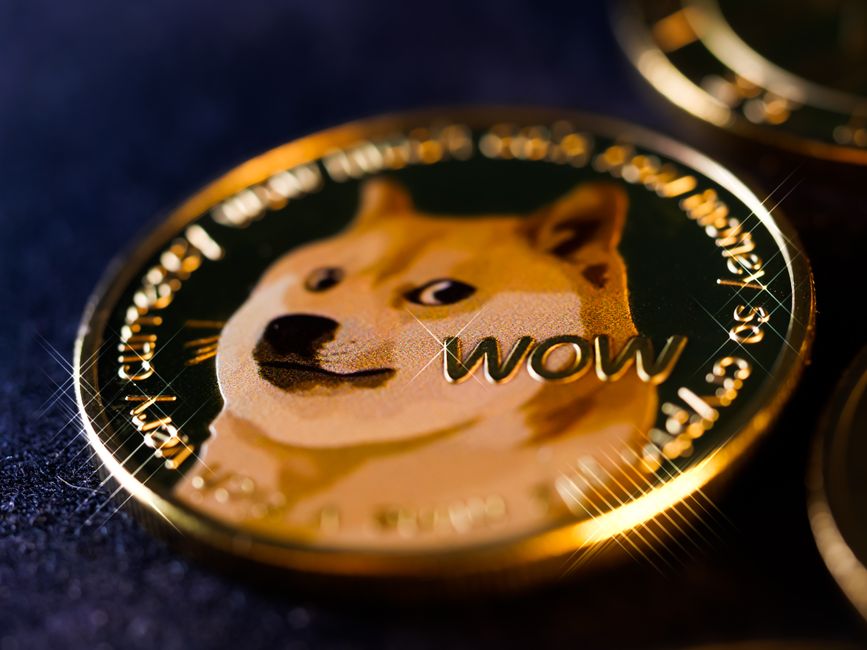
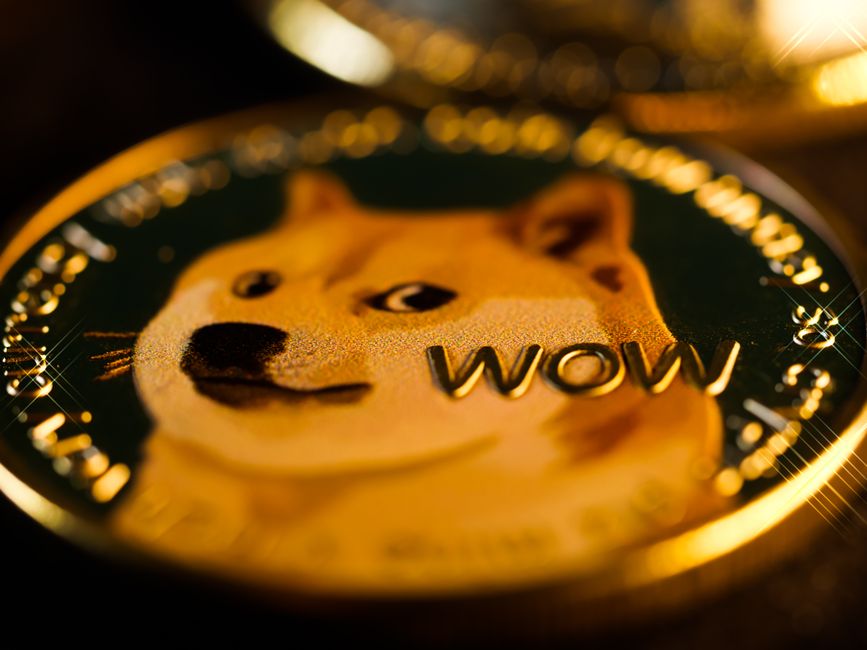
Meme coins are a class of cryptocurrency rooted in internet culture, viral social media moments, and online jokes rather than a specific technological innovation or utility. The most recognizable examples — **Dogecoin (DOGE)** and **Shiba Inu (SHIB)** — began as parodies yet grew into assets worth billions at peak valuations. Their explosive popularity has made “meme coin risks and volatility explained” one of the most-searched crypto topics among US investors seeking clarity before allocating capital.
Unlike **Bitcoin (BTC)** or **Ethereum (ETH)**, which have defined technical roadmaps and real-world utility, meme coins typically lack fundamental value drivers. Their price action is overwhelmingly driven by community hype, celebrity endorsements, and social media momentum rather than on-chain adoption or revenue. This makes them uniquely unpredictable — and uniquely dangerous — for retail investors who may not fully understand the asset class they are entering.
The controversy surrounding meme coins within the broader crypto community stems from this disconnect. Serious blockchain developers and institutional analysts often argue that meme coins divert capital and attention from projects with genuine technological merit, while critics point to the very real losses millions of US retail investors suffered during the 2021–2022 meme coin cycle.
For those tracking trending cryptos from a risk-aware perspective, understanding the structural differences between meme coins and established digital assets is the essential first step.
—
Understanding the Extreme Volatility of Meme Coins
Meme coin markets are dramatically more volatile than **blue-chip cryptocurrencies** — a term borrowed from equities to describe established, high-market-cap assets like BTC and ETH. While Bitcoin might move 5–10% in a single day during turbulent conditions, meme coins routinely post intraday swings of 30%, 50%, or even 90% in either direction.
Several factors amplify these swings. **Thin liquidity** — low trading volume relative to market capitalization — means that even modest buy or sell orders can move the price significantly. **Concentrated token ownership** is also common: when a handful of early wallets hold large percentages of the total supply, coordinated selling can collapse prices within minutes. Additionally, **sentiment cycles** tied to tweets, Reddit posts, or influencer videos can create pump-and-dump dynamics with virtually no warning.
Concrete data reinforces the pattern. DOGE surged more than 12,000% between January and May 2021, largely fueled by high-profile social media posts and retail speculation. It then declined roughly 90% from its all-time high over the following 18 months. SHIB replicated a similar trajectory, minting overnight millionaires in headlines before erasing most of those gains for latecomers who entered near the peak.
—
Core Investment Risks Every US Investor Must Know

Investing in meme coins carries a distinct risk profile that US investors must fully understand before allocating any capital. The primary risks include:
- **Total loss of principal**: Unlike FDIC-insured savings accounts, crypto holdings — and meme coins especially — carry zero downside protection from any government or institutional backstop.
- **Pump-and-dump schemes**: Coordinated groups artificially inflate prices before selling, leaving later buyers holding tokens worth a fraction of their purchase price.
- **Rug pulls**: Developers of newer meme coins sometimes abandon projects after raising funds, draining liquidity pools entirely and leaving retail investors with worthless tokens.
- **No fundamental anchor**: There is no earnings report, balance sheet, or cash flow to support valuation — only narrative and social sentiment.
Diversification is the primary risk-management tool available to retail investors. Financial professionals generally recommend limiting speculative, high-risk allocations to a small percentage of a total portfolio — often cited as a 5% rule for high-risk allocations, though this is a guideline, not a guarantee. The core principle: never invest more than you can afford to lose entirely, and that principle applies with particular urgency to meme coins.
—
Analyzing Market Trends and Technical Patterns
Despite their chaotic reputation, meme coin markets do exhibit identifiable patterns — though past performance is never a reliable predictor of future results. **Technical analysis (TA)** — the practice of using price charts, volume data, and statistical indicators to identify potential trends — is widely used by crypto traders, including those focused on meme coins.
Common TA tools applied to meme coin charts include:
- **RSI (Relative Strength Index)**: Measures momentum; readings above 70 suggest overbought conditions, while below 30 suggest oversold.
- **Moving averages (MA)**: The 50-day and 200-day MAs help identify broader trend direction over time.
- **Volume analysis**: Unusual spikes in trading volume often precede significant price moves.
- **Support and resistance levels**: Price zones where buying or selling pressure has historically concentrated.
Meme coin bull cycles frequently correlate with broader crypto bull markets. When Bitcoin rallies, speculative capital often flows into higher-risk altcoins and meme coins. Identifying these macro cycles using **on-chain data platforms** like Glassnode or CoinGlass can provide useful context — but no indicator removes risk entirely, and no chart pattern guarantees future price movement.
—
The US Regulatory Landscape for Meme Coins
The US regulatory environment for cryptocurrencies — including meme coins — has remained in active flux. Both the **SEC (Securities and Exchange Commission)** and the **CFTC (Commodity Futures Trading Commission)** have asserted jurisdictional interest over different categories of digital assets, creating legal uncertainty for investors and issuers alike.
Key regulatory considerations for US meme coin investors include:
- **Securities classification risk**: If the SEC determines a meme coin was marketed and sold as an investment contract, it may be classified as an unregistered security, exposing issuers and potentially compliant exchanges to enforcement action.
- **Exchange compliance**: US-licensed exchanges must comply with **AML (Anti-Money Laundering)** and **KYC (Know Your Customer)** rules. Some meme coins have been delisted from regulated exchanges due to regulatory pressure.
- **State-level money transmission laws**: These vary significantly and can affect how certain crypto transactions are treated legally across state lines.
Regulation directly impacts meme coin volatility. An SEC enforcement announcement or congressional hearing on crypto can trigger double-digit price drops within hours. Staying informed via official **FinCEN (Financial Crimes Enforcement Network)** and SEC publications is advisable for any US investor holding or considering meme coin positions.
—
Practical Steps for Safer Meme Coin Participation
For US investors who choose to engage with meme coins after fully understanding the risks, the mechanics of safer participation matter. Selecting a **regulated, US-compliant cryptocurrency exchange** is the critical first step. Platforms registered with **FinCEN** and operating under state money transmission licenses offer greater consumer protection than offshore or unregulated alternatives.
| Exchange Feature | What to Look For |
|---|---|
| Regulatory status | FinCEN-registered, state-licensed |
| Insurance and reserves | Proof-of-reserves audit |
| Supported meme coins | DOGE, SHIB availability |
| Fee structure | Trading and withdrawal fees clearly disclosed |
| Security features | 2FA, cold storage, withdrawal whitelist |
For storage, **hardware wallets** — physical devices that store private keys offline — are widely considered the most secure option for significant holdings. Software wallets and exchange-held accounts carry custodial risk: if the platform is hacked or becomes insolvent, holdings may be lost with limited recourse.
Tax implications are frequently underestimated by US investors. The **IRS (Internal Revenue Service)** classifies cryptocurrency as property. Every taxable event — including crypto-to-crypto trades, not just USD conversions — triggers a potential capital gains obligation. US investors should consult a **CPA (Certified Public Accountant)** with cryptocurrency experience and consider using dedicated crypto tax software to track cost basis accurately across all transactions.
—
Realistic Outcomes: Success Stories and Cautionary Tales
The success stories from the 2021 meme coin cycle are real, but they represent a small fraction of total participants. Early DOGE buyers who purchased in 2019 at fractions of a cent and sold near the May 2021 peak realized extraordinary returns — in documented cases, turning a few hundred dollars into six figures. These outcomes are genuine, but they reflect exceptional timing and luck as much as any investment skill.
The cautionary tales are far more common and less publicized. Many retail investors entered SHIB and DOGE at or near all-time highs in 2021, drawn by media coverage of overnight millionaires. The subsequent 80–90% drawdowns left a substantial portion of those investors with significant unrealized losses. Many held through the decline hoping for a recovery that did not materialize within their holding period.
Key lessons from both outcomes:
- **Entry timing is critical** and nearly impossible to predict reliably even for experienced traders.
- **Exit strategy must be defined before entry** — emotional decision-making during a rally or crash is the primary driver of poor outcomes.
- **Position sizing matters more than asset selection** — even a successful meme coin trade can be financially destructive if the position was oversized relative to total portfolio size.
- **Survivorship bias distorts perception** — you hear about the winners; the majority who lost rarely publish their results.
—
Risk Disclaimer
**Important:** Cryptocurrency investments, including meme coins, are highly speculative and carry a substantial risk of loss up to and including total loss of principal. This article is for **educational and informational purposes only** and does not constitute financial, investment, tax, or legal advice. Past performance of any cryptocurrency is not indicative of future results. US investors should consult qualified financial and tax professionals before making any investment decisions. Market conditions can change rapidly and without warning.
—
Frequently Asked Questions (FAQ)
Q: Are meme coins a good investment for risk-averse investors?
A: No. Meme coins are among the highest-risk assets in any investment category. They are suitable only for investors who fully understand the risks and can afford to lose their entire allocation. Risk-averse investors should consider more established asset classes such as blue-chip cryptocurrencies, index funds, or treasury securities.
Q: How can I identify a promising new meme coin before it pumps?
A: There is no reliable method, and most new meme coins fail or are outright scams. Red flags include anonymous development teams, unaudited smart contracts, locked liquidity for short periods only, and aggressive influencer promotion without verifiable fundamentals. Due diligence steps include reviewing the token’s smart contract audit (if any), checking wallet concentration on blockchain explorers such as Etherscan, and researching whether the founding team has a verifiable professional history.
Q: What is the future outlook for meme coins in the US cryptocurrency market?
A: Analysts remain divided. Meme coins with large, sustained communities — such as DOGE — have demonstrated staying power across multiple market cycles. However, the vast majority of newly launched meme coins fail within months. Regulatory clarity from the SEC and CFTC will likely be the most significant factor shaping the meme coin market over the next two to three years. Investors should monitor official regulatory announcements and resist making allocation decisions based solely on social media excitement.
Charting & Exchange Resources
| Platform | Use Case | Key Feature | Fee Model | Action |
|---|---|---|---|---|
| TradingView | Charting & technical analysis | Indicators, multi-timeframe charts | Free / Pro tiers | View Platform |
| Coinbase | Exchange (beginner-friendly) | Simple USD on-ramp, educational tools | Varies by region | View Platform |
| Binance | Exchange (advanced pairs) | Wide altcoin coverage, spot markets | Varies by region | View Platform |
Affiliate Disclosure: This post contains affiliate links. We may earn a commission if you buy through our links, at no extra cost to you. Investment Risk Disclaimer: Cryptocurrency and digital asset markets are highly volatile. This content is for informational and educational purposes only and is not financial, investment, or trading advice. You may lose some or all of your capital. Do your own research and consult a licensed financial advisor before making investment decisions.
Leave a Reply