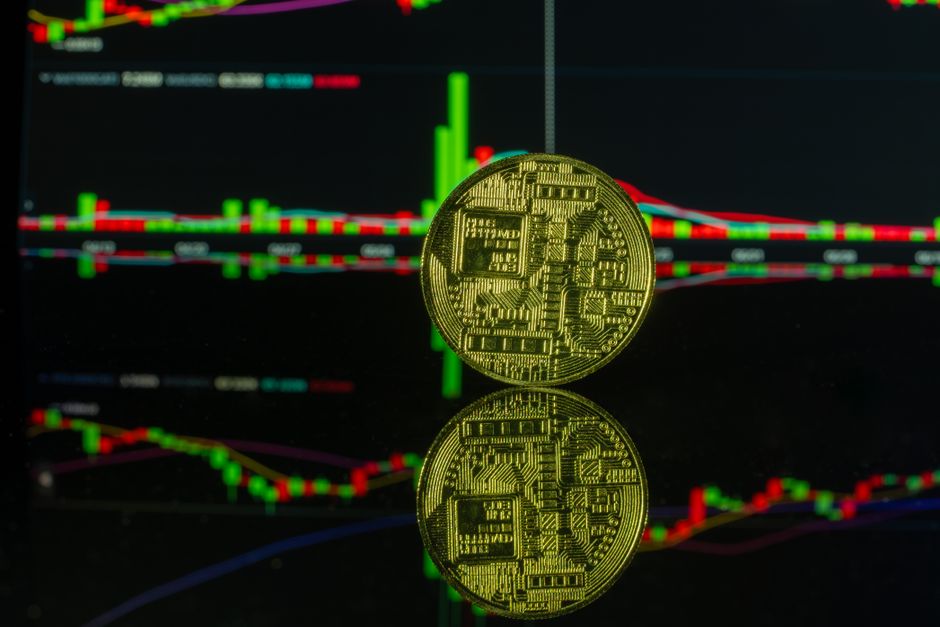
Crypto Market Overview

The cryptocurrency market continues to experience significant volatility in 2024, with digital assets responding to macroeconomic factors, regulatory developments, and technological innovations. **Bitcoin (BTC)** and **Ethereum (ETH)** remain the dominant forces, but emerging altcoins are capturing investor attention with innovative use cases and strong community support. Understanding current market trends is essential for anyone considering cryptocurrency investments.
Market capitalization across all cryptocurrencies fluctuates daily, influenced by institutional adoption, regulatory news, and broader financial market sentiment. The total crypto market cap has shown resilience despite periodic corrections, with certain sectors like decentralized finance (DeFi) and layer-2 scaling solutions gaining momentum. However, investors must recognize that **crypto markets operate 24/7** and can experience dramatic price swings within hours.
**Key risks** include regulatory uncertainty, technological vulnerabilities, market manipulation, and the potential for total loss of investment. The crypto space remains largely unregulated in many jurisdictions, and investor protections are limited compared to traditional securities markets. Anyone exploring trending cryptocurrencies should only invest capital they can afford to lose entirely.
Bitcoin (BTC) Analysis
Bitcoin remains the largest cryptocurrency by market capitalization and serves as the primary store of value in the digital asset ecosystem. As the first successful implementation of blockchain technology, Bitcoin has established itself as “digital gold” among institutional and retail investors alike. Its **fixed supply of 21 million coins** creates scarcity that many investors find attractive during inflationary periods.
Bitcoin’s price performance in 2024 reflects ongoing debates about its role as an inflation hedge versus its correlation with traditional risk assets. The approval of spot Bitcoin exchange-traded funds (ETFs) in the United States has increased accessibility for traditional investors, potentially driving demand. Technical analysts monitor key support and resistance levels, on-chain metrics like wallet activity, and mining difficulty adjustments to gauge market sentiment.
However, Bitcoin carries substantial investment risks. Its **energy-intensive proof-of-work consensus mechanism** faces environmental criticism, and regulatory crackdowns in various countries create ongoing uncertainty. Price volatility remains extreme compared to traditional assets, with double-digit percentage moves occurring regularly. Bitcoin’s scalability limitations and relatively slow transaction speeds compared to newer blockchains also present technical challenges.
Ethereum (ETH) Analysis
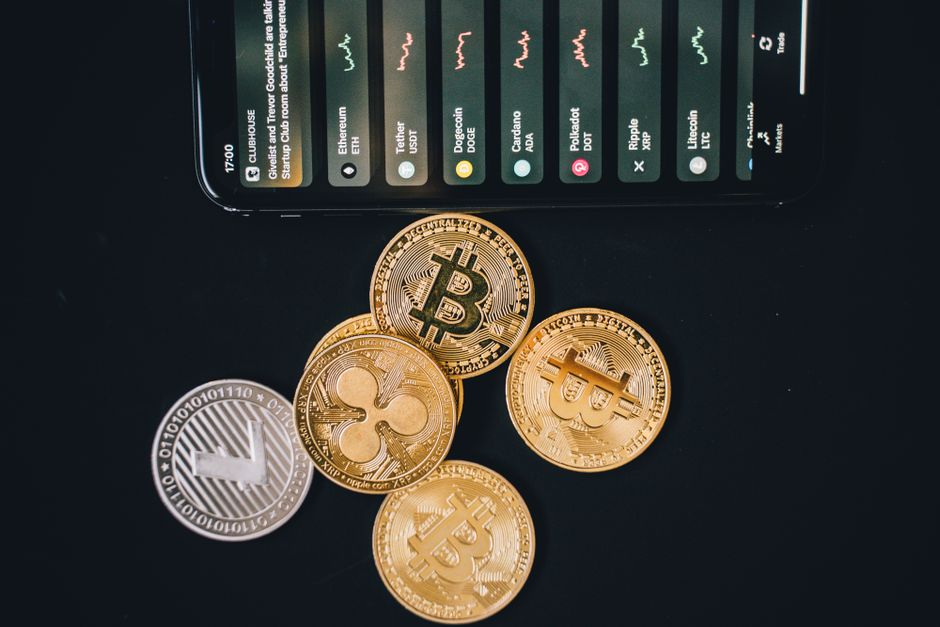
Ethereum operates as the leading smart contract platform, enabling decentralized applications (dApps), non-fungible tokens (NFTs), and DeFi protocols. The network’s transition to **proof-of-stake consensus** through “The Merge” in 2022 dramatically reduced its energy consumption and changed its tokenomics. Ethereum’s vast developer ecosystem and first-mover advantage in programmable blockchains make it a cornerstone holding for many crypto portfolios.
Ethereum’s market performance often correlates with activity in the broader DeFi and NFT sectors. The network processes billions of dollars in daily transaction volume, with gas fees (transaction costs) serving as a key metric for demand. Layer-2 scaling solutions like Arbitrum and Optimism are addressing Ethereum’s congestion issues, potentially enhancing its long-term competitiveness against faster alternative blockchains.
**Investment risks for Ethereum** include competition from newer smart contract platforms like Solana and Avalanche, ongoing scalability challenges despite layer-2 solutions, and regulatory scrutiny about whether ETH should be classified as a security. The complexity of Ethereum’s roadmap and frequent protocol upgrades also introduce technical risks. Investors should understand that Ethereum’s value proposition extends beyond simple value transfer to platform utility, making its valuation more complex than Bitcoin’s.
Altcoins to Watch
Beyond Bitcoin and Ethereum, numerous alternative cryptocurrencies (altcoins) have gained traction by addressing specific use cases or improving upon existing blockchain limitations. **Solana (SOL)** offers high transaction throughput and low fees, attracting DeFi and NFT projects despite past network outages. **Cardano (ADA)** emphasizes peer-reviewed research and formal verification in its development approach, appealing to investors seeking methodical blockchain evolution.
**Polkadot (DOT)** focuses on blockchain interoperability through its parachain architecture, while **Chainlink (LINK)** provides essential oracle services connecting smart contracts to real-world data. Newer entrants like **Avalanche (AVAX)** and **Polygon (MATIC)** compete for Ethereum-compatible scaling solutions. Each altcoin presents unique technological approaches and market positioning that may appeal to different investment theses.
Altcoin investments carry **significantly higher risks** than Bitcoin or Ethereum. Smaller market capitalizations mean greater price volatility and liquidity concerns. Many altcoins lack proven track records, face uncertain regulatory treatment, and compete in crowded markets where technological superiority doesn’t guarantee market success. The majority of altcoins from previous market cycles have lost substantial value or disappeared entirely. Investors should conduct thorough due diligence on project fundamentals, team credentials, tokenomics, and competitive positioning before allocating capital to any altcoin.
Decentralized Finance (DeFi) Trends
Decentralized Finance represents a paradigm shift in financial services, using smart contracts to recreate traditional banking functions without centralized intermediaries. **DeFi protocols** enable lending, borrowing, trading, and yield generation through automated code rather than human-managed institutions. Total value locked (TVL) in DeFi protocols serves as a key metric for sector growth, though it fluctuates with underlying crypto prices.
Top-performing DeFi projects include decentralized exchanges (DEXs) like Uniswap, lending protocols like Aave and Compound, and liquid staking derivatives that allow users to earn yields on staked assets. Cross-chain bridges and aggregators are improving capital efficiency across different blockchains. The DeFi sector continues innovating with real-world asset tokenization, undercollateralized lending experiments, and sophisticated derivatives markets.
**DeFi investments present unique risks** beyond standard crypto volatility. Smart contract bugs and exploits have resulted in hundreds of millions of dollars in losses, with limited recourse for affected users. Regulatory uncertainty threatens certain DeFi business models, particularly those resembling traditional securities offerings. Impermanent loss affects liquidity providers, oracle failures can trigger cascading liquidations, and governance token values often correlate poorly with protocol success. The pseudonymous nature of many DeFi teams and lack of investor protections make due diligence challenging. Only sophisticated users who understand these technical and financial risks should participate in DeFi protocols.
Cryptocurrency Trading Platforms
Selecting a cryptocurrency exchange requires balancing factors like security, fees, available assets, regulatory compliance, and user experience. **Centralized exchanges (CEXs)** like Coinbase, Kraken, and Gemini offer user-friendly interfaces, fiat currency on-ramps, and regulatory compliance for U.S. customers. These platforms hold custody of user funds, providing convenience at the expense of control and introducing counterparty risk.
**Decentralized exchanges (DEXs)** like Uniswap, PancakeSwap, and dYdX allow users to trade directly from their wallets without relinquishing asset custody. DEXs typically offer access to newer tokens unavailable on regulated platforms but require users to manage their own security and private keys. Trading fees, liquidity depth, supported blockchain networks, and available trading pairs vary significantly across platforms.
| Platform Type | Custody | Regulatory Status | Typical Fees | Best For |
|---|---|---|---|---|
| Centralized Exchanges | Platform holds funds | Regulated in most jurisdictions | 0.1-0.5% per trade | Beginners, fiat conversions |
| Decentralized Exchanges | User controls funds | Minimal regulation | 0.3-1% per swap | Experienced users, new tokens |
| Peer-to-Peer Platforms | Escrow during trade | Varies by jurisdiction | 1-2% per trade | Privacy-focused users |
**Platform risks** include exchange hacks, insolvency, regulatory shutdowns, and withdrawal restrictions during high volatility. The collapse of FTX in 2022 demonstrated that even large, seemingly reputable exchanges can fail catastrophically. Users should enable two-factor authentication, avoid storing large amounts on exchanges, and verify platform insurance and security practices. U.S. users should prioritize exchanges registered with FinCEN and compliant with state money transmitter licenses.
Cryptocurrency Investment Strategies
Successful cryptocurrency investing requires clear strategies adapted to individual risk tolerance, time horizons, and financial goals. **Dollar-cost averaging (DCA)** involves purchasing fixed dollar amounts at regular intervals, reducing the impact of short-term volatility and removing emotional timing decisions. This approach works well for long-term believers in crypto adoption who want to build positions gradually without trying to predict market bottoms.
**Portfolio diversification** across different cryptocurrency categories—large-cap coins, DeFi tokens, layer-1 platforms, and specialized use cases—can reduce concentration risk. However, diversification within crypto provides less protection than traditional asset diversification since most cryptocurrencies remain highly correlated during market downturns. Many investors allocate only 1-5% of their total investment portfolio to cryptocurrencies given the asset class’s volatility and speculative nature.
**Risk management techniques** include setting stop-loss orders, taking profits at predetermined price targets, and rebalancing portfolios when allocations drift from targets. Long-term investors (“HODLers”) typically ignore short-term volatility and focus on fundamental adoption trends, while active traders attempt to profit from price swings using technical analysis. Tax-loss harvesting can offset gains by strategically realizing losses, though investors must be aware of wash-sale rule considerations.
Cryptocurrency investing should never involve borrowed money, emergency funds, or capital needed for near-term expenses. The possibility of complete loss is real, and past performance provides no guarantee of future results. Investors should continuously educate themselves about evolving technology, regulations, and market dynamics rather than relying on social media hype or celebrity endorsements.
Cryptocurrency Tax and Regulation
The U.S. Internal Revenue Service (IRS) treats cryptocurrencies as property for tax purposes, meaning every sale, trade, or use of crypto triggers a taxable event. **Capital gains taxes** apply when selling cryptocurrency for more than the purchase price, with rates depending on holding period. Short-term gains (assets held less than one year) are taxed as ordinary income at rates up to 37%, while long-term gains receive preferential rates of 0%, 15%, or 20% based on total income.
Cryptocurrency investors must track the **cost basis** of every acquisition and calculate gains or losses for each disposal. Trading one cryptocurrency for another is a taxable event, not a tax-free exchange. Receiving cryptocurrency through mining, staking rewards, airdrops, or as payment for services creates immediate taxable income at fair market value. The IRS requires taxpayers to answer a cryptocurrency question on Form 1040 and report transactions on Schedule D and Form 8949.
**Regulatory developments** continue evolving rapidly. The Securities and Exchange Commission (SEC) has taken enforcement actions against various cryptocurrency projects, exchanges, and offerings it considers unregistered securities. The Commodity Futures Trading Commission (CFTC) regulates certain crypto derivatives. State-level money transmitter licenses apply to many crypto businesses. Proposed legislation could significantly alter the regulatory landscape, affecting which assets are available to U.S. investors and how they’re taxed.
Compliance requires maintaining detailed transaction records, including dates, amounts, values in USD, and transaction purposes. Cryptocurrency exchanges may not provide complete tax documentation, making third-party tracking tools essential for active traders. Penalties for unreported cryptocurrency income can be substantial, and the IRS has increasingly focused on crypto tax enforcement. Investors should consult qualified tax professionals familiar with cryptocurrency taxation to ensure proper reporting and optimize their tax situations legally.
**Investment Risk Disclaimer**: Cryptocurrency investments carry extreme risk of loss and are suitable only for investors who can afford to lose their entire investment. This article provides educational information only and does not constitute financial, investment, tax, or legal advice. Cryptocurrency markets are highly volatile and largely unregulated. Past performance does not predict future results. Conduct thorough research and consult licensed financial professionals before making investment decisions.
Frequently Asked Questions
Q: What are the risks associated with investing in cryptocurrencies?
A: Cryptocurrency investments face **volatility risk** with prices fluctuating 20-50% or more in short periods, **regulatory risk** as governments worldwide develop unclear and changing rules, **security risk** from hacks targeting exchanges and wallets, **technology risk** from software bugs and network failures, and **liquidity risk** especially with smaller altcoins. Unlike bank deposits, cryptocurrencies lack FDIC insurance or government backing. Total loss of investment is possible through exchange failures, forgotten passwords, technological obsolescence, or regulatory shutdowns. Market manipulation and fraud remain prevalent in less-regulated jurisdictions.
Q: How can I diversify my cryptocurrency portfolio?
**Diversification strategies** include allocating across different cryptocurrency categories: large-cap coins (Bitcoin, Ethereum), smart contract platforms (Solana, Cardano), DeFi protocol tokens, and specialized use cases (oracle networks, interoperability solutions). Consider exposure to different blockchain consensus mechanisms and geographic regulatory environments. However, recognize that most cryptocurrencies remain highly correlated during market downturns, limiting diversification benefits. Most financial advisors recommend cryptocurrency represent only a small percentage (1-5%) of total investment portfolios, with the majority in traditional diversified assets like stocks, bonds, and real estate. Within crypto allocations, Bitcoin and Ethereum typically form core holdings due to their relative liquidity and market dominance.
Q: What are the tax implications of investing in cryptocurrencies?
A: U.S. cryptocurrency investors face **capital gains taxes** on profitable sales, with rates depending on holding period—short-term gains taxed as ordinary income up to 37%, long-term gains at preferential rates up to 20%. Every cryptocurrency trade, sale, or use triggers a taxable event requiring basis tracking and gain/loss calculation. Receiving crypto through mining, staking, or airdrops creates immediate ordinary income at fair market value. Investors must report all transactions on tax returns regardless of whether they received 1099 forms from exchanges. Tax-loss harvesting can offset gains by selling losing positions, though investors should maintain detailed records of all transactions including dates, amounts, and USD values. Failure to report cryptocurrency income can result in penalties, interest, and potential criminal charges for tax evasion.
Explore more trending cryptos guides on our site.
Charting & Exchange Resources
| Platform | Use Case | Key Feature | Fee Model | Action |
|---|---|---|---|---|
| TradingView | Charting & technical analysis | Indicators, multi-timeframe charts | Free / Pro tiers | View Platform |
| Coinbase | Exchange (beginner-friendly) | Simple USD on-ramp, educational tools | Varies by region | View Platform |
| Binance | Exchange (advanced pairs) | Wide altcoin coverage, spot markets | Varies by region | View Platform |
Affiliate Disclosure: This post contains affiliate links. We may earn a commission if you buy through our links, at no extra cost to you. Investment Risk Disclaimer: Cryptocurrency and digital asset markets are highly volatile. This content is for informational and educational purposes only and is not financial, investment, or trading advice. You may lose some or all of your capital. Do your own research and consult a licensed financial advisor before making investment decisions.
Leave a Reply