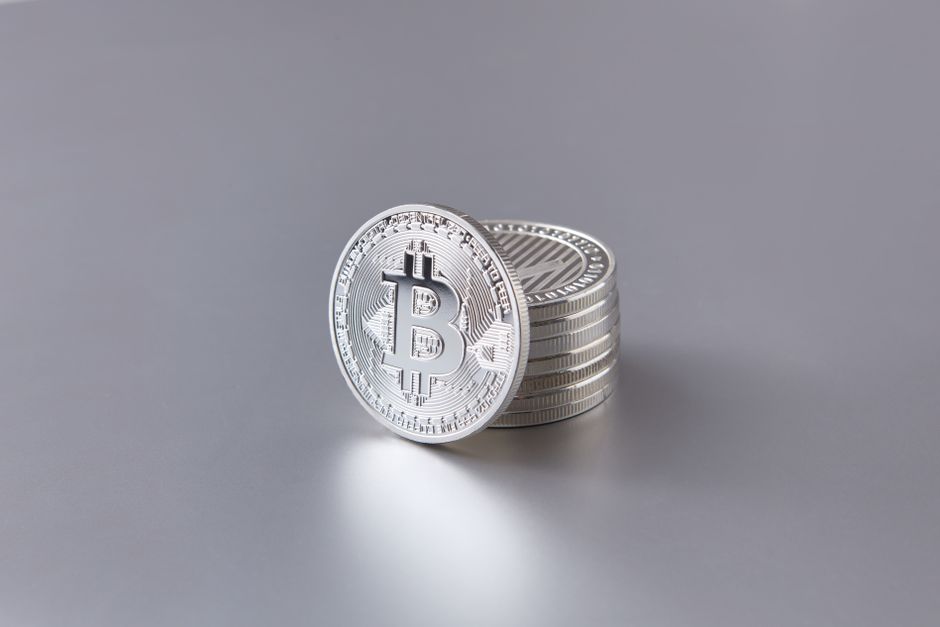
Market Overview

The cryptocurrency market in 2024 continues to experience significant price swings, with digital assets trading across thousands of exchanges worldwide. **Bitcoin (BTC)** and **Ethereum (ETH)** remain the dominant cryptocurrencies by market capitalization, but newer assets like **Solana (SOL)**, **Cardano (ADA)**, and various meme coins frequently capture trader attention during trending periods. The market’s 24/7 trading nature, combined with global regulatory developments, institutional adoption signals, and technological upgrades, creates constant price movement that can exceed 10-20% in a single day for mid-cap assets.
Several factors drive which cryptocurrencies trend at any given moment. Major exchange listings, protocol upgrades, partnership announcements, and macroeconomic events like Federal Reserve interest rate decisions all influence trader sentiment. Social media platforms, particularly Twitter (X) and Reddit, amplify trending narratives that can create rapid price appreciation followed by equally sharp corrections. Understanding these dynamics helps US investors distinguish between sustainable growth and temporary hype cycles.
The total cryptocurrency market capitalization fluctuates between $1 trillion and $3 trillion depending on market conditions, with Bitcoin typically representing 40-50% of that total value. **Altcoins**—any cryptocurrency other than Bitcoin—often experience amplified volatility compared to BTC, presenting both higher potential returns and substantially greater risk of capital loss.
Understanding Crypto Volatility
**Volatility** in financial markets refers to the degree of price variation over time, typically measured by standard deviation of returns. Cryptocurrency volatility exceeds traditional asset classes by significant margins—while the S&P 500 might experience 15-20% annual volatility, major cryptocurrencies regularly post 60-100% annualized volatility, with smaller-cap tokens often exceeding 200%. This extreme price instability stems from several unique characteristics of crypto markets.
The relatively small market size compared to traditional finance means individual large transactions can move prices dramatically. A single institutional purchase or sale of $100 million can shift a mid-cap cryptocurrency’s price by 5-15%, whereas the same transaction in major stock markets would barely register. **Liquidity**—the ease of buying or selling without affecting price—remains limited outside the top 20-30 cryptocurrencies, making **slippage** (the difference between expected and actual execution price) a significant concern.
Cryptocurrency markets operate continuously without circuit breakers or trading halts that traditional stock exchanges use to prevent panic selling. This 24/7/365 trading environment means prices can gap dramatically overnight while US investors sleep, as Asian and European markets drive price discovery. Additionally, the crypto market attracts highly speculative capital seeking outsized returns, creating feedback loops where rising prices attract momentum traders who amplify moves in both directions.
Regulatory uncertainty adds another volatility layer unique to crypto. Announcements from the **Securities and Exchange Commission (SEC)**, proposed legislation, or enforcement actions can trigger 20-30% price swings within hours. Unlike regulated securities with established legal frameworks, many cryptocurrencies exist in regulatory gray areas, making them particularly sensitive to policy signals.
Measuring Crypto Volatility

Investors can quantify cryptocurrency volatility using several standardized metrics. **Historical volatility** calculates the standard deviation of price returns over a specific period, typically expressed as an annualized percentage. Most crypto data platforms provide 30-day, 90-day, and one-year volatility readings that help investors compare risk profiles across different assets. A cryptocurrency with 80% annualized volatility means its price could reasonably be expected to move up or down 80% from its current level over the next year based on historical patterns.
**Beta** measures how much a specific cryptocurrency moves relative to Bitcoin, which serves as the market benchmark. An altcoin with a beta of 1.5 tends to move 50% more than Bitcoin in the same direction—gaining 15% when BTC gains 10%, but also falling 15% when BTC drops 10%. High-beta assets amplify both gains and losses, making them unsuitable for risk-averse investors.
Several platforms provide real-time volatility data for US investors:
- **CoinGecko** and **CoinMarketCap** display historical price charts with volatility indicators
- **TradingView** offers advanced charting with **Bollinger Bands** and **Average True Range (ATR)** indicators that visualize volatility
- **Glassnode** and **Santiment** provide on-chain analytics including volatility metrics
- Major exchanges like **Coinbase** and **Kraken** include price history and percentage change data
Historical examples illustrate crypto volatility extremes. In March 2020, Bitcoin crashed from $9,000 to $3,800 in 48 hours during the COVID-19 pandemic panic—a 58% decline. Conversely, Bitcoin surged from $10,000 to $64,000 between September 2020 and April 2021—a 540% increase in seven months. Smaller cryptocurrencies experience even wilder swings; **Terra (LUNA)** collapsed from $119 to under $0.01 in May 2022, erasing $40 billion in market value within days.
Common Beginner Mistakes
New cryptocurrency investors frequently make predictable errors that result in significant losses. The most damaging mistake is failing to conduct thorough research before investing—commonly known in the crypto community as **DYOR (Do Your Own Research)**. Many beginners purchase tokens based solely on social media hype, influencer recommendations, or price momentum without understanding the underlying technology, team credentials, tokenomics, or use case. This approach often leads to buying overvalued assets near local price peaks.
**FOMO (Fear of Missing Out)** drives irrational investment decisions when prices are rapidly rising. Seeing others post gains on Twitter or Reddit creates psychological pressure to enter positions without proper analysis. This emotional trading typically results in buying high and panic-selling low when inevitable corrections occur. Professional investors develop disciplined entry strategies and ignore short-term price action that triggers emotional responses.
Lack of a written investment plan represents another critical failure. Successful crypto investing requires predetermined rules for position sizing (how much capital to risk per trade), entry and exit criteria, and portfolio allocation. Without these guidelines, investors make inconsistent decisions based on current emotions rather than rational strategy. A proper investment plan includes specific profit-taking levels, stop-loss thresholds, and rebalancing schedules.
Overconcentration in a single cryptocurrency or related group of tokens exposes portfolios to catastrophic risk. Beginners often allocate 50-100% of their crypto holdings to one trending asset, which can result in total loss if that project fails or gets hacked. Even Bitcoin and Ethereum, the most established cryptocurrencies, carry meaningful risk and should represent only a portion of a diversified portfolio that includes traditional assets.
Managing Crypto Investments
Developing a clear investment strategy before entering the crypto market significantly improves long-term outcomes. US investors should first determine their investment time horizon—whether they’re trading for short-term gains (days to weeks), medium-term positions (months), or long-term holdings (years). This decision influences which cryptocurrencies to consider and how much volatility to tolerate. **Day trading** crypto requires full-time attention, technical analysis skills, and tolerance for extreme stress, making it unsuitable for most people with regular jobs.
**Position sizing**—determining how much capital to allocate per investment—represents the most important risk management tool. Conservative approaches limit any single cryptocurrency to 5-10% of the crypto portfolio, with the crypto portfolio itself representing no more than 5-10% of total investable assets. This ensures that even complete loss of a position won’t devastate overall financial health. Aggressive traders might allocate larger percentages, but should never risk capital needed for essential expenses or emergency funds.
**Diversification** reduces portfolio-specific risk by spreading investments across multiple cryptocurrencies with different use cases, technological approaches, and risk profiles. A balanced crypto portfolio might include:
- **40-50%** in established assets like Bitcoin and Ethereum
- **30-40%** in mid-cap **layer-1** blockchains (Solana, Cardano, Avalanche) or **DeFi** (Decentralized Finance) tokens
- **10-20%** in higher-risk small-cap projects with significant upside potential
- **0-10%** in speculative positions like meme coins
Timing buy and sell decisions requires discipline rather than prediction. **Dollar-cost averaging (DCA)**—investing fixed amounts at regular intervals regardless of price—removes emotional decision-making and provides better average entry prices than attempting to time market bottoms. For selling, predetermined profit targets (e.g., sell 25% at 2x, another 25% at 4x) and stop-losses (sell if price drops 30% from entry) prevent the common mistakes of selling winners too early and holding losers too long.
Navigating Crypto Volatility
Successfully managing cryptocurrency volatility requires both strategic planning and psychological resilience. The most effective approach for most US investors is maintaining a **long-term investment perspective** that spans multiple market cycles (typically 4-year periods aligned with Bitcoin’s halving events). This strategy accepts short-term volatility as the price for potentially capturing multi-year appreciation, similar to how stock market investors tolerate recessions while focusing on decade-long returns.
During market downturns, when prices drop 40-60% from recent highs, emotional discipline becomes critical. History shows that cryptocurrencies have recovered from every previous bear market, but only investors who avoided panic-selling participated in subsequent rallies. Setting up automatic **stop-loss orders**—instructions to sell if price drops to a specified level—can limit losses during crashes, though these orders may trigger prematurely during temporary dips before prices recover.
**Rebalancing** helps manage risk during volatile periods by systematically selling portions of positions that have appreciated significantly and buying assets that have declined. For example, if Bitcoin rallies from 40% to 60% of a portfolio, selling 20% of the Bitcoin position to restore target allocation locks in profits and reduces exposure before potential corrections. Many investors rebalance quarterly or when allocations drift 10%+ from targets.
Protecting investments during market downturns also involves technical measures:
- **Hardware wallets** (Ledger, Trezor) store private keys offline, protecting against exchange hacks
- **Cold storage** keeps the majority of holdings disconnected from the internet
- **Two-factor authentication (2FA)** secures exchange accounts
- **Whitelisting** withdrawal addresses prevents unauthorized transfers
Avoid attempting to trade every volatility swing. **Transaction costs** (trading fees, blockchain gas fees, tax implications) quickly erode profits from frequent trading. Most successful crypto investors make relatively few transactions per year, focusing on strategic accumulation during bear markets and selective profit-taking during euphoric bull market peaks.
Crypto Investing Best Practices
Staying informed about cryptocurrency market developments helps investors anticipate volatility and make better decisions. Reputable US-based information sources include **CoinDesk**, **The Block**, **Decrypt**, and **Bitcoin Magazine** for daily news coverage. Following official project blogs, Twitter accounts, and Discord channels provides direct updates on technological developments, partnership announcements, and protocol changes that might affect prices.
Understanding regulatory developments is particularly important for US investors. The SEC regularly issues enforcement actions against cryptocurrency projects, exchanges, and individuals. Following official SEC releases, congressional hearings on crypto regulation, and legal analysis from crypto-focused law firms helps investors assess regulatory risk. Projects that operate transparently, seek regulatory compliance, and avoid securities law violations generally face lower regulatory risk.
Avoiding scams requires healthy skepticism toward extraordinary return promises. Common cryptocurrency frauds include:
- **Pump-and-dump schemes** where organizers artificially inflate prices before selling
- **Rug pulls** where developers abandon projects after raising funds
- **Phishing attacks** using fake websites to steal wallet credentials
- **Ponzi schemes** promising guaranteed returns from fake trading or staking programs
- **Impersonation scams** where fraudsters pose as customer support or Elon Musk
No legitimate cryptocurrency investment guarantees returns or promises risk-free gains. Any project claiming guaranteed profits should be considered fraudulent. Similarly, unsolicited investment advice via social media direct messages, emails, or text messages almost always represents scam attempts.
Using reputable exchanges is essential for US investors. Major platforms like **Coinbase**, **Kraken**, **Gemini**, and **Binance.US** operate under regulatory oversight, maintain insurance on custodied assets, and provide customer support. Smaller, unregulated exchanges carry significantly higher risk of hacking, insolvency, or fraud. Always verify exchange URLs directly rather than clicking links in emails or messages.
Risk Disclaimer
**Cryptocurrency investments carry substantial risk of loss and may not be suitable for all investors.** The crypto market is highly volatile, largely unregulated, and subject to technological risks including hacking, protocol failures, and loss of access to wallets. This article provides educational information only and does not constitute financial advice, investment recommendations, or endorsement of specific cryptocurrencies. Investors should conduct thorough independent research and consider consulting licensed financial advisors before making investment decisions. Never invest more than you can afford to lose completely. Past performance does not guarantee future results. Cryptocurrency holdings are not insured by the FDIC or SIPC.
Frequently Asked Questions
Q: What is the best way to start investing in cryptocurrencies?
A: Begin by thoroughly researching cryptocurrency fundamentals through reputable educational resources like Coinbase Learn or Binance Academy before investing any money. Open an account with a regulated US exchange such as Coinbase or Kraken, complete identity verification, and set up two-factor authentication. Start with small investments in established cryptocurrencies like Bitcoin or Ethereum (1-5% of your investment portfolio) while you learn how the market operates. Use a hardware wallet for long-term holdings and never invest capital you cannot afford to lose.
Q: How can I protect my crypto investments from market volatility?
A: Diversify your crypto portfolio across multiple assets with different use cases rather than concentrating in one cryptocurrency. Implement dollar-cost averaging by investing fixed amounts regularly rather than timing market entries. Set predetermined profit-taking levels and stop-loss thresholds before entering positions to remove emotional decision-making during volatile periods. Maintain a long-term investment horizon (3-5 years) that allows you to ride through short-term price fluctuations without panic-selling during corrections. Consider limiting cryptocurrency to 5-10% of your total investment portfolio to manage overall risk exposure.
Q: What are the most common mistakes made by beginner crypto investors?
A: New investors frequently fail to conduct adequate research before buying trending cryptocurrencies, instead relying on social media hype or influencer recommendations. Emotional decision-making driven by FOMO causes beginners to buy during price peaks and panic-sell during corrections. Lack of a written investment plan with specific entry, exit, and position-sizing rules leads to inconsistent and usually unprofitable trading decisions. Many beginners also neglect security measures like hardware wallets and two-factor authentication, or fail to diversify beyond one or two cryptocurrencies, exposing themselves to total loss if those projects fail.
Q: How can I stay informed about the latest developments in the crypto market?
A: Follow reputable crypto news outlets like CoinDesk, The Block, and Decrypt for daily market coverage and analysis. Monitor official project channels including blogs, Twitter accounts, and Discord servers for direct updates on technological developments and partnerships. Track regulatory developments through SEC announcements, congressional hearing coverage, and crypto-focused legal analysis. Participate in educational crypto communities on Reddit (r/cryptocurrency, r/bitcoin) and Twitter, while maintaining skepticism toward unverified investment advice. Set up price alerts on portfolio tracking apps like CoinGecko or Blockfolio to monitor significant market movements without constantly checking prices.
Explore more trending cryptos guides on our site.
Charting & Exchange Resources
| Platform | Use Case | Key Feature | Fee Model | Action |
|---|---|---|---|---|
| TradingView | Charting & technical analysis | Indicators, multi-timeframe charts | Free / Pro tiers | View Platform |
| Coinbase | Exchange (beginner-friendly) | Simple USD on-ramp, educational tools | Varies by region | View Platform |
| Binance | Exchange (advanced pairs) | Wide altcoin coverage, spot markets | Varies by region | View Platform |
Affiliate Disclosure: This post contains affiliate links. We may earn a commission if you buy through our links, at no extra cost to you. Investment Risk Disclaimer: Cryptocurrency and digital asset markets are highly volatile. This content is for informational and educational purposes only and is not financial, investment, or trading advice. You may lose some or all of your capital. Do your own research and consult a licensed financial advisor before making investment decisions.
Leave a Reply