What is Crypto Volatility?

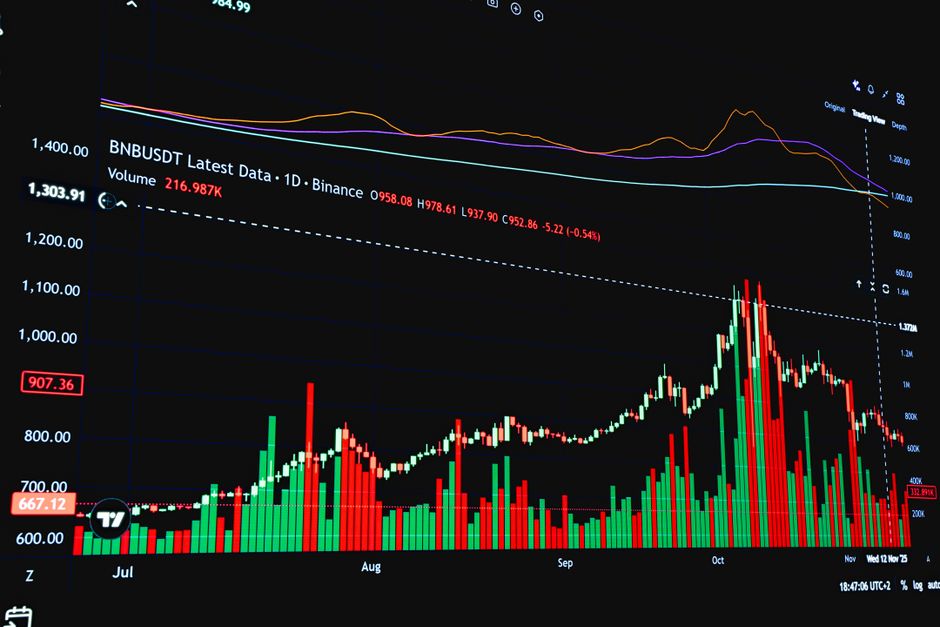
Crypto volatility refers to the rate and magnitude of price fluctuations in cryptocurrency markets over a given period. Unlike traditional financial assets such as stocks or bonds, **cryptocurrencies exhibit extreme price swings** that can occur within minutes or hours. Volatility is typically measured using statistical indicators like standard deviation, beta coefficients, and the **Volatility Index (VIX)** adapted for crypto markets.
The key difference between crypto and traditional market volatility lies in intensity and frequency. While the S&P 500 might experience annual volatility of 15-20%, major cryptocurrencies like Bitcoin (BTC) and Ethereum (ETH) regularly see **annual volatility exceeding 60-80%**. This means a crypto asset trading at $50,000 could realistically swing between $40,000 and $60,000 within weeks.
Traders and analysts measure crypto volatility through tools like Bollinger Bands, Average True Range (ATR), and historical volatility calculators available on platforms like TradingView and CoinGecko. Understanding these metrics helps investors assess risk exposure before entering positions in trending cryptos.
Why is Crypto Volatile?
Several structural factors make cryptocurrency markets inherently volatile compared to traditional finance. **Market maturity** plays a significant role—crypto markets are relatively young, with Bitcoin launching only in 2009. Lower market capitalization across the crypto ecosystem means that large buy or sell orders can move prices dramatically.
**Regulatory uncertainty** creates sudden price swings when governments announce new policies. For example, when China banned crypto mining in 2021, Bitcoin dropped over 50% within weeks. Conversely, news of institutional adoption or regulatory clarity can trigger explosive rallies. The Securities and Exchange Commission (SEC) actions on exchange-traded funds (ETFs) and classification decisions regularly cause market-wide reactions.
Investor behavior in crypto markets skews toward speculation rather than value investing. **Retail participation** is high, and emotional trading driven by fear of missing out (FOMO) or panic selling amplifies price movements. Social media trends, influencer opinions, and viral narratives can shift billions of dollars in market cap overnight—a phenomenon rarely seen in traditional equity markets.
Historical Examples of Crypto Volatility
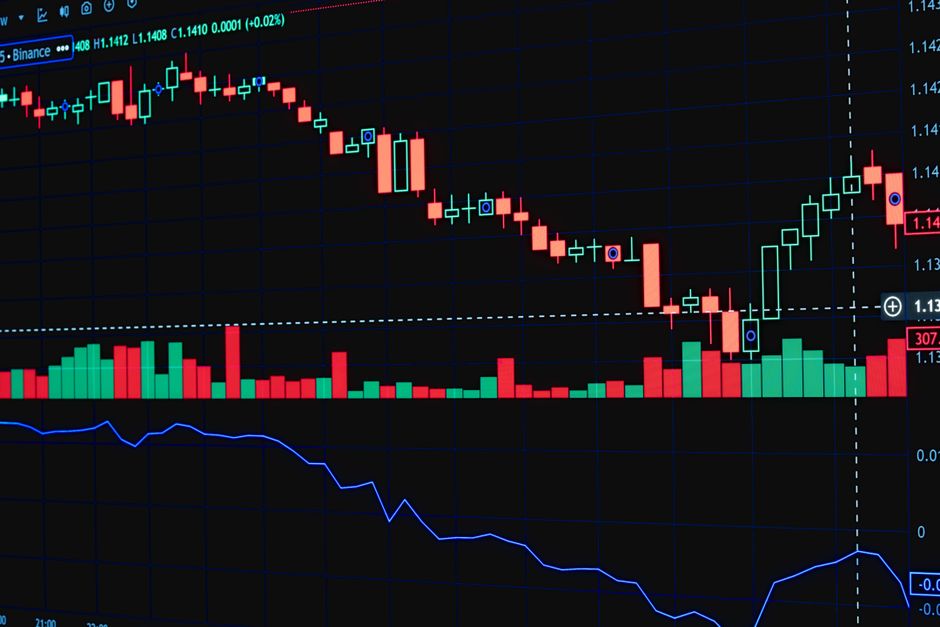
Bitcoin’s history provides textbook examples of extreme volatility. In 2017, BTC surged from approximately $1,000 in January to nearly $20,000 in December before crashing to $3,200 by December 2018—an **84% decline**. The cause was a combination of retail FOMO, initial coin offering (ICO) mania, and subsequent regulatory crackdowns across Asia.
Ethereum experienced similar patterns during the 2021 bull run when it climbed from $730 to an all-time high of $4,878 in November 2021. The subsequent crypto winter saw ETH fall to $880 by June 2022—a **82% drawdown**. Contributing factors included rising interest rates, the collapse of major protocols like Terra/Luna, and contagion from centralized exchange failures including FTX.
Altcoins demonstrate even more extreme volatility. Solana (SOL) dropped from $260 to under $10 during the 2022 downturn due to network outages and association with FTX. These examples underscore that **even top-ranked cryptocurrencies carry substantial downside risk** regardless of technological fundamentals or adoption narratives.
Risks and Opportunities in Volatile Markets
Crypto volatility presents a double-edged sword for investors. The primary risk is **capital loss**—investors can lose 50-90% of their investment during bear markets, especially in lower-cap altcoins. Leverage trading amplifies these risks, with liquidations occurring rapidly during flash crashes. Many beginners underestimate how quickly unrealized gains can evaporate.
On the opportunity side, volatility creates potential for substantial returns unavailable in traditional markets. Traders using proper risk management have generated **triple-digit percentage gains** during bull cycles. Dollar-cost averaging (DCA) strategies allow investors to accumulate positions during drawdowns, positioning for recovery rallies.
The key is **asymmetric risk-reward ratios**. A well-researched crypto investment might risk 50% downside but offer 200-500% upside during favorable market conditions. However, this requires strict position sizing—never investing more than you can afford to lose completely. Professional investors typically allocate only 1-5% of portfolios to crypto precisely because of volatility risks.
Strategies for Managing Crypto Volatility
Diversification remains the cornerstone of volatility management. Rather than concentrating capital in one trending crypto, spread exposure across **multiple asset categories**: large-cap cryptocurrencies (Bitcoin, Ethereum), mid-cap layer-1 blockchains, and limited exposure to high-risk altcoins. This reduces portfolio volatility while maintaining upside exposure.
**Position sizing and rebalancing** are critical. A common framework is the 50-30-20 rule: 50% in Bitcoin/Ethereum, 30% in established altcoins, and 20% in higher-risk plays. Rebalance quarterly to lock in gains from outperformers and accumulate underperformers. This disciplined approach prevents emotional decision-making during extreme moves.
Risk management tools include stop-loss orders, which automatically sell positions when prices fall below predetermined levels. For example, setting a **15-20% stop-loss** on each position limits maximum loss per trade. Taking partial profits during rallies—selling 25-50% when positions double—locks in gains while maintaining exposure to further upside.
Common Mistakes Made by Beginner Crypto Investors
The biggest mistake is failing to **Do Your Own Research (DYOR)** before investing. Beginners often buy trending cryptos based solely on social media hype without understanding the underlying technology, tokenomics, or team credentials. This leads to investments in low-quality projects that eventually go to zero.
**Buying at market tops** due to FOMO is another classic error. When Bitcoin or trending altcoins dominate mainstream news headlines, retail investors pile in near peak prices. Seasoned investors recognize that maximum euphoria typically signals market tops, not entry points. The inverse applies to capitulation bottoms—maximum fear often presents the best buying opportunities.
Falling for **scams and fraudulent schemes** remains prevalent. Common traps include fake giveaways impersonating celebrities, pump-and-dump schemes in Telegram groups, and unregistered securities disguised as utility tokens. The crypto space lacks investor protections found in traditional finance, making due diligence absolutely essential. Never send crypto to addresses promising guaranteed returns or participate in projects without verifiable team identities and audited smart contracts.
Tips for Navigating Crypto Volatility
Staying informed requires following **reputable news sources** rather than social media rumors. Bookmark sites like CoinDesk, The Block, and Decrypt for objective reporting. Follow regulatory developments through official SEC and Commodity Futures Trading Commission (CFTC) channels. Use on-chain analytics platforms like Glassnode or Santiment to track actual blockchain activity rather than just price movements.
**Technical analysis** provides frameworks for interpreting volatility. Learn to identify support and resistance levels, recognize chart patterns like head-and-shoulders or double bottoms, and use indicators like Relative Strength Index (RSI) to gauge overbought or oversold conditions. While not predictive, these tools help contextualize price action and identify higher-probability entry and exit points.
Developing **emotional control** is perhaps most important. Volatility triggers psychological responses—euphoria during rallies, panic during crashes. Successful crypto investors maintain predetermined investment plans regardless of emotional impulses. Consider keeping a trading journal documenting entry rationale, position sizing, and exit criteria before opening positions. This creates accountability and prevents reactive decision-making during volatile periods.
Crypto Volatility and Market Sentiment
Market sentiment drives short-term crypto price movements more than fundamental developments. **Media coverage** creates self-reinforcing cycles—positive headlines attract buyers, driving prices higher, generating more positive coverage. The 2021 bull run exemplified this when institutional adoption narratives dominated financial media, bringing billions in new capital.
Social media platforms like Twitter (X) and Reddit serve as sentiment amplifiers. Trending hashtags, viral posts from influencers, and coordinated campaigns can move mid-cap crypto prices **10-30% in single sessions**. The Fear and Greed Index, which aggregates sentiment indicators, provides a quantitative measure of market psychology—extreme greed often precedes corrections, while extreme fear marks potential bottoms.
Interpreting sentiment requires contrarian thinking. When everyone is bullish and leverage ratios spike, prudent investors reduce exposure. Conversely, when sentiment reaches maximum pessimism and funding rates turn negative, accumulation opportunities emerge. This doesn’t mean fighting trends, but rather **recognizing when sentiment has reached unsustainable extremes** that typically precede reversals.
Risk Disclaimer
**Cryptocurrency investments carry substantial risk and are not suitable for all investors.** The extreme volatility discussed in this article can result in total capital loss. Digital assets are not backed by governments or central banks, lack consumer protections found in traditional finance, and face ongoing regulatory uncertainty. This article provides educational information only and does not constitute financial advice, investment recommendations, or solicitation to buy or sell any cryptocurrency. Past performance does not guarantee future results. Consult a qualified financial advisor and only invest capital you can afford to lose completely. Always conduct thorough research before making investment decisions.
Frequently Asked Questions
What is the best way to stay informed about crypto market developments?
Follow reputable news sources like CoinDesk, The Block, and Decrypt for objective reporting on trending cryptos and market analysis. Join crypto-focused communities on platforms like Reddit’s r/cryptocurrency and Twitter for real-time discussions, but verify claims through primary sources. Use data analytics tools like CoinGecko, CoinMarketCap, and Glassnode to track market metrics and on-chain data. Subscribe to regulatory update services to monitor SEC and CFTC actions that impact the crypto space. Avoid relying solely on social media influencers or Telegram groups promoting specific projects, as these often contain biased or misleading information.
How can I avoid making common beginner mistakes in the crypto market?
Conduct thorough research before investing by reading project whitepapers, verifying team credentials on LinkedIn, and checking for third-party smart contract audits from firms like CertiK or Consensys Diligence. Develop a written investment plan specifying entry prices, position sizes (typically 1-5% of portfolio per asset), and exit criteria before purchasing. Avoid buying based on FOMO during parabolic rallies when mainstream media coverage peaks. Be extremely cautious of opportunities promising guaranteed returns, projects without transparent teams, or pressure to invest quickly. Use hardware wallets like Ledger or Trezor to secure holdings rather than leaving funds on exchanges vulnerable to hacks.
What is the most important risk management tool for crypto investors?
A well-defined investment plan with strict position sizing represents the most critical risk management tool. Determine maximum portfolio allocation to crypto (typically 5-10% of total net worth) and per-asset limits (1-3% per individual cryptocurrency) before investing. Implement stop-loss orders at 15-20% below entry prices to limit downside on each position. Use dollar-cost averaging to build positions gradually rather than investing lump sums at single price points. Rebalance quarterly by taking partial profits from outperformers and redistributing to underperformers. Maintain an emergency fund in stable assets outside crypto markets to avoid forced liquidations during personal financial stress. Never use leverage or margin trading until you have extensive experience and can afford complete loss of the leveraged amount.
How does market sentiment influence crypto volatility?
Market sentiment creates feedback loops that amplify price movements in both directions. Positive media coverage and social media trends attract new buyers, driving prices higher and generating additional positive sentiment—this cycle characterized the 2021 bull run. Conversely, negative news triggers selling pressure that creates further pessimism and additional selling. Fear and Greed Index readings above 75 (extreme greed) historically precede corrections of 20-40%, while readings below 25 (extreme fear) often mark accumulation opportunities. Influencer posts can move mid-cap cryptocurrency prices 10-30% within hours due to retail investor reactions. Monitoring sentiment through tools like LunarCrush social analytics and exchange funding rates helps investors identify when emotional extremes create contrarian opportunities.
What is the best approach to managing emotions when investing in volatile crypto markets?
Develop emotional control through education, clear rules, and systematic processes. Create a detailed investment thesis documenting why you’re buying each cryptocurrency, target prices, and conditions that would invalidate the thesis—review this during volatile periods rather than reacting emotionally. Use position sizing that allows comfortable sleep regardless of price movements; if you’re checking prices every hour anxiously, your position is too large. Maintain a trading journal recording entry rationale, emotions at purchase time, and outcomes to identify behavioral patterns. Consider setting calendar reminders for quarterly portfolio reviews rather than constantly monitoring prices. Practice dollar-cost averaging to remove timing decisions and associated stress. Accept that volatility is inherent to crypto markets—if you cannot tolerate 50%+ drawdowns, traditional investments may better suit your risk tolerance.
Charting & Exchange Resources
| Platform | Use Case | Key Feature | Fee Model | Action |
|---|---|---|---|---|
| TradingView | Charting & technical analysis | Indicators, multi-timeframe charts | Free / Pro tiers | View Platform |
| Coinbase | Exchange (beginner-friendly) | Simple USD on-ramp, educational tools | Varies by region | View Platform |
| Binance | Exchange (advanced pairs) | Wide altcoin coverage, spot markets | Varies by region | View Platform |
Affiliate Disclosure: This post contains affiliate links. We may earn a commission if you buy through our links, at no extra cost to you. Investment Risk Disclaimer: Cryptocurrency and digital asset markets are highly volatile. This content is for informational and educational purposes only and is not financial, investment, or trading advice. You may lose some or all of your capital. Do your own research and consult a licensed financial advisor before making investment decisions.
Leave a Reply