
Understanding Crypto Exchanges
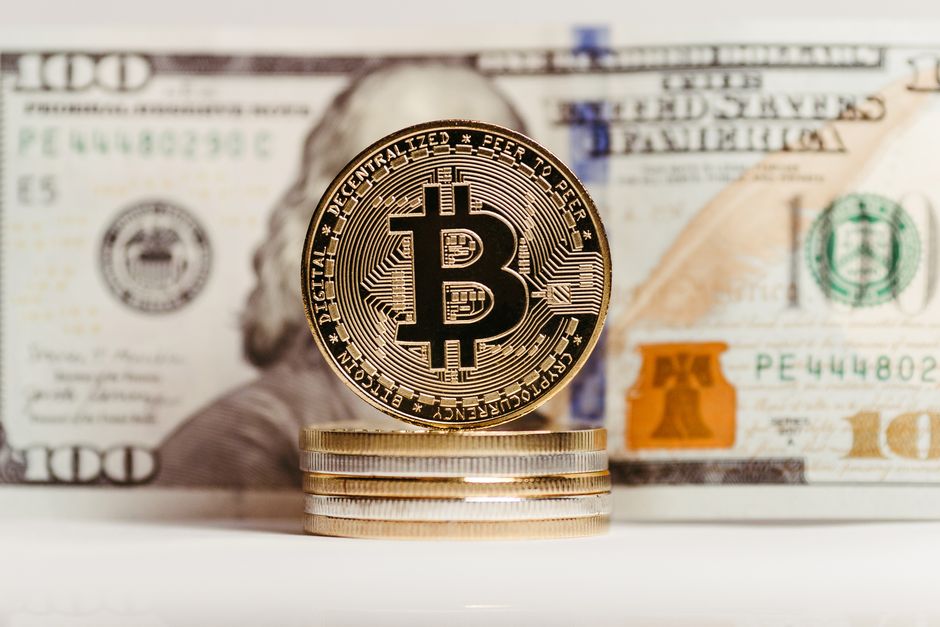
A cryptocurrency exchange is a digital marketplace where traders buy, sell, and swap cryptocurrencies like Bitcoin (BTC), Ethereum (ETH), and thousands of altcoins. These platforms act as intermediaries, matching buy and sell orders much like a stock exchange — but they operate 24/7 and deal in digital assets rather than traditional equities. Without a crypto exchange, individual investors would have no standardized way to convert fiat currency (U.S. dollars, euros, etc.) into crypto or to trade one digital asset for another.
The two primary categories are **centralized exchanges (CEX)** and **decentralized exchanges (DEX)**. Centralized exchanges are run by companies — think Coinbase or Kraken — that hold user funds on their own servers and manage order books. Decentralized exchanges, by contrast, run on blockchain smart contracts and allow peer-to-peer trading without a single corporate gatekeeper. For most U.S. traders, centralized platforms remain the default entry point because they offer easier fiat on-ramps, customer support, and regulatory compliance with U.S. laws. Understanding this foundational distinction matters before you fund your first account.
Factors to Consider When Choosing a Crypto Exchange in the USA
Not all crypto platforms are created equal, and the differences can meaningfully impact your returns over time. The three pillars every U.S. trader should evaluate are **fees, security, and user experience**.
**Trading fees and transaction costs** vary widely. Most U.S. exchanges charge a maker-taker fee schedule where you pay a percentage on every trade — typically ranging from 0.10% to 0.60% per side. Coinbase is known for higher fees (sometimes exceeding 1.5% for beginners using the Simple Trading mode), while Kraken and Kraken Pro offer more competitive rates for active traders. Deposit and withdrawal fees also differ: ACH bank transfers are usually free, but wire transfers or credit card purchases can carry flat fees or percentage charges.
**Security and regulatory compliance** is non-negotiable. Look for exchanges registered with the Financial Crimes Enforcement Network (FinCEN) as a Money Services Business (MSB) and that maintain compliance with state-level money transmitter licenses. Two-factor authentication (2FA), cold storage for the majority of customer funds, and proof-of-reserves audits are all industry best practices. Exchanges that operate exclusively within the U.S. regulatory framework — such as Coinbase and Gemini — tend to offer stronger legal protections for American customers.
**User experience and customer support** can make or break your trading routine. A clean interface, fast execution speeds, and accessible educational resources matter for beginners. Advanced traders care about charting tools, API access for algorithmic strategies, and deeper order types (limit orders, stop-loss orders, margin trading where legal). Support responsiveness is a common Reddit complaint — many traders report multi-day wait times during high-volatility periods on larger platforms.
Top Crypto Exchanges in the U.S. Market for 2026

Based on current market data, regulatory standing, and Reddit community sentiment, the following platforms rank among the most discussed and widely used in the United States.
| Exchange | Best For | Notable Feature | Regulatory Status |
|---|---|---|---|
| **Coinbase** | Beginners, regulatory safety | User-friendly app, educational rewards | SEC registered, FinCEN MSB |
| **Kraken** | Active traders, lower fees | Competitive maker-taker fees, staking | FinCEN MSB, globally compliant |
| **Gemini** | Security-first traders | SOC 2 Type II certified, insurance | New York DOCH licensed |
| **Binance.US** | Low-fee altcoin access | Wide selection, lower trading fees | FinCEN MSB, state-licensed |
**Coinbase** dominates U.S. retail volume and remains the most recommended platform for first-time crypto buyers. Its simplicity — direct ACH linking, a regulated interface, and an insured custodial layer — makes it the go-to entry point. However, Redditors frequently criticize its fee structure, calling it “expensive compared to Kraken” for anything beyond basic buying and selling.
**Kraken** earns consistent praise on Reddit for its Pro trading interface, competitive fees, and global credibility built since 2011. It offers staking, futures trading (for eligible users), and a strong security track record with no major successful hacks in recent years.
**Gemini**, founded by the Winklevoss twins, leans heavily into security and compliance — particularly its New York BitLicense, which is one of the strictest regulatory approvals in the industry. Reddit threads highlight Gemini as a “trustworthy” but sometimes slower platform for advanced trading features.
**Binance.US** provides access to a broader altcoin selection at lower fees than its American competitors, but Reddit sentiment is mixed due to ongoing regulatory scrutiny of its global parent company. U.S. users on Binance.US operate under a separate, legally distinct entity — an important distinction often lost on newer traders.
Analyzing Reddit Sentiment for Crypto Exchange Selection
Reddit has become one of the most influential crowdsourced research tools for U.S. crypto traders. Subreddits like r/CryptoCurrency, r/Bitcoin, r/ethereum, and r/Binance are active around the clock with real-user reviews, exchange comparisons, and honest warnings about platform failures. Understanding how to read Reddit sentiment — rather than blindly following it — is a skill that separates informed traders from impulsive ones.
**Key Reddit communities** worth monitoring include r/CryptoCurrency (general discussion), r/Bitcoin (BTC-focused), and r/Binance (exchange-specific). Each community has its own biases: long-term Bitcoin holders tend to favor Coinbase or self-custody cold wallets, while active altcoin traders lean toward Kraken or Binance.US for liquidity and lower fees.
**How to interpret Reddit buzz**: A thread with hundreds of upvotes complaining about withdrawal delays during a market crash does not automatically mean an exchange is untrustworthy — it may simply reflect growing pains during extreme volume. Look for patterns over time: recurring complaints about frozen accounts, unresponsive support, or unexplained fees are genuine red flags. Conversely, posts that say “I’ve been using [exchange] for three years without a single issue” carry real weight when corroborated by multiple independent users.
Reddit sentiment analysis tools and platforms exist to aggregate these signals at scale, but nothing replaces reading the original posts and evaluating the source’s credibility. Be skeptical of brand-new accounts pushing a single platform, and give more weight to established users with verified trade histories in their post history.
Risks and Challenges in the U.S. Crypto Market
**Volatility and unpredictability** define the crypto landscape. Bitcoin has swung 30% or more in a single month multiple times in its history, and altcoins routinely move 50%–80% in either direction within weeks. This is not a market for money you cannot afford to lose. Reddit is full of stories from traders who “couldn’t sleep” during a sharp correction — and some who woke up to margin calls that wiped out their positions entirely.
**Regulatory challenges** add a layer of complexity unique to the U.S. market. The Securities and Exchange Commission (SEC) has brought enforcement actions against multiple exchanges and token issuers, creating legal uncertainty for certain listed assets. State-level regulations vary: New York requires a BitLicense, while Texas and Wyoming have taken a more crypto-friendly stance. This patchwork of rules means the exchange that works well in California may operate differently — or not at all — in New York.
**Security risks** are real. Even the most reputable exchanges have experienced breaches. The mt. Gox collapse in 2014 remains a cautionary tale — over 850,000 Bitcoin were stolen, and affected customers are still waiting for partial repayment over a decade later. Modern exchanges mitigate this with cold storage, insurance funds, and proof-of-reserves mechanisms, but no platform is 100% immune. This is why many experienced U.S. traders withdraw significant holdings to personal hardware wallets and only keep trading capital on exchange platforms.
Practical Tips for U.S. Crypto Traders
**Diversification** is the most repeated and most ignored advice in crypto. Holding a mix of established assets (Bitcoin, Ethereum) alongside a measured allocation to emerging layer-1 blockchain tokens or DeFi (Decentralized Finance) projects spreads your risk. Reddit’s most upvoted investing wisdom consistently echoes Warren Buffett’s principle: never invest more than you can afford to lose entirely.
**Staying current with market trends** means following reputable news sources — CoinDesk, The Block, and Cointelegraph for daily coverage — alongside your Reddit community monitoring. Major announcements like Federal Reserve interest rate decisions, SEC regulatory actions, or Bitcoin halving events can trigger outsized market moves. Having a basic calendar awareness of these catalysts helps you avoid being blindsided.
**Secure trading best practices** include enabling 2FA on every account (hardware keys like YubiKey are stronger than SMS-based 2FA), using unique passwords managed through a password manager, and avoiding public Wi-Fi when accessing your exchange or wallet. Consider a hardware wallet (such as a Ledger or Trezor device) for any crypto you plan to hold longer than a few weeks. These devices store your private keys offline, making them immune to remote hacking.
Case Studies: Success Stories and Cautionary Tales
**Success stories** on Reddit often share a common thread: patience, disciplined dollar-cost averaging (DCA), and consistent education. One frequently cited example is the “Bitcoin DCA crowd” — traders who set up recurring weekly or monthly buys regardless of price, accumulating BTC over years rather than chasing short-term swings. The 2020–2021 bull run rewarded many of these disciplined investors who had been stacking sats (small amounts of Bitcoin) since the 2018 bear market.
**Cautionary tales** are equally instructive. Stories of traders who chased meme coins during peak FOMO (Fear of Missing Out), used excessive leverage, or moved entire portfolios onto lesser-known exchanges that later collapsed are staples of r/CryptoCurrency’s most-upvoted posts. The common denominator in nearly every cautionary tale: ignoring risk management, investing based on Reddit hype rather than personal research, or leaving funds on platforms with poor security track records.
The lesson for U.S. traders is clear: Reddit is a research tool, not a financial advisor. Use it to identify platforms, spot patterns, and learn from others’ experiences — but make your own decisions based on your financial goals, risk tolerance, and verified facts.
Frequently Asked Questions (FAQ)
What are the main differences between top U.S. crypto exchanges?
The biggest differences come down to fee structure, asset selection, security posture, and regulatory compliance. Coinbase leads on ease of use and regulatory trust but charges higher fees. Kraken offers competitive pricing and a deep feature set for active traders. Gemini excels in security and compliance, particularly for New York residents. Binance.US provides the widest altcoin selection at lower fees but carries more regulatory ambiguity due to its global parent company’s legal history. Choose based on your trading priorities — not Reddit popularity alone.
How important are trading fees when choosing a crypto exchange?
Trading fees matter significantly for active traders but are less critical for long-term holders who make only a few purchases per month. A trader executing 20+ trades per month on a platform with 0.5% fees versus 0.10% fees will pay dramatically more over a year. For buy-and-hold investors, deposit and withdrawal fees and the platform’s security reputation matter far more than marginal trading costs. Run the numbers based on your expected trading frequency before committing.
Where can U.S. traders find reliable market sentiment analysis on Reddit?
The most reliable Reddit communities for U.S. crypto sentiment include r/CryptoCurrency (general market discussion), r/Bitcoin (BTC-specific), and r/ethereum (ETH ecosystem). Look for consensus across multiple threads rather than isolated hot takes. Be especially cautious of posts from brand-new accounts or threads promoting a specific exchange aggressively — these are common indicators of coordinated marketing or astroturfing rather than genuine user feedback.
How can U.S. traders protect their investments from crypto market risks?
Protection starts with risk management fundamentals: never invest more than you can afford to lose, diversify across established and smaller-cap assets, enable two-factor authentication on every exchange account, and move long-term holdings to a personal hardware wallet. Staying informed through reputable news sources, understanding the regulatory environment in your state, and avoiding leverage unless you are an experienced trader all contribute to a more resilient investment strategy. Remember that cryptocurrency markets operate 24/7 and can move sharply overnight — position sizing should reflect that reality.
Further Reading and Resources
For traders looking to deepen their knowledge beyond this guide, several resources consistently rank among the most recommended across U.S. crypto communities. **CoinDesk’s Learn section** offers structured explainers on blockchain fundamentals, trading basics, and market analysis for beginners. **Investopedia’s cryptocurrency hub** provides well-researched definitions and market context written for U.S. audiences. **Bankless** produces podcasts and newsletters focused on the evolving DeFi ecosystem and decentralized finance literacy.
Online courses through platforms like **Coursera and Udemy** offer blockchain and crypto trading modules from university professors and industry practitioners. For hands-on traders, learning to read candlestick charts, understanding relative strength indicators, and familiarizing yourself with on-chain analytics tools like Glassnode or CoinMetrics will sharpen your market analysis skills significantly.
Final Thoughts and Takeaways
Choosing the best crypto exchange for your needs as a U.S. trader in 2026 requires balancing fees, security, asset availability, and regulatory trustworthiness — not simply following whichever platform Reddit is praising this week. Coinbase, Kraken, Gemini, and Binance.US each occupy a distinct niche within the U.S. market, and the “best” platform depends entirely on your trading style, experience level, and risk tolerance.
Reddit remains a powerful open-source research tool for gauging real-world platform performance, identifying emerging risks, and learning from the community’s collective successes and failures. Treat it as a signal source, not a decision engine. The traders who perform best over the long term combine Reddit community insights with their own due diligence, disciplined risk management, and a commitment to ongoing education as the crypto landscape evolves.
**Cryptocurrency investing carries significant risk, and volatile crypto markets can be unpredictable. This article is not financial advice, and readers should conduct their own research and consult with a financial advisor before making any investment decisions.**
Charting & Exchange Resources
| Platform | Use Case | Key Feature | Fee Model | Action |
|---|---|---|---|---|
| TradingView | Charting & technical analysis | Indicators, multi-timeframe charts | Free / Pro tiers | View Platform |
| Coinbase | Exchange (beginner-friendly) | Simple USD on-ramp, educational tools | Varies by region | View Platform |
| Binance | Exchange (advanced pairs) | Wide altcoin coverage, spot markets | Varies by region | View Platform |
Affiliate Disclosure: This post contains affiliate links. We may earn a commission if you buy through our links, at no extra cost to you. Investment Risk Disclaimer: Cryptocurrency and digital asset markets are highly volatile. This content is for informational and educational purposes only and is not financial, investment, or trading advice. You may lose some or all of your capital. Do your own research and consult a licensed financial advisor before making investment decisions.
Leave a Reply