Altcoin Market Overview
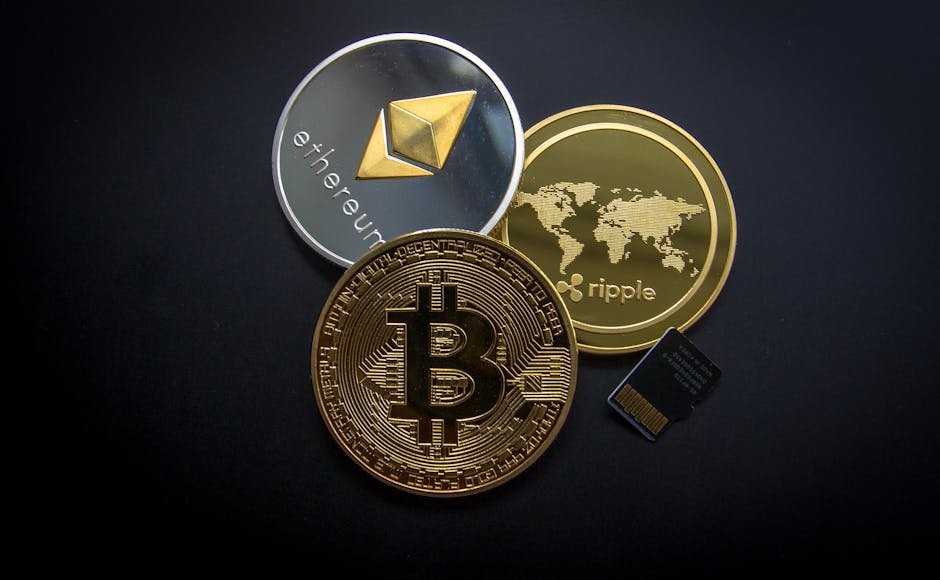
An **altcoin** refers to any cryptocurrency other than Bitcoin, representing thousands of digital assets that have emerged since Bitcoin’s creation in 2009. The term literally means “alternative coin” and encompasses everything from Ethereum and Litecoin to newer projects focused on specific use cases. Bitcoin maintains approximately 40-50% market dominance, while altcoins collectively represent the remaining market capitalization in the cryptocurrency space.
The total altcoin market capitalization fluctuates significantly, often ranging from $800 billion to over $2 trillion during bull markets. **Market dominance** shifts regularly between Bitcoin and altcoins, with “altcoin seasons” occurring when alternative cryptocurrencies outperform Bitcoin substantially. Trading volume for major altcoins like Ethereum, Binance Coin, and Cardano can exceed $10-20 billion daily during active market periods.
**Liquidity** varies dramatically across different altcoins, with established projects offering deep order books while smaller projects may experience significant price slippage. Understanding market cap rankings and trading volumes helps investors assess which altcoins have sufficient liquidity for their investment strategies.
Altcoin Categories and Types
Altcoins fall into several distinct categories based on their underlying technology and intended use cases. **Platform coins** like Ethereum, Binance Smart Chain, and Solana serve as foundations for decentralized applications and smart contracts. These coins often appreciate when their respective ecosystems experience growth in developer activity and user adoption.
**Privacy-focused cryptocurrencies** such as Monero, Zcash, and Dash prioritize transaction anonymity and fungibility. These projects use advanced cryptographic techniques like ring signatures and zero-knowledge proofs to obscure transaction details from public blockchain explorers.
**Stablecoins** represent a crucial altcoin category designed to maintain price stability relative to fiat currencies or commodities. Tether (USDT), USD Coin (USDC), and DAI serve as digital dollars within the cryptocurrency ecosystem, facilitating trading and DeFi protocols without traditional banking infrastructure.
DeFi tokens encompass governance tokens, yield farming rewards, and protocol-specific assets that power decentralized finance applications. Examples include Uniswap (UNI), Aave (AAVE), and Compound (COMP), which grant holders voting rights and potential revenue sharing from protocol fees.
Altcoin Investment Strategies
**Diversification** across multiple altcoins can help reduce portfolio risk while maintaining upside potential during market rallies. Successful altcoin investors often allocate positions across different categories – platform coins, DeFi tokens, privacy coins, and emerging sectors like gaming or NFTs. This approach helps capture various market trends while limiting exposure to any single project’s failure.
**Fundamental analysis** for altcoins involves evaluating the project’s technology, team credentials, partnerships, and real-world adoption metrics. Key indicators include active developer commits on GitHub, total value locked (TVL) for DeFi projects, and network transaction volumes. Technical analysis applies traditional chart patterns and indicators to altcoin price movements, though cryptocurrency markets often exhibit higher volatility than traditional assets.
**Risk management** becomes critical when investing in altcoins due to their inherent volatility and regulatory uncertainty. Position sizing should reflect each altcoin’s risk profile, with speculative positions typically representing 1-5% of total portfolio value. Stop-loss orders and profit-taking strategies help preserve capital during market downturns.
Altcoin Trading and Exchanges
Major cryptocurrency exchanges offer varying selections of altcoins, with **Binance, Coinbase Pro, and Kraken** providing access to hundreds of trading pairs. Binance typically offers the widest altcoin selection, including newer projects and international tokens not available on US-focused platforms. Coinbase emphasizes regulatory compliance and security but maintains a more limited altcoin roster.
**Decentralized exchanges** (DEXs) like Uniswap and PancakeSwap enable trading of altcoins without traditional exchange accounts. These platforms operate on blockchain networks and allow access to newer tokens before centralized exchange listings. However, DEX trading requires understanding gas fees, slippage, and smart contract risks.
| Exchange Type | Pros | Cons |
|---|---|---|
| Centralized | High liquidity, fiat onramps | Custody risks, limited selection |
| Decentralized | Wide token access, no KYC | Higher fees, technical complexity |
| Peer-to-peer | Privacy, direct settlement | Counterparty risk, limited volume |
**Trading fees** vary significantly across platforms, with makers typically paying 0.1-0.25% and takers paying 0.1-0.5% per transaction. Volume-based discounts and native exchange token holdings can reduce fees substantially for active traders.
Altcoin Wallets and Storage
**Hardware wallets** like Ledger and Trezor provide the highest security for altcoin storage by keeping private keys offline. These devices support hundreds of different cryptocurrencies and integrate with popular wallet software for transaction signing. Hardware wallets cost $50-200 but offer protection against online threats and exchange hacks.
**Software wallets** include desktop applications, mobile apps, and browser extensions that store private keys on internet-connected devices. MetaMask dominates Ethereum-based altcoin storage, while multi-currency wallets like Exodus support diverse altcoin portfolios. Software wallets offer convenience but require users to maintain device security and backup seed phrases.
**Exchange custody** keeps altcoins on trading platforms for immediate access but creates counterparty risk if the exchange experiences technical issues or regulatory problems. Major exchanges implement insurance and cold storage practices, though individual account protection varies by platform and jurisdiction.
Best practices include using hardware wallets for long-term holdings, keeping only trading amounts on exchanges, and maintaining secure backups of all wallet recovery phrases in multiple physical locations.
Altcoin Market Trends and Analysis
**Bullish factors** driving altcoin prices include increased institutional adoption, positive regulatory developments, and technological breakthroughs in blockchain scalability or interoperability. Market sentiment often follows Bitcoin’s direction, with altcoins experiencing amplified gains during crypto bull markets. DeFi summer in 2020 and NFT mania in 2021 demonstrated how narrative-driven trends can create significant altcoin outperformance.
**Bearish pressures** typically stem from regulatory crackdowns, exchange security breaches, or macroeconomic factors like rising interest rates and inflation concerns. Altcoins generally experience more severe drawdowns than Bitcoin during market corrections, with some projects losing 80-95% of their peak values.
**Correlation analysis** shows altcoins often move in tandem with Bitcoin over medium-term periods, though short-term divergences create trading opportunities. Ethereum frequently leads altcoin rallies due to its role as a platform for new token launches and DeFi protocols. Seasonal patterns suggest altcoin strength often emerges during Q4 and Q1, coinciding with increased retail investor participation.
Market cycles in cryptocurrency typically span 2-4 years, with altcoins experiencing the most dramatic gains during the final phases of bull markets when investors seek higher-risk, higher-reward opportunities beyond Bitcoin and Ethereum.
Altcoin Investment Risks
**Volatility** represents the primary risk factor for altcoin investments, with daily price swings of 10-30% occurring regularly even for established projects. This volatility stems from relatively small market capitalizations, limited institutional participation, and sentiment-driven trading patterns. Newer altcoins exhibit even higher volatility due to lower liquidity and speculative trading activity.
**Regulatory uncertainty** poses significant risks as governments worldwide develop cryptocurrency oversight frameworks. Projects focused on privacy, decentralized finance, or securities-like features face potential compliance challenges that could limit adoption or trigger delisting from major exchanges. The SEC’s ongoing enforcement actions highlight how regulatory clarity remains incomplete in many jurisdictions.
**Market manipulation** occurs more frequently in altcoin markets due to lower liquidity and less sophisticated market surveillance. Pump-and-dump schemes, wash trading, and coordinated social media campaigns can artificially inflate altcoin prices before dramatic selloffs. Investors should research project fundamentals rather than following social media hype or influencer recommendations.
Scams and fraudulent projects represent ongoing threats in the altcoin space, with exit scams, rug pulls, and fake token launches targeting inexperienced investors. Due diligence on project teams, smart contract audits, and community sentiment helps identify legitimate projects versus potential scams.
**Risk Disclaimer**: Cryptocurrency investments, including altcoins, involve substantial risk of loss and are highly volatile. Prices can fluctuate dramatically, and investors may lose their entire investment. This information is educational only and does not constitute financial advice. Always conduct thorough research and consider consulting with qualified financial professionals before making investment decisions.
Frequently Asked Questions
Q: What is the difference between an altcoin and Bitcoin?
A: Altcoins are any cryptocurrencies other than Bitcoin, offering different features like smart contracts, privacy enhancements, or specific use cases. While Bitcoin focuses primarily on being digital money, altcoins often serve broader purposes within blockchain ecosystems, though they typically exhibit higher volatility and different risk profiles than Bitcoin.
Q: How do I choose the right altcoin to invest in?
A: Evaluate altcoins based on their technology, team experience, real-world adoption, and market position within their sector. Research the project’s whitepaper, development activity, partnerships, and community engagement. Consider your risk tolerance and investment timeline, as altcoins require more active monitoring than traditional investments.
Q: What are the risks associated with investing in altcoins?
A: Major risks include extreme price volatility, regulatory uncertainty, potential project failures, market manipulation, and liquidity issues. Many altcoins lose significant value during market downturns, and some projects may become worthless if they fail to achieve adoption or face regulatory challenges.
Charting & Exchange Resources
| Platform | Use Case | Key Feature | Fee Model | Action |
|---|---|---|---|---|
| TradingView | Charting & technical analysis | Indicators, multi-timeframe charts | Free / Pro tiers | View Platform |
| Coinbase | Exchange (beginner-friendly) | Simple USD on-ramp, educational tools | Varies by region | View Platform |
| Binance | Exchange (advanced pairs) | Wide altcoin coverage, spot markets | Varies by region | View Platform |
Affiliate Disclosure: This post contains affiliate links. We may earn a commission if you buy through our links, at no extra cost to you. Investment Risk Disclaimer: Cryptocurrency and digital asset markets are highly volatile. This content is for informational and educational purposes only and is not financial, investment, or trading advice. You may lose some or all of your capital. Do your own research and consult a licensed financial advisor before making investment decisions.
Leave a Reply