Altcoin Market Overview
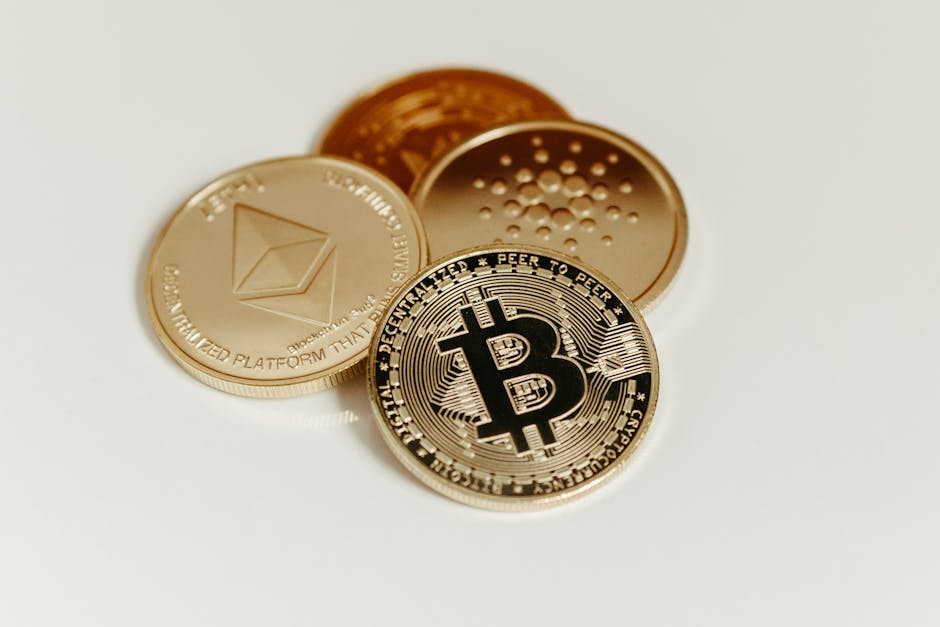
The **altcoin** market represents a diverse ecosystem of cryptocurrencies beyond Bitcoin, encompassing thousands of digital assets with varying use cases and market capitalizations. As of 2024, altcoins collectively account for approximately 60% of the total cryptocurrency market capitalization, demonstrating their significant role in the digital asset landscape. This market dominance fluctuates based on Bitcoin’s performance and overall market sentiment.
Bitcoin versus altcoins presents a fascinating study in market dynamics and investor behavior. While Bitcoin maintains its position as the flagship cryptocurrency, altcoins often exhibit higher volatility and potential for both gains and losses. During bull markets, altcoins typically outperform Bitcoin as investors seek higher returns through riskier assets. Conversely, during market downturns, capital often flows back to Bitcoin as a relative safe haven.
Top performing altcoins in recent months have included established projects like Ethereum, which benefits from its smart contract ecosystem, and newer entrants focusing on specific niches like decentralized finance (DeFi) and non-fungible tokens (NFTs). However, past performance never guarantees future results in the highly volatile cryptocurrency market.
Altcoin Investment Risks
**Volatility** remains the most significant risk factor when investing in altcoins, with price swings of 20-50% in a single day being commonplace. This extreme price volatility stems from factors including low market capitalization, limited liquidity, and speculative trading behavior. Many altcoins experience even greater volatility than Bitcoin, making them unsuitable for risk-averse investors.
Regulatory uncertainties pose another substantial risk to altcoin investments across global markets. Government agencies worldwide continue developing frameworks for cryptocurrency regulation, and adverse regulatory decisions can dramatically impact altcoin prices overnight. The Securities and Exchange Commission (SEC) in the United States has particularly scrutinized many altcoins, questioning whether they should be classified as securities.
Crypto market bubbles and overvaluation represent systemic risks that affect the entire altcoin ecosystem. Historical patterns show that speculative bubbles in cryptocurrency markets can lead to 80-90% price corrections, wiping out billions in market value. Investors must remain vigilant about market cycles and avoid investing more than they can afford to lose.
Technical Analysis for Altcoins
Key metrics for evaluating altcoins include **trading volume**, **market capitalization**, and **liquidity** across multiple exchanges. Trading volume indicates market interest and helps confirm price movements, while market cap provides context for an altcoin’s relative size and stability. Liquidity measures how easily an asset can be bought or sold without significantly impacting its price.
Fundamental analysis versus technical analysis presents different approaches to altcoin evaluation. Fundamental analysis examines the underlying technology, team, use case, and adoption potential of an altcoin project. Technical analysis focuses on price charts, trading patterns, and market indicators to predict future price movements. Successful altcoin investors often combine both approaches for comprehensive evaluation.
On-chain data analysis provides unique insights into altcoin network activity and health. Metrics such as active addresses, transaction volume, and network hash rate offer objective measures of adoption and usage. This data helps investors distinguish between genuine utility and speculative hype in altcoin markets.
Diversifying with Altcoins
Diversifying a cryptocurrency portfolio with altcoins can potentially reduce risk while maintaining upside potential, though it requires careful consideration of correlation patterns. Many altcoins move in tandem with Bitcoin during major market events, limiting diversification benefits. However, altcoins with different use cases and target markets may provide some portfolio protection during specific market conditions.
Allocating funds between Bitcoin, Ethereum, and altcoins depends on individual risk tolerance and investment objectives. Conservative approaches might allocate 50-70% to Bitcoin and Ethereum, with the remainder in carefully selected altcoins. More aggressive strategies might increase altcoin allocation to 40-60% of the portfolio, accepting higher volatility for potential greater returns.
Rebalancing strategies for altcoin investments help maintain target allocations as market conditions change. Regular rebalancing forces investors to sell high-performing assets and buy underperforming ones, potentially improving long-term returns. However, frequent rebalancing in volatile altcoin markets can generate significant transaction costs and tax implications.
Altcoin Trading Strategies
**Short-term trading strategies** for altcoins often focus on technical analysis and market momentum, taking advantage of rapid price movements within days or weeks. Day trading and swing trading require significant time commitment and market expertise, with most retail traders losing money over time. These strategies work best for experienced traders with strong risk management skills.
Long-term investment strategies, also known as “HODLing,” involve buying and holding altcoins for months or years based on fundamental analysis. This approach reduces transaction costs and tax implications while potentially capturing long-term adoption trends. However, many altcoin projects fail over time, making careful project selection crucial for long-term success.
Arbitrage opportunities in altcoin markets arise from price differences across exchanges, though these opportunities have diminished as markets mature. Successful arbitrage requires significant capital, fast execution capabilities, and deep understanding of exchange mechanics. Leverage and margin trading amplify both potential profits and losses, making them extremely risky for inexperienced traders.
Altcoin Investment Case Studies
Success stories in altcoin investing often involve early adoption of projects that later achieved mainstream recognition. Ethereum investors who bought during its 2015 initial coin offering (ICO) saw returns exceeding 1000x at peak prices. Similarly, early Chainlink investors benefited from the project’s focus on blockchain oracles, a crucial infrastructure component for smart contracts.
Failed altcoin projects provide valuable lessons about due diligence and risk management. Projects like Terra Luna and FTX Token demonstrated how quickly established altcoins can collapse due to poor tokenomics, fraud, or mismanagement. These failures highlight the importance of understanding project fundamentals beyond price performance.
Specific case studies reveal patterns in altcoin market behavior and investor psychology. Ripple (XRP) faced regulatory challenges that suppressed its price despite technological achievements. Litecoin maintained relevance as “digital silver” to Bitcoin’s “digital gold,” while EOS struggled with governance issues despite raising billions in its ICO.
Altcoin Investment Tools and Resources
Cryptocurrency exchanges serve as the primary venues for altcoin trading, with platforms like Coinbase, Binance, and Kraken offering different altcoin selections and features. Centralized exchanges provide user-friendly interfaces and high liquidity, while decentralized exchanges offer greater privacy and control over funds. Each platform has distinct fee structures, security measures, and regulatory compliance standards.
Technical analysis tools and platforms help traders analyze altcoin price movements and identify potential opportunities. Popular platforms include TradingView for charting, CoinGecko for market data, and specialized tools like Glassnode for on-chain analysis. These resources provide essential data for making informed investment decisions in volatile altcoin markets.
News sources and data aggregators keep investors informed about altcoin market developments and regulatory changes. Reliable sources include CoinDesk, Cointelegraph, and official project announcements through social media channels. Staying informed about market developments helps investors react appropriately to changing conditions and emerging opportunities.
| Exchange Type | Pros | Cons |
|---|---|---|
| Centralized | High liquidity, user-friendly | Custody risk, KYC requirements |
| Decentralized | Self-custody, privacy | Lower liquidity, technical complexity |
| Hybrid | Balanced features | Limited availability |
**Risk Disclaimer**: Cryptocurrency investments, including altcoins, are highly volatile and speculative. Prices can fluctuate dramatically, and investors may lose their entire investment. This content is for educational purposes only and does not constitute financial advice. Always conduct thorough research and consider consulting with qualified financial advisors before making investment decisions.
Frequently Asked Questions
What are the most promising altcoins to invest in for 2024?
Promising altcoins typically demonstrate strong fundamentals including active development, real-world utility, and growing adoption. Projects focusing on decentralized finance, layer-2 scaling solutions, and Web3 infrastructure show particular potential. However, no investment is guaranteed, and thorough research is essential before investing in any altcoin.
How can I minimize the risks associated with investing in altcoins?
Risk minimization strategies include diversifying across multiple projects, investing only what you can afford to lose, and conducting thorough due diligence on each investment. Dollar-cost averaging can help reduce timing risk, while setting stop-loss orders may limit downside exposure. Never invest based solely on social media hype or celebrity endorsements.
What are the differences between investing in Bitcoin and altcoins?
Bitcoin offers relative stability and widespread acceptance as the original cryptocurrency, while altcoins provide exposure to specific technologies and use cases with potentially higher returns and risks. Bitcoin serves as a store of value and medium of exchange, whereas altcoins often target specific problems or markets. Portfolio allocation should reflect individual risk tolerance and investment objectives.
How do I get started with investing in altcoins?
Begin by opening accounts on reputable cryptocurrency exchanges and completing identity verification requirements. Start with small investments in well-established altcoins while learning about blockchain technology and market dynamics. Continuously educate yourself through reliable sources and consider starting with a small percentage of your overall investment portfolio dedicated to cryptocurrency assets.
Explore more altcoin guides on our site.
Charting & Exchange Resources
| Platform | Use Case | Key Feature | Fee Model | Action |
|---|---|---|---|---|
| TradingView | Charting & technical analysis | Indicators, multi-timeframe charts | Free / Pro tiers | View Platform |
| Coinbase | Exchange (beginner-friendly) | Simple USD on-ramp, educational tools | Varies by region | View Platform |
| Binance | Exchange (advanced pairs) | Wide altcoin coverage, spot markets | Varies by region | View Platform |
Affiliate Disclosure: This post contains affiliate links. We may earn a commission if you buy through our links, at no extra cost to you. Investment Risk Disclaimer: Cryptocurrency and digital asset markets are highly volatile. This content is for informational and educational purposes only and is not financial, investment, or trading advice. You may lose some or all of your capital. Do your own research and consult a licensed financial advisor before making investment decisions.
Leave a Reply