Understanding Altcoin Season
**Altcoin season** refers to a period in the cryptocurrency market when alternative cryptocurrencies (altcoins) significantly outperform Bitcoin. During these phases, capital flows from Bitcoin into smaller-cap digital assets, creating substantial price appreciation across the altcoin market. This phenomenon typically occurs when Bitcoin’s dominance—its share of the total crypto market capitalization—begins to decline.
The difference between altcoin season and Bitcoin season is fundamental to market timing. During **Bitcoin season**, BTC captures most of the incoming investment, and altcoins often stagnate or decline relative to Bitcoin. Conversely, altcoin season sees rapid rotation as traders take Bitcoin profits and deploy them into higher-risk, higher-reward alternative coins. Understanding this cycle is essential for portfolio allocation decisions.
Several factors influence when altcoin seasons begin and end. Market sentiment shifts, Bitcoin’s price stabilization after major rallies, increased retail participation, and technological developments in specific blockchain ecosystems all contribute. Regulatory news, institutional adoption patterns, and macroeconomic conditions also play significant roles. No single trigger guarantees an altcoin season, making data-driven tracking tools essential.
History of Altcoin Seasons
Past altcoin seasons provide valuable context for current market analysis. The 2017 altcoin season saw explosive growth in Ethereum, Litecoin, and Ripple as Bitcoin dominance fell from over 85% to below 40%. Many altcoins gained 500% to 2000% during this period. The 2020-2021 cycle brought another major altcoin season, with DeFi tokens and layer-1 competitors like Solana and Cardano posting dramatic gains.
During the 2017 season, top altcoins showed distinct performance patterns. Ethereum surged from approximately $10 to over $400. Litecoin climbed from $4 to $375. Ripple exploded from $0.006 to $3.84. These moves occurred over months, not days, and followed Bitcoin’s own rally and subsequent consolidation. The pattern repeated in 2020-2021, when Bitcoin’s rise to $64,000 preceded a strong altcoin rally.
Historical data teaches important lessons about timing and risk management. Altcoin seasons are shorter and more volatile than Bitcoin accumulation phases. The average altcoin season lasts 2-4 months before mean reversion occurs. Peak euphoria often signals the end of the cycle. Investors who failed to take profits during previous seasons frequently gave back 70-90% of gains during subsequent corrections. Understanding these patterns helps inform entry and exit strategies.
Altcoin Season Index Chart
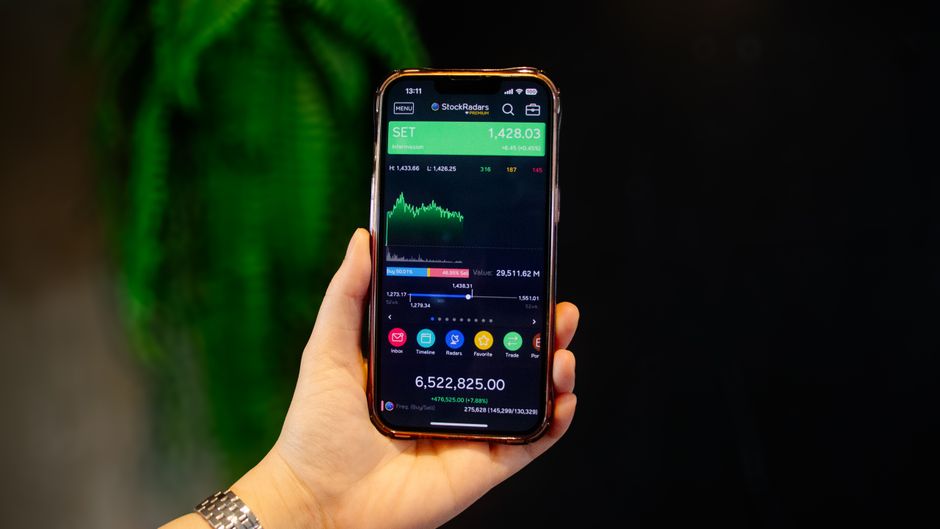
The **Altcoin Season Index (ASI)** chart is a quantitative tool that measures whether the market is in an altcoin season or Bitcoin season. The index tracks the performance of the top 50 altcoins (excluding stablecoins) against Bitcoin over the previous 90 days. When 75% or more of the top 50 altcoins outperform Bitcoin during this period, the market is considered to be in altcoin season.
The ASI chart is constructed using daily price data from major cryptocurrency exchanges. Each of the top 50 altcoins by market capitalization is compared to Bitcoin’s performance. The index calculates the percentage of these altcoins that have gained more value than Bitcoin over the rolling 90-day window. This methodology provides a clear, objective measure of market conditions.
Interpreting the ASI chart requires understanding its key components. A reading above 75 indicates altcoin season—favorable conditions for holding and trading alternative cryptocurrencies. A reading below 25 suggests Bitcoin season, when capital preservation in BTC may be prudent. Readings between 25-75 represent neutral or transitional market conditions. The chart typically displays color coding: green zones for altcoin season, red for Bitcoin season, and yellow for neutral territory. Trend direction matters as much as the absolute reading—rising ASI suggests building altcoin momentum.
Analyzing Altcoin Market Cycles
Market cycles are fundamental to cryptocurrency investing success. These cycles consist of four phases: accumulation (smart money buying), markup (public participation), distribution (smart money selling), and markdown (price decline). Understanding where altcoins sit within these cycles helps investors time entries and exits. The altcoin market tends to amplify Bitcoin’s cycles with greater volatility in both directions.
Several techniques help identify and analyze market cycles. **On-chain metrics** like exchange inflows and outflows reveal accumulation or distribution patterns. Social sentiment indicators measure retail enthusiasm, which typically peaks near cycle tops. Technical analysis tools including moving averages, RSI, and MACD help identify trend strength and potential reversals. Volume analysis confirms whether price movements have genuine participation or represent weak momentum.
Case studies demonstrate successful cycle-based investing. During the 2020 accumulation phase, investors who identified Chainlink’s base-building pattern between $2-$4 captured its subsequent rise to $52. Similarly, recognizing Polygon’s accumulation at $0.02-$0.10 before its 2021 markup to $2.92 required understanding cycle positioning. These investments succeeded not through prediction but through systematic analysis of accumulation patterns, fundamentals, and market cycle timing. Risk management through position sizing and stop-losses remains critical.
Top Altcoins to Watch During Altcoin Season
Certain categories of altcoins have historically outperformed during altcoin seasons. **Layer-1 blockchain competitors** to Ethereum—such as Solana, Avalanche, and Cardano—often lead rallies as investors seek the next major platform. These projects benefit from narrative momentum around scalability and lower transaction costs. DeFi tokens also perform strongly as decentralized finance activity increases with market enthusiasm.
**Smart contract platforms** with active developer ecosystems typically see strong performance. Projects demonstrating real user growth, total value locked (TVL) increases, and partnership announcements tend to outpace the broader market. Mid-cap altcoins (ranked 20-100 by market cap) often provide better risk-reward ratios than both large-caps and micro-caps during altcoin season, combining reasonable liquidity with significant upside potential.
Factors contributing to altcoin success during these periods include technological differentiation, strong community engagement, institutional partnerships, and exchange listings on major platforms. Coins with clear use cases, transparent development teams, and regular protocol upgrades demonstrate staying power beyond short-term hype. Current market conditions favor projects solving real problems in areas like scalability, interoperability, and user experience. However, past performance never guarantees future results, and thorough research remains essential.
| Altcoin Category | Historical Season Performance | Risk Level | Liquidity |
|---|---|---|---|
| Layer-1 Platforms | 300-800% average gains | High | High |
| DeFi Tokens | 200-600% average gains | Very High | Medium |
| Mid-cap (20-100) | 400-1200% average gains | Very High | Medium-Low |
| Large-cap (5-20) | 100-300% average gains | Medium-High | High |
Risks and Challenges of Investing in Altcoins
Altcoin investing carries substantial risks that exceed Bitcoin’s volatility. Most altcoins experience **70-95% drawdowns** from peak prices, even during broader bull markets. The majority of altcoins from previous cycles have lost 90%+ of their value and never recovered. Liquidity risk is significant—smaller altcoins can become difficult to sell during market panics without accepting steep discounts. This creates potential for total capital loss.
Regulatory uncertainty poses ongoing challenges. The SEC’s classification of certain tokens as securities creates legal and delisting risks. International regulatory actions can suddenly impact altcoin availability on major exchanges. Smart contract vulnerabilities and protocol exploits have resulted in billions in losses. Team abandonment, rug pulls, and outright scams remain prevalent, particularly among newer, unproven projects.
Investors face psychological challenges during altcoin seasons. **Fear of missing out (FOMO)** drives poor entry timing at peak prices. Confirmation bias leads investors to ignore warning signs. The rapid pace of altcoin rallies creates pressure to chase performance, often resulting in buying high and selling low. Best practices include never investing more than you can afford to lose, maintaining strict position size limits (typically 1-5% per altcoin), setting predetermined exit targets, and avoiding leverage. Dollar-cost averaging reduces timing risk compared to lump-sum investments.
Practical Tips for Navigating Altcoin Season
Creating a diversified altcoin portfolio requires strategic allocation across market capitalizations and use cases. A balanced approach might include 40% in established large-cap altcoins (Ethereum, BNB), 40% in promising mid-caps with strong fundamentals, and 20% in higher-risk small-caps with significant upside potential. Never concentrate more than 10% of total crypto holdings in any single altcoin outside of Bitcoin and Ethereum.
**Identifying promising altcoins** involves multiple research vectors. Evaluate the project’s technology and innovation, team credentials and transparency, tokenomics and supply dynamics, community size and engagement, partnerships and integrations, and competitive positioning. Avoid common pitfalls including investing based solely on social media hype, ignoring token unlock schedules that create future selling pressure, and chasing coins that have already pumped 500%+ in days. Use exchanges with strong security track records and enable two-factor authentication.
Staying informed requires following multiple information sources. Monitor on-chain analytics platforms, read project documentation and development updates, track regulatory news from reliable sources, and follow experienced analysts who provide data-driven insights rather than price predictions. Set alerts for significant price movements and news events. Reassess holdings monthly—projects that no longer meet your investment criteria should be exited regardless of emotional attachment. The ability to adapt to changing market conditions separates successful long-term investors from those who experience boom-bust cycles.
Frequently Asked Questions
Q: What is the difference between an altcoin season and a bitcoin season?
A: **Altcoin season** occurs when 75% or more of the top 50 altcoins outperform Bitcoin over a 90-day period, indicating capital rotation from BTC into alternative cryptocurrencies. **Bitcoin season** is the opposite condition, where Bitcoin captures most market gains and altcoins underperform or decline relative to BTC. During Bitcoin season, BTC dominance increases as investors seek relative safety in the most established cryptocurrency. These seasons alternate based on market psychology, capital flows, and broader crypto adoption trends.
Q: How can I use the Altcoin Season Index chart to make informed investment decisions?
A: Monitor the ASI chart for trend direction and absolute readings. When the index rises above 75 and trends upward, consider gradually increasing altcoin exposure while maintaining core Bitcoin holdings. Conversely, when the index falls below 25 or shows declining momentum from high levels, reduce altcoin positions and rotate capital back to Bitcoin or stablecoins. Use the index as one input alongside fundamental analysis and risk management rules—never as a standalone trading signal. Historical patterns show the index can remain in one zone for extended periods before reversing.
Q: What are some of the most successful altcoins to invest in during altcoin season?
A: Historically, **layer-1 smart contract platforms** and DeFi tokens have led altcoin season rallies. However, specific coins change between cycles based on technological developments and market narratives. Focus on projects with active development, growing user bases, clear use cases, and strong tokenomics rather than chasing past winners. Mid-cap altcoins (ranked 20-100) often provide better risk-reward ratios than top-10 coins or micro-caps. Research current market leaders in categories like scalability solutions, decentralized exchanges, and cross-chain infrastructure.
Q: How can I mitigate the risks associated with investing in altcoins?
A: Implement strict **position sizing**—never allocate more than 1-5% of your crypto portfolio to any single altcoin. Set predetermined exit targets for both profits (taking partial gains at 100%, 200%, etc.) and losses (selling if down 20-30% from entry). Avoid leverage entirely, as altcoin volatility can trigger liquidations quickly. Diversify across multiple altcoin categories rather than concentrating in one sector. Keep 40-60% of crypto holdings in Bitcoin and stablecoins as portfolio anchors. Regularly rebalance by taking profits from winners and cutting losses from underperformers.
—
**Risk Disclaimer:** Cryptocurrency investments are highly volatile and speculative. Altcoins carry substantially higher risk than Bitcoin, with potential for total loss of capital. This article provides educational information only and does not constitute financial advice, investment recommendations, or encouragement to buy or sell any specific cryptocurrency. Past performance of altcoins during previous market cycles does not guarantee future results. Always conduct thorough research, understand the risks, never invest more than you can afford to lose, and consider consulting with a qualified financial advisor before making investment decisions. Cryptocurrency regulations vary by jurisdiction and may impact accessibility and legal treatment of digital assets.
Charting & Exchange Resources
| Platform | Use Case | Key Feature | Fee Model | Action |
|---|---|---|---|---|
| TradingView | Charting & technical analysis | Indicators, multi-timeframe charts | Free / Pro tiers | View Platform |
| Coinbase | Exchange (beginner-friendly) | Simple USD on-ramp, educational tools | Varies by region | View Platform |
| Binance | Exchange (advanced pairs) | Wide altcoin coverage, spot markets | Varies by region | View Platform |
Affiliate Disclosure: This post contains affiliate links. We may earn a commission if you buy through our links, at no extra cost to you. Investment Risk Disclaimer: Cryptocurrency and digital asset markets are highly volatile. This content is for informational and educational purposes only and is not financial, investment, or trading advice. You may lose some or all of your capital. Do your own research and consult a licensed financial advisor before making investment decisions.
Leave a Reply