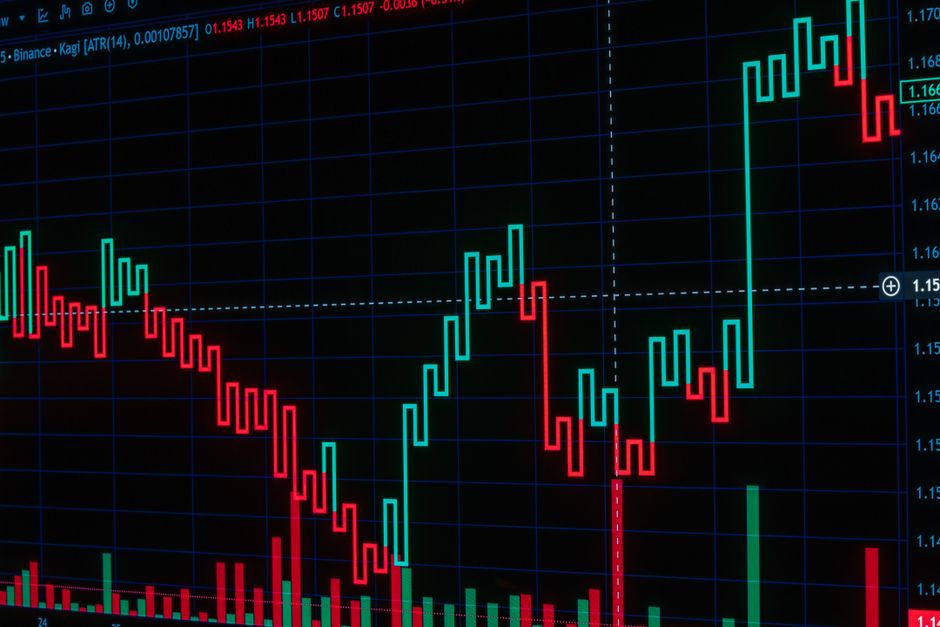
Market Overview
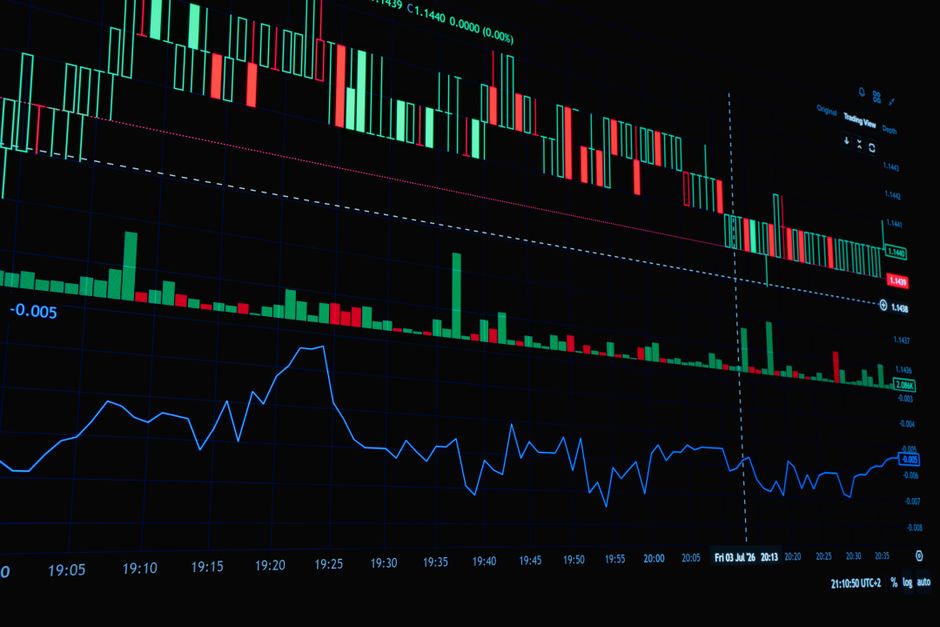
The cryptocurrency landscape in 2026 continues to evolve rapidly, with **altcoins** representing thousands of alternatives to Bitcoin. The total crypto market capitalization has matured beyond early speculation phases, yet volatility remains a defining characteristic. Understanding the distinction between Bitcoin, altcoins, and tokens is essential for US investors navigating this space.
**Bitcoin** serves as digital gold—a store of value with the longest track record and largest market cap. **Altcoins** encompass everything else, from established platforms like Ethereum to emerging layer-1 blockchains and niche protocol tokens. **Tokens** typically run on existing blockchains rather than maintaining independent networks. This hierarchy matters because infrastructure coins face different risk profiles than application-layer tokens.
Blockchain technology underpins all these assets through distributed ledger systems that record transactions across decentralized networks. Smart contract platforms like Ethereum enable programmable money and decentralized applications, creating utility beyond simple value transfer. Layer-2 scaling solutions and interoperability protocols now address earlier limitations around transaction speed and cost, expanding practical use cases for altcoins in 2026.
Altcoin Fundamentals
Altcoins emerged shortly after Bitcoin’s 2009 launch as developers experimented with modified blockchain parameters and new consensus mechanisms. The term literally means “alternative coins”—cryptocurrencies that offer different technical approaches, governance models, or use cases compared to Bitcoin’s peer-to-peer cash vision. Today’s altcoin universe includes established platforms, experimental protocols, and countless speculative tokens.
**Ethereum** pioneered smart contracts and remains the dominant altcoin by market cap and developer activity. Its proof-of-stake consensus and extensive DeFi ecosystem make it functionally different from Bitcoin. **Litecoin** offers faster block times with similar code to Bitcoin, positioning itself as digital silver for everyday transactions. **Ripple (XRP)** targets institutional payment rails with pre-mined supply and centralized validator control—a controversial design that emphasizes speed over decentralization.
Other categories include privacy coins like Monero, stablecoins pegged to fiat currencies, exchange tokens that provide trading fee discounts, governance tokens for decentralized protocols, and meme coins driven purely by community speculation. Each category serves different market niches with distinct technical trade-offs. The altcoin ecosystem provides testing grounds for blockchain innovations that may eventually influence Bitcoin or establish independent value propositions.
Investment Risks and Considerations
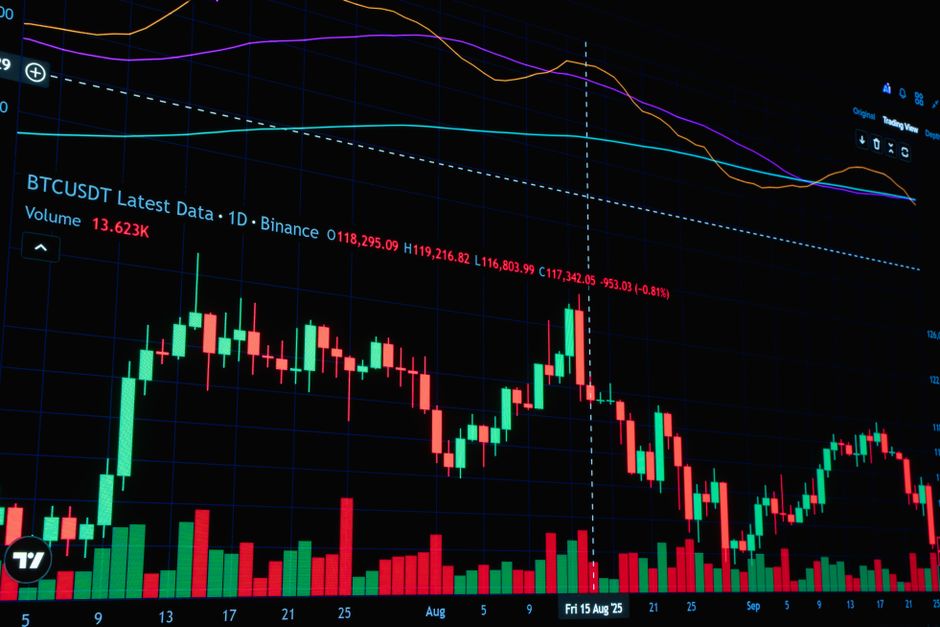
Altcoin investing carries substantially higher risk than traditional assets or even Bitcoin. **Price volatility** routinely exceeds 20-30% weekly swings, with smaller-cap altcoins experiencing 50%+ drops in single sessions during market corrections. This volatility stems from lower liquidity, speculative positioning, and rapid sentiment shifts across crypto-native trading communities. Leverage trading amplifies these moves, creating liquidation cascades that compound downward pressure.
**Scams and fraudulent projects** proliferate in altcoin markets due to low barriers to token creation and limited investor protections. Common schemes include pump-and-dump coordination, rug pulls where developers drain liquidity pools, fake team credentials, plagiarized whitepapers, and Ponzi-structured tokenomics promising unsustainable yields. Due diligence requires verifying team backgrounds, auditing smart contract code, checking token distribution transparency, and confirming genuine product development beyond marketing promises.
**Regulatory uncertainty** remains a critical risk factor for US investors in 2026. The SEC continues classifying many altcoins as unregistered securities, creating legal jeopardy for exchanges listing them and investors holding them. Tax reporting requirements treat crypto as property, generating taxable events on every trade and requiring meticulous record-keeping. State-level money transmission laws add compliance complexity for projects and platforms. International regulatory divergence means altcoins available on offshore exchanges may not be accessible to US residents through compliant platforms.
Analyzing Altcoin Performance
Effective altcoin analysis requires combining multiple evaluation frameworks rather than relying on price charts alone. **Technical analysis** examines historical price patterns, trading volume, support and resistance levels, and momentum indicators like RSI and MACD. Chart patterns such as head-and-shoulders, ascending triangles, and Fibonacci retracements help identify potential entry and exit points, though crypto markets often violate traditional technical rules due to 24/7 trading and manipulation risks.
**Fundamental analysis** assesses an altcoin’s underlying value proposition through metrics like developer activity, network growth, transaction volume, total value locked in DeFi protocols, token emission schedules, and competitive positioning. On-chain metrics provide transparency unavailable in traditional markets—wallet distribution, exchange inflows/outflows, staking ratios, and protocol revenue all signal genuine adoption versus speculative interest. Comparing fully diluted valuation to current market cap reveals future dilution risk from token unlocks.
**Sentiment analysis** tracks social media discussions, Google search trends, exchange funding rates, and options market positioning to gauge crowd psychology. Reddit communities like r/CryptoCurrency and r/altcoin provide grassroots sentiment indicators, though distinguishing genuine conviction from coordinated shilling requires critical evaluation. Fear and Greed Index measurements help identify overheated markets or capitulation bottoms. Professional traders monitor whale wallet movements and exchange order books for institutional positioning signals that may precede major price moves.
Practical Investment Strategies
Successful altcoin investing requires disciplined risk management rather than chasing every trending token. **Diversification** across uncorrelated altcoin categories reduces portfolio volatility—combining layer-1 platforms, DeFi protocols, infrastructure tokens, and select speculative positions limits exposure to any single narrative or technical failure. Most professional crypto allocators recommend 60-70% Bitcoin and Ethereum for stability, with 20-30% allocated to diversified altcoins and 10% or less in high-risk speculative positions.
**Timing strategies** depend on individual risk tolerance and market cycle positioning. Dollar-cost averaging (DCA) systematically purchases fixed dollar amounts regardless of price, reducing timing risk and emotional decision-making. Accumulating during bear markets when sentiment turns negative often provides better risk-reward than buying strength during euphoric rallies. Setting predetermined profit-taking levels prevents greed-driven hold decisions—many successful traders recommend selling 25-50% of positions after 2-3x gains to secure profits while maintaining upside exposure.
**Portfolio rebalancing** maintains target allocations as individual holdings outperform or underperform. Quarterly rebalancing forces selling winners and buying losers, systematically implementing buy-low-sell-high discipline. Stop-loss orders limit downside damage from unexpected crashes, though crypto volatility sometimes triggers stops before reversals occur. Hardware wallet storage protects long-term holdings from exchange hacks and bankruptcies, while keeping trading portions on exchanges enables rapid execution. Tax-loss harvesting in December captures capital losses to offset gains, improving after-tax returns.
Case Studies and Success Stories
Early **Ethereum investors** who purchased during the 2014 ICO at $0.30 saw returns exceeding 15,000% at peak prices above $4,800. The success stemmed from recognizing smart contract utility before mainstream adoption and holding through multiple 80%+ drawdowns. However, timing mattered enormously—investors who bought Ethereum’s 2021 peak at $4,800 experienced 75% losses during the subsequent bear market. This illustrates altcoin investing’s binary outcomes between life-changing gains and devastating losses.
**Solana** delivered 100x+ returns from March 2021 lows around $1 to November 2021 highs near $260, rewarding investors who identified its speed advantages and ecosystem growth early. The narrative around “Ethereum killer” platforms drove speculative positioning, though subsequent network outages and FTX collapse association caused 95%+ declines. Successful Solana traders took substantial profits during the euphoric phase rather than holding through the reversal, demonstrating the importance of exit discipline in momentum-driven altcoin rallies.
Failure case studies provide equally valuable lessons. **Terra/LUNA** collapsed from $116 to effectively zero in May 2022 when its algorithmic stablecoin mechanism death-spiraled, wiping out $40+ billion in market cap within days. Investors who ignored warnings about unsustainable yield farming rewards and flawed economic design experienced total losses. **BitConnect** operated a Ponzi scheme promising 1% daily returns before collapsing in 2018, demonstrating how guaranteed-return claims should trigger immediate skepticism. These cautionary examples underscore the necessity of understanding tokenomics and dismissing projects that violate basic economic logic.
Staying Informed and Up-to-Date
Cryptocurrency markets operate 24/7 with news-driven volatility, making information advantage critical for altcoin investors. **Reddit communities** like r/CryptoCurrency aggregate breaking news, technical analysis, and project discussion, though quality varies dramatically between researched posts and speculative hype. Sorting by controversial often surfaces contrarian viewpoints worth considering before following crowd momentum. r/altcoin specifically focuses on non-Bitcoin cryptocurrencies, providing focused discussion on emerging projects and market trends.
**Reliable information sources** include CoinDesk and CoinTelegraph for breaking news, Messari and Glassnode for on-chain analytics, and individual project documentation for technical specifications. Twitter remains the primary real-time information channel where developers announce updates and traders share analysis, though misinformation and paid promotion blur credibility. Podcasts like Bankless and Unchained provide long-form interviews with project founders and industry analysis. YouTube channels offer chart analysis and market commentary, though many operate affiliate-driven pump schemes requiring critical evaluation.
**Due diligence resources** beyond social media include GitHub repositories showing actual development activity, protocol documentation explaining technical architecture, audit reports from firms like CertiK or Trail of Bits verifying smart contract security, and tokenomics documentation detailing supply schedules and distribution. Cross-referencing multiple sources prevents falling for coordinated misinformation campaigns. Setting Google Alerts for project names catches regulatory actions or security incidents. Professional investors increasingly use paid analytics platforms like Nansen or Dune Analytics for institutional-grade on-chain intelligence that retail investors often miss relying solely on free social media content.
Investment Risk Disclaimer
**Cryptocurrency investments carry extreme risk of total capital loss.** Altcoins are highly volatile, speculative assets unsuitable for risk-averse investors or funds needed for near-term obligations. This article provides educational information only—not personalized financial, investment, tax, or legal advice. Market conditions change rapidly, rendering analysis obsolete within days or weeks. Regulatory actions may render certain altcoins illegal or worthless for US investors without warning.
Past performance provides no guarantee of future results. Many altcoins that delivered spectacular returns subsequently lost 90%+ of their value. Scams, hacks, protocol failures, regulatory enforcement, and macroeconomic conditions create non-diversifiable risks affecting entire crypto markets simultaneously. Never invest more than you can afford to lose completely. Consult qualified financial advisors familiar with cryptocurrency taxation and regulations before making investment decisions. Conduct independent research beyond any single information source, including this article.
Frequently Asked Questions
Q: What are the most promising altcoins to invest in for 2026?
A: Promising altcoins in 2026 discussions on Reddit and crypto forums frequently mention **Ethereum** for its established DeFi ecosystem and upcoming protocol upgrades, **Solana** for high-throughput applications despite past network issues, **Chainlink** for oracle infrastructure connecting blockchains to real-world data, and **Polygon** for Ethereum scaling solutions. Emerging layer-1 platforms like **Sui** and **Aptos** attract attention for technical innovations, though they carry higher risk as newer projects. No altcoin guarantees returns—thorough research into specific use cases, team credentials, tokenomics, and competitive positioning is essential before allocating capital.
Q: How can I minimize my risk when investing in altcoins?
A: Risk mitigation starts with **position sizing**—never allocate more than 5-10% of investable assets to any single altcoin, and limit total crypto exposure to what you can lose without affecting financial stability. **Diversification** across multiple blockchain categories reduces correlation risk. **Dollar-cost averaging** spreads entry prices across time, reducing timing risk. Use **hardware wallets** for long-term storage to prevent exchange hack losses. Set **stop-loss orders** at predetermined levels to limit downside. **Take profits** systematically rather than holding through entire cycles. Verify project legitimacy through audited smart contracts, transparent team backgrounds, and genuine product usage rather than marketing promises alone.
Q: What are the key factors that influence the success or failure of an altcoin investment?
A: Success factors include **genuine utility** solving real problems rather than speculative narratives alone, **strong developer activity** shown through GitHub commits and protocol upgrades, **growing user adoption** measured by transaction volume and active addresses, **favorable tokenomics** with limited inflation and fair distribution, **security track record** without major hacks or exploits, and **regulatory clarity** avoiding securities classification issues. Failure often results from **flawed economic design** promising unsustainable yields, **team abandonment** or fraud, **superior competition** making the project obsolete, **regulatory enforcement** shutting down operations, or **timing misfortune** buying during euphoric peaks. Thorough research, realistic expectations, and disciplined risk management separate successful altcoin investors from those who suffer devastating losses.
Charting & Exchange Resources
| Platform | Use Case | Key Feature | Fee Model | Action |
|---|---|---|---|---|
| TradingView | Charting & technical analysis | Indicators, multi-timeframe charts | Free / Pro tiers | View Platform |
| Coinbase | Exchange (beginner-friendly) | Simple USD on-ramp, educational tools | Varies by region | View Platform |
| Binance | Exchange (advanced pairs) | Wide altcoin coverage, spot markets | Varies by region | View Platform |
Affiliate Disclosure: This post contains affiliate links. We may earn a commission if you buy through our links, at no extra cost to you. Investment Risk Disclaimer: Cryptocurrency and digital asset markets are highly volatile. This content is for informational and educational purposes only and is not financial, investment, or trading advice. You may lose some or all of your capital. Do your own research and consult a licensed financial advisor before making investment decisions.
Leave a Reply