Altcoin Volatility: Understanding Market Risks and Managing Investments
Altcoins remain among the most volatile assets in financial markets, with price swings of 20% or more occurring within hours. For US investors exploring opportunities beyond Bitcoin and Ethereum in 2026, understanding volatility drivers is essential before committing capital. This guide examines the mechanics behind altcoin price fluctuations, practical risk management strategies, and common pitfalls that drain beginner portfolios. **Cryptocurrency investments carry substantial risk of loss**—this analysis provides educational context, not personalized financial advice.
Volatility creates both opportunity and danger. While some altcoins have delivered triple-digit percentage gains during bull cycles, others have lost 90% of their value in weeks. The difference between profitable trades and devastating losses often comes down to preparation, diversification, and realistic expectations about market behavior.
What Causes Altcoin Volatility?
Altcoin price instability stems from structural market factors that differ significantly from traditional assets. **Low liquidity** tops the list—many altcoins trade less than $5 million daily volume across all exchanges. When a single large order hits the order book, it can move prices 10-15% instantly because there aren’t enough buy or sell orders to absorb the impact.
**Market capitalization** amplifies this effect. A coin with $50 million total market cap can experience wild swings from relatively modest trading activity. Compare this to Bitcoin’s multi-hundred-billion-dollar market cap, where the same dollar volume creates minimal price movement. Smaller coins lack the stabilizing cushion of deep liquidity pools.
**Speculative trading** dominates altcoin markets more than fundamental valuation. Traders chase momentum, memes, and influencer endorsements rather than analyzing project utility or adoption metrics. This herd behavior creates parabolic rallies followed by equally dramatic crashes when sentiment shifts. Social media hype cycles—especially on platforms like Reddit and Twitter—can pump coins 300% in days, then erase those gains just as quickly.
**Regulatory uncertainty** injects external volatility shocks. When the SEC announces enforcement actions or Congress debates crypto legislation, entire market segments can drop 20-40% as traders price in compliance costs and potential exchange delistings. US regulatory clarity remains incomplete in 2026, leaving altcoin investors exposed to sudden policy shifts.
Strategies for Managing Altcoin Volatility
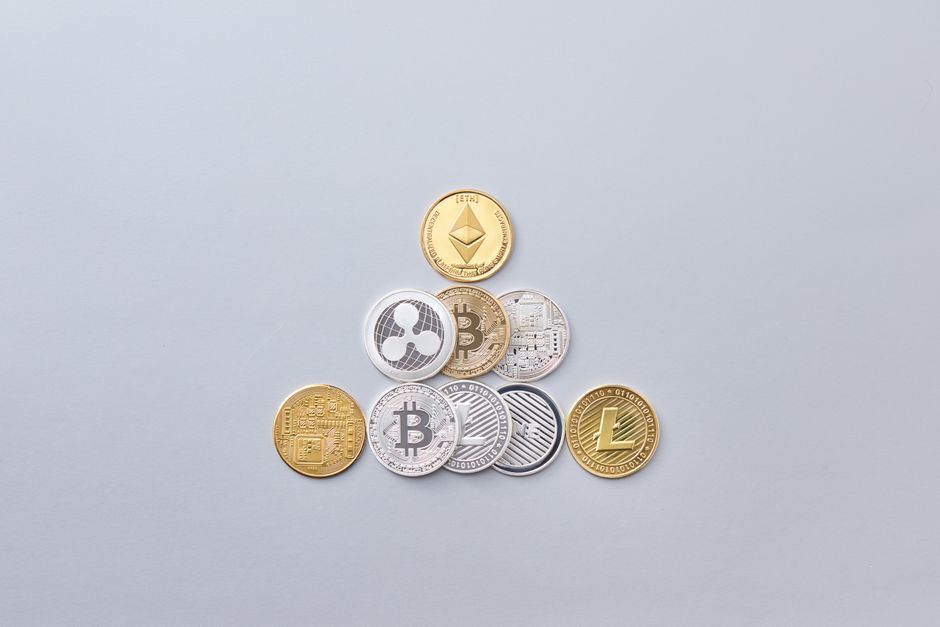
Effective risk management transforms volatility from existential threat to manageable variable. **Portfolio diversification** serves as the foundational defense—spreading capital across 8-12 different altcoins with distinct use cases (DeFi protocols, Layer-2 scaling solutions, privacy coins) reduces single-asset catastrophe risk. If one project fails or gets delisted, it represents 8-12% of holdings rather than a total loss.
Mix market caps strategically. Allocate 40-50% to established mid-cap altcoins with proven track records, 30-40% to higher-risk small-caps with growth potential, and 10-20% to ultra-speculative micro-caps. Never put more than 5% of your total crypto portfolio into any single altcoin, regardless of conviction level.
**Stop-loss orders** automate damage control when prices move against you. Set stop-losses 15-25% below your entry price depending on the coin’s typical volatility profile. More volatile coins need wider stops to avoid getting shaken out by normal price noise. Use trailing stops during bull runs to lock in profits—if a coin rallies 100%, move your stop-loss up to break-even or slight profit to protect gains.
**Position sizing** matters more than most beginners realize. Risk only 2-3% of your total portfolio value on any single altcoin trade. This means if you have $10,000 allocated to crypto, no single altcoin position should risk more than $200-300 in potential loss. This approach lets you survive 10+ wrong trades in a row without depleting your capital.
Stay informed through **multiple independent sources**—not just Reddit threads or Telegram groups. Monitor CoinDesk, Messari research reports, on-chain analytics from Glassnode or Nansen, and official project development updates on GitHub. Cross-reference claims about partnerships, technical milestones, or adoption metrics before trading on news.
Navigating Altcoin Volatility During Bull Markets
Bull markets amplify both gains and mistakes. **Identifying bull trends** requires looking beyond price action to broader market structure. Sustained increases in Bitcoin dominance followed by money rotating into large-cap altcoins signals early-stage bull movement. When established projects like Chainlink, Polygon, or Avalanche post consistent higher lows over 8-12 weeks, capital is likely flowing into the broader altcoin market.
Volume patterns confirm trend strength. Genuine bull phases show increasing trading volume on up-days and decreasing volume on pullbacks—the opposite pattern (high volume on down-days) suggests distribution and impending reversal. Check exchange data across Coinbase, Kraken, and Binance.US to verify volume trends aren’t isolated to one platform.
**Adjusting strategies for growth periods** means resisting the temptation to chase every pump. Bull markets create FOMO (fear of missing out) that drives poor decisions. Set predetermined profit targets—for example, taking 25% of a position off the table at 2x gains, another 25% at 3x, and letting the remainder ride with a trailing stop. This locks in realized gains rather than watching paper profits evaporate.
Rebalance positions as market caps shift. A small-cap that rallies 500% may now represent 30% of your portfolio instead of the intended 8%. Trim oversized positions back to target allocations and redeploy capital into lagging sectors or take profits to stablecoins. Bull markets don’t last forever—preservation becomes more important than maximization past certain gain thresholds.
**Balancing risk and reward** during euphoric phases requires contrarian discipline. When Reddit threads fill with “guaranteed 100x” claims and every altcoin seems to be rallying, that’s when experienced traders start scaling out of positions. The highest-risk period of bull markets comes at the end, when retail FOMO peaks and institutional investors begin rotating to safer assets. Set calendar reminders to review positions weekly and tighten stop-losses as rallies mature.
Common Mistakes Made by Beginner Altcoin Investors
New altcoin investors repeatedly fall into predictable traps that destroy capital. **Investing based on hype** rather than fundamentals tops the list. Social media shilling, influencer promotions, and Reddit upvotes create artificial excitement disconnected from project viability. Coins pumped by coordinated groups often lack working products, experienced development teams, or real-world adoption—they exist purely for speculation.
Conduct basic due diligence before buying any altcoin. Check the project’s whitepaper, verify the team’s credentials and history, review GitHub commit activity to confirm active development, and analyze token economics. If a coin promises unrealistic returns (“guaranteed 10x in 30 days”) or lacks transparent team information, it’s likely a pump-and-dump scheme.
**Buying at peak popularity** turns potential profits into immediate losses. By the time an altcoin trends on Twitter or hits mainstream news coverage, early investors are often taking profits and exiting positions. The crowd buying at euphoric tops becomes exit liquidity for smart money. Price charts frequently show parabolic blow-off tops followed by 60-80% corrections within days.
Learn to recognize late-stage rally characteristics: vertical price charts with no consolidation, mainstream media coverage, celebrities or influencers suddenly promoting the coin, and Reddit threads filled with rocket emojis rather than technical discussion. These signals suggest you’re late to the move—wait for pullbacks or skip the trade entirely.
**Failing to diversify** concentrates risk unnecessarily. Putting 50-100% of crypto capital into a single altcoin because of strong conviction ignores market reality—even legitimate projects fail, get hacked, face regulatory crackdowns, or lose developer support. One catastrophic loss can wipe out years of gains. Diversification across multiple projects, use cases, and market cap tiers provides survival insurance.
Avoid portfolio overlap—holding five different DeFi lending protocols isn’t diversification, it’s concentrated sector exposure. Mix categories: Layer-1 blockchains, DeFi applications, NFT infrastructure, privacy coins, and oracle networks. Geographic and regulatory diversification also matters—balance US-compliant projects with international alternatives.
Practical Tips for New Altcoin Traders
**Understanding trading basics** starts with exchange mechanics. US traders should use regulated platforms like Coinbase Pro, Kraken, or Gemini for major altcoins, which offer FDIC insurance on USD deposits and regulatory compliance. For smaller-cap altcoins unavailable on US exchanges, international platforms like KuCoin or Gate.io provide access—but understand these carry higher custody risk and lack US regulatory protections.
Learn order types beyond simple market buys. **Limit orders** let you set exact entry prices and avoid slippage on low-liquidity coins. **Dollar-cost averaging** (DCA) spreads purchases over weeks or months, smoothing out volatility. Instead of buying $1,000 of an altcoin today, invest $250 weekly for four weeks to reduce timing risk.
Understand **trading pairs and routing**. Many altcoins trade primarily against Bitcoin (BTC) or Ethereum (ETH) rather than USD directly. This means your altcoin position is exposed to both the altcoin’s price movement AND the base pair’s movement. If you buy an altcoin with Bitcoin, you need the altcoin to outperform Bitcoin to profit—matching Bitcoin’s gains means breaking even.
**Setting up secure infrastructure** prevents theft and exchange failures from destroying your holdings. Never leave significant funds on exchanges longer than necessary for active trading. Move long-term holdings to **hardware wallets** like Ledger or Trezor, which store private keys offline away from hackers. Enable two-factor authentication (2FA) using authenticator apps like Google Authenticator or Authy—never SMS-based 2FA, which is vulnerable to SIM-swap attacks.
Keep detailed records for US tax compliance. The IRS treats cryptocurrency as property—every trade, even crypto-to-crypto swaps, creates a taxable event. Use portfolio tracking tools like CoinTracking or Koinly to automatically log transactions and generate tax reports. Failing to report crypto gains can trigger audits and penalties.
**Developing long-term strategy** separates sustainable investing from gambling. Define clear goals: are you building long-term positions in projects you believe will exist in five years, or trading short-term volatility for quick profits? These require completely different approaches. Long-term holders focus on project fundamentals, team credibility, and adoption metrics. Short-term traders prioritize technical analysis, volume patterns, and momentum indicators.
Create a written investment thesis for each position explaining why you bought, what would invalidate the thesis (price targets or fundamental changes), and predetermined exit conditions. Review these monthly to stay disciplined. Emotional attachment to losing positions destroys more capital than bad initial decisions—be willing to cut losses when your thesis proves wrong.
Set realistic expectations about returns and timeframes. While altcoins can deliver life-changing gains, most retail traders lose money due to poor timing, excessive leverage, and emotional decision-making. Start with small position sizes while learning—consider your first 6-12 months tuition for market education rather than expecting immediate profits.
Risk Disclaimer
Cryptocurrency markets are highly volatile and speculative. Altcoin prices can fluctuate dramatically based on market sentiment, regulatory changes, technical failures, or security breaches. **You can lose your entire investment**. This article provides educational information about market dynamics and risk management strategies—it does not constitute financial advice, investment recommendations, or encouragement to buy specific coins.
Conduct your own research, understand the technology and risks, and never invest more than you can afford to lose completely. Consider consulting a financial advisor familiar with cryptocurrency markets before making investment decisions. Past performance of any altcoin does not predict future results. US investors should verify the regulatory status of any cryptocurrency or exchange before trading.
Frequently Asked Questions
What factors contribute to the high volatility of altcoins?
A: Low liquidity, small market capitalization, and speculative trading behavior are the primary drivers of altcoin volatility. Many altcoins trade less than $5 million daily volume, meaning individual large orders can move prices 10-15% instantly. Speculative trading based on social media hype rather than fundamental analysis creates dramatic boom-bust cycles. Regulatory uncertainty adds external shocks when government agencies announce enforcement actions or new legislation.
How can I protect myself from losses due to altcoin volatility?
A: Diversify your portfolio across 8-12 different altcoins with distinct use cases and market caps—never risk more than 5% of total holdings in any single coin. Use stop-loss orders placed 15-25% below entry prices to automatically limit downside. Take partial profits at predetermined levels during rallies (for example, selling 25% at 2x gains, another 25% at 3x). Stay informed through multiple independent sources like CoinDesk, Messari, and on-chain analytics platforms rather than relying solely on social media. Most importantly, only invest capital you can afford to lose completely.
What should beginners know before investing in altcoins?
A: Understand that cryptocurrency trading is high-risk and most retail traders lose money. Start with regulated US exchanges like Coinbase, Kraken, or Gemini that offer basic consumer protections. Learn to conduct basic due diligence—check project whitepapers, verify team credentials, review GitHub development activity, and analyze token economics before buying. Avoid investing based on hype, celebrity endorsements, or promises of guaranteed returns. Use hardware wallets for long-term storage and maintain detailed transaction records for tax reporting. Begin with small position sizes while learning market dynamics, and develop a written strategy with clear entry and exit criteria before making trades.
Charting & Exchange Resources
| Platform | Use Case | Key Feature | Fee Model | Action |
|---|---|---|---|---|
| TradingView | Charting & technical analysis | Indicators, multi-timeframe charts | Free / Pro tiers | View Platform |
| Coinbase | Exchange (beginner-friendly) | Simple USD on-ramp, educational tools | Varies by region | View Platform |
| Binance | Exchange (advanced pairs) | Wide altcoin coverage, spot markets | Varies by region | View Platform |
Affiliate Disclosure: This post contains affiliate links. We may earn a commission if you buy through our links, at no extra cost to you. Investment Risk Disclaimer: Cryptocurrency and digital asset markets are highly volatile. This content is for informational and educational purposes only and is not financial, investment, or trading advice. You may lose some or all of your capital. Do your own research and consult a licensed financial advisor before making investment decisions.
Leave a Reply