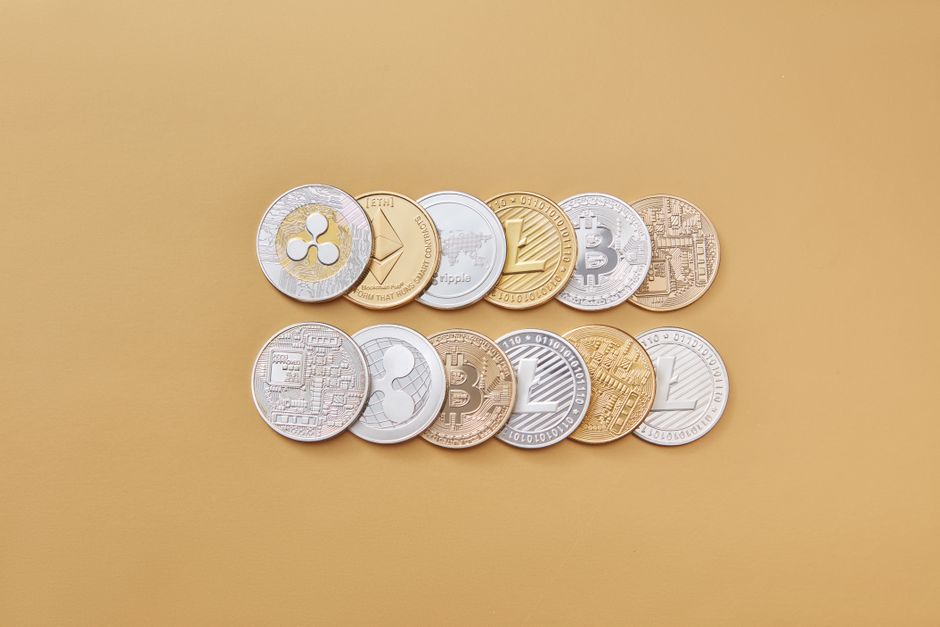
What Are Altcoins and Why Do Investors Consider Them?
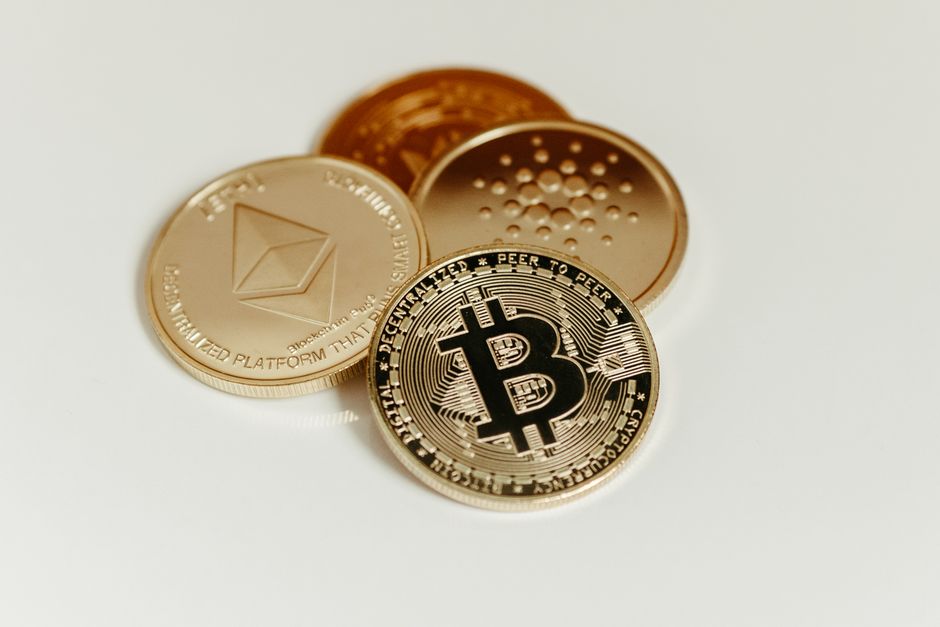
**Altcoins** — short for “alternative coins” — are any cryptocurrencies other than Bitcoin (BTC). The category is vast, covering everything from Ethereum (ETH), the second-largest crypto by market cap, to thousands of smaller, niche tokens built for specific use cases. When Reddit threads ask about the **best altcoins 2026**, they’re really asking: which projects outside of Bitcoin have enough real-world utility, developer activity, and community backing to survive and grow?
The appeal of altcoins lies in portfolio diversification. Bitcoin dominates the market, but its sheer size means percentage gains are harder to achieve at scale. Altcoins — especially mid- and small-cap projects — can move significantly faster in both directions. That asymmetry is exactly what attracts new investors, and exactly what makes them dangerous if you don’t understand what you’re buying.
Before exploring what Reddit communities are discussing for 2026, it’s worth being direct: **no altcoin is a guaranteed winner**. Many projects that topped Reddit recommendation lists in 2021 and 2022 lost 90%+ of their value. This guide focuses on analytical frameworks and community-sourced patterns, not price predictions.
—
Understanding Crypto Market Trends Heading Into 2026
Several structural forces are shaping the altcoin market as 2026 approaches. First, the **Bitcoin halving cycle** — which last occurred in April 2024 — historically triggers a broader bull market that lifts altcoins roughly 6–18 months later. Analysts and Reddit traders alike point to this pattern as context for 2025–2026 altcoin interest.
Second, **regulatory clarity** in the United States has become a major factor. SEC actions, ETF approvals, and Congressional crypto bills directly affect which altcoins can operate on US-based exchanges and attract institutional capital. Projects with clear utility and legal compliance tend to hold up better in regulatory headwinds.
Third, **Layer 2 scaling solutions** — networks built on top of Ethereum to reduce fees and increase transaction speed — have moved from experimental to mainstream. Understanding where network activity and developer commits are concentrated helps analysts separate real adoption from hype cycles.
- Watch **Total Value Locked (TVL)** in DeFi protocols as a demand signal
- Track **developer activity** on GitHub for project health
- Monitor **exchange inflows/outflows** as sentiment indicators
- Follow **on-chain data** platforms like Glassnode or Nansen for behavioral trends
Beginners often make the mistake of buying after a major price spike — chasing performance rather than evaluating fundamentals. The 2022 bear market was a hard lesson in that dynamic.
—
Top Altcoins Reddit Traders Are Watching in 2026
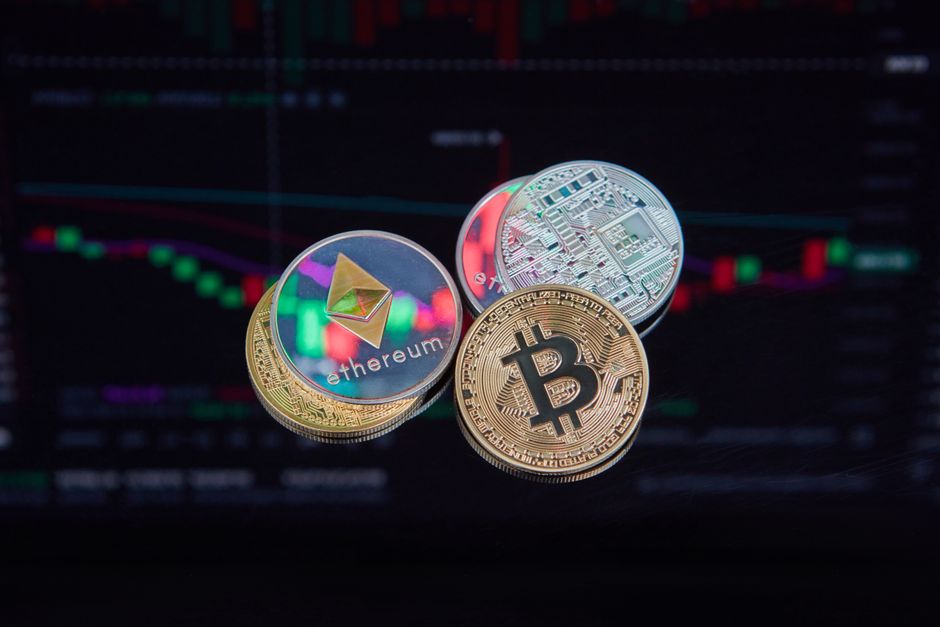
Reddit communities like r/CryptoCurrency, r/ethfinance, and r/altcoin consistently surface a mix of established large-caps and speculative smaller projects. Based on recurring community discussions and broader analyst coverage, several categories of altcoins dominate the conversation.
**Ethereum (ETH)** remains the baseline for most altcoin investors. It’s the foundational layer for decentralized finance (**DeFi**), non-fungible tokens (**NFTs**), and smart contracts. Reddit’s more experienced users treat ETH less like a speculative bet and more like infrastructure exposure.
**Solana (SOL)** recovered significantly from its 2022 collapse following the FTX exchange implosion. Its high transaction throughput and low fees have attracted developers building consumer apps, games, and payment tools. Community sentiment on Reddit shifted notably positive through 2024 as the network demonstrated resilience.
**Chainlink (LINK)** fills a specific technical role: it’s an **oracle network** that connects real-world data (like stock prices or weather data) to blockchain smart contracts. Reddit’s more technically-oriented users frequently cite it as infrastructure that benefits from the entire DeFi ecosystem growing, regardless of which specific chain wins.
**Arbitrum (ARB) and Optimism (OP)** are both Ethereum Layer 2 networks. They process transactions faster and cheaper than Ethereum’s mainnet while inheriting its security. As DeFi and on-chain activity scale, these networks see real usage — a factor Reddit analysts prioritize over speculative narratives.
| Altcoin | Primary Use Case | Network Type | Risk Level |
|---|---|---|---|
| Ethereum (ETH) | Smart contracts, DeFi base layer | Layer 1 | Medium |
| Solana (SOL) | High-speed apps, payments | Layer 1 | Medium-High |
| Chainlink (LINK) | Data oracles for smart contracts | Infrastructure | Medium |
| Arbitrum (ARB) | Ethereum scaling | Layer 2 | Medium-High |
| Optimism (OP) | Ethereum scaling | Layer 2 | Medium-High |
This table is for educational comparison only — it does not constitute investment advice or a recommendation to buy any asset.
—
Practical Tips for New Altcoin Investors
The most consistent advice across Reddit’s experienced crypto communities centers on **research before capital deployment**. Reading a project’s whitepaper — the technical document outlining its purpose, tokenomics, and roadmap — is table stakes before investing a dollar. Many retail investors skip this step entirely and rely on social media hype instead.
Understanding **blockchain fundamentals** matters more than most beginners expect. Knowing the difference between a **proof-of-work** (PoW) and **proof-of-stake** (PoS) consensus mechanism, or understanding why **token supply schedules** affect price dynamics, allows you to evaluate projects independently rather than relying on influencers.
Diversification within the altcoin space itself is important, but it carries a caveat: in severe market downturns, most altcoins are highly correlated — they fall together. A diversified altcoin portfolio is not the same as a diversified investment portfolio. Consider:
- **Position sizing**: Don’t allocate more than you’re prepared to lose entirely on any single altcoin
- **Dollar-cost averaging (DCA)**: Spreading purchases over time reduces timing risk
- **Cold storage**: For any holdings above a few hundred dollars, a hardware wallet adds significant security
- **Exchange selection**: Use regulated, US-compliant exchanges with proof-of-reserves policies
—
Avoiding Scams and Fraudulent Altcoin Projects
The altcoin market has a long history of fraudulent projects. **Rug pulls** — where developers abandon a project and drain liquidity after attracting investor funds — are common enough that Reddit communities maintain dedicated threads cataloging them. **Pump-and-dump schemes**, where coordinated groups inflate a token’s price before selling, are also prevalent, especially among micro-cap tokens.
Red flags to watch for include: anonymous teams with no verifiable track record, whitepapers that are vague or plagiarized, token distributions heavily concentrated in founding wallets, and aggressive social media marketing with little substantive technical content. If a project’s primary selling point is its price potential rather than its technology or use case, that’s a significant warning sign.
Due diligence tools that legitimate investors use:
- **Token Sniffer** or **RugDoc**: Automated contract audits for DeFi tokens
- **Etherscan / Solscan**: On-chain data to check wallet concentration
- **CoinGecko / CoinMarketCap**: Exchange listings and trading volume verification
- **Audit reports**: Legitimate projects commission third-party security audits from firms like CertiK or Hacken
Reputable US-compliant exchanges — those registered with FinCEN (the Financial Crimes Enforcement Network) and operating under state money transmitter licenses — provide an additional layer of screening, as they conduct due diligence before listing assets.
—
Managing Investment Risks in the Altcoin Market
Altcoin volatility is not a bug — it’s a defining characteristic of the asset class. A coin can gain 300% in a quarter and lose 85% in the next. The **Sharpe ratio** — a measure of risk-adjusted return — tends to be unfavorable for most altcoins compared to traditional assets, which means the returns, while sometimes spectacular, come with equally spectacular drawdowns.
Risk management strategies used by experienced traders include:
- **Stop-loss orders**: Automatically sell if a position drops by a defined percentage
- **Portfolio rebalancing**: Periodically trim winners and reallocate to maintain target allocations
- **Avoiding leverage**: Margin trading amplifies both gains and losses — beginner investors should avoid it entirely
- **Liquidity checks**: Ensure you can actually sell a position without significant slippage before buying
One principle that recurs in Reddit’s more analytical communities: **never invest borrowed money or funds you need within 12 months** in altcoins. The market can remain irrational long enough to cause real financial harm. Sizing positions based on your actual risk tolerance — not your optimism about a project — is the single most important discipline new investors can develop.
—
Lessons from Experienced Reddit Altcoin Traders
Long-time participants in communities like r/CryptoCurrency share a consistent set of hard-earned lessons. The most repeated: **selling discipline is harder than buying discipline**. It’s emotionally easy to hold through a crash hoping for recovery, and equally easy to sell too early during a rally out of fear. Neither extreme serves investors well.
Experienced traders emphasize the importance of **separating narratives from fundamentals**. A compelling story about a project’s future potential doesn’t guarantee adoption. The projects that survived the 2022 bear market and recovered were generally those with real users, real transaction volume, and real revenue — not just strong Reddit thread energy.
Common mistakes beginners make, based on community post-mortems:
- **FOMO buying** (Fear Of Missing Out) at cycle tops
- **Ignoring liquidity** and buying illiquid tokens that can’t be sold at market price
- **Overconcentrating** in a single narrative (e.g., all-in on one L2 ecosystem)
- **Underestimating tax implications** — in the US, crypto gains are taxable events, and altcoin trading can create complex capital gains reporting requirements
- **Using unregulated offshore exchanges** that lack recourse if funds are lost
Patience and timing interact in complex ways. Reddit’s most upvoted long-term investors tend to describe their strategy as accumulating during low-sentiment periods and reducing exposure during euphoric ones — a discipline that’s simple to describe and difficult to execute.
—
Risk Disclaimer
**Cryptocurrency investing carries significant financial risk.** Altcoins are highly volatile assets; past performance does not indicate future results. This article is for **general educational and informational purposes only** and does not constitute financial, investment, tax, or legal advice. The altcoins mentioned are used as examples for analytical purposes only — this is not a recommendation to buy, sell, or hold any specific asset. Always conduct your own independent research and consult with a qualified financial professional before making any investment decisions. You may lose some or all of your invested capital.
—
Frequently Asked Questions (FAQ)
Q: What are the most promising altcoins to watch for 2026?
A: Based on consistent Reddit community discussion and broader analyst coverage, Ethereum (ETH), Solana (SOL), Chainlink (LINK), and Ethereum Layer 2 networks like Arbitrum and Optimism appear frequently as projects with genuine utility and developer activity. That said, no altcoin is a guaranteed performer — evaluate each on its own fundamentals, not community sentiment alone.
Q: How can I avoid losing money in the volatile altcoin market?
A: The most effective risk controls are position sizing (only invest what you can afford to lose entirely), avoiding leverage, using regulated US-compliant exchanges, storing assets in a hardware wallet for larger holdings, and conducting your own due diligence before buying. Diversifying across asset classes — not just altcoins — also significantly reduces overall portfolio risk.
Q: What resources can I use to stay current on altcoin market trends?
A: On-chain data platforms like Glassnode and Nansen track real network activity. CoinGecko and CoinMarketCap provide market data and exchange listings. Editorial sources like CoinDesk and Investopedia’s crypto section offer regulatory and market context. Reddit communities like r/CryptoCurrency can surface early-stage discussions, but always cross-reference with primary sources and on-chain data before acting on community sentiment.
Charting & Exchange Resources
| Platform | Use Case | Key Feature | Fee Model | Action |
|---|---|---|---|---|
| TradingView | Charting & technical analysis | Indicators, multi-timeframe charts | Free / Pro tiers | View Platform |
| Coinbase | Exchange (beginner-friendly) | Simple USD on-ramp, educational tools | Varies by region | View Platform |
| Binance | Exchange (advanced pairs) | Wide altcoin coverage, spot markets | Varies by region | View Platform |
Affiliate Disclosure: This post contains affiliate links. We may earn a commission if you buy through our links, at no extra cost to you. Investment Risk Disclaimer: Cryptocurrency and digital asset markets are highly volatile. This content is for informational and educational purposes only and is not financial, investment, or trading advice. You may lose some or all of your capital. Do your own research and consult a licensed financial advisor before making investment decisions.
Leave a Reply