Why Meme Coins Are Trending in the US Market
Meme coin risks and volatility explained for US investors starts with understanding why these assets have captured so much attention. Meme coins have become one of the most talked-about segments of the American cryptocurrency market, drawing in retail traders through social media buzz, celebrity endorsements, and viral internet culture. Unlike established digital assets such as Bitcoin (BTC) or Ethereum (ETH), meme coins often carry no real-world utility, no dedicated development team, and no fundamental value anchor. Yet they routinely command market capitalizations in the billions of dollars. This disconnect between hype and underlying value is precisely why understanding meme coin risks and volatility is critical before any US-based investor considers allocating capital to this highly speculative segment.
The US cryptocurrency market has seen meme coin trading activity surge dramatically over the past several years. Platforms like Reddit, Discord, and Twitter (now X) have become primary battlegrounds where retail traders coordinate buying sprees that can send a meme coin’s price soaring by double-digit percentages in a matter of hours. This phenomenon has made meme coins a fixture in financial news cycles, but it has also created a high-risk environment where emotional decision-making can quickly lead to significant financial losses. US investors need to understand the structural dynamics driving meme coin price action before committing any capital to this corner of the crypto market.
For broader market context, explore our trending cryptos coverage to see how meme coins stack up against established digital assets in today’s market.
What Are Meme Coins? A Clear Definition
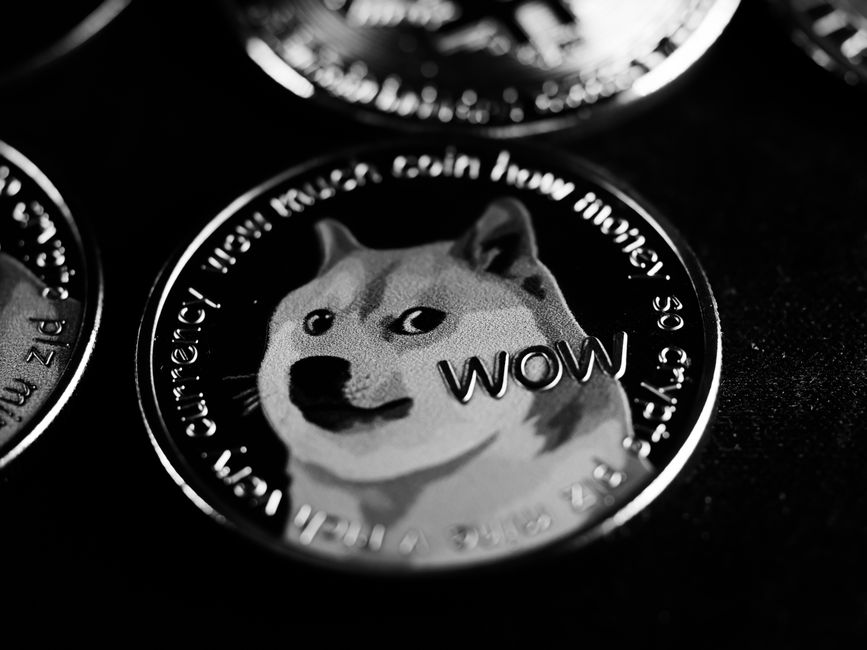
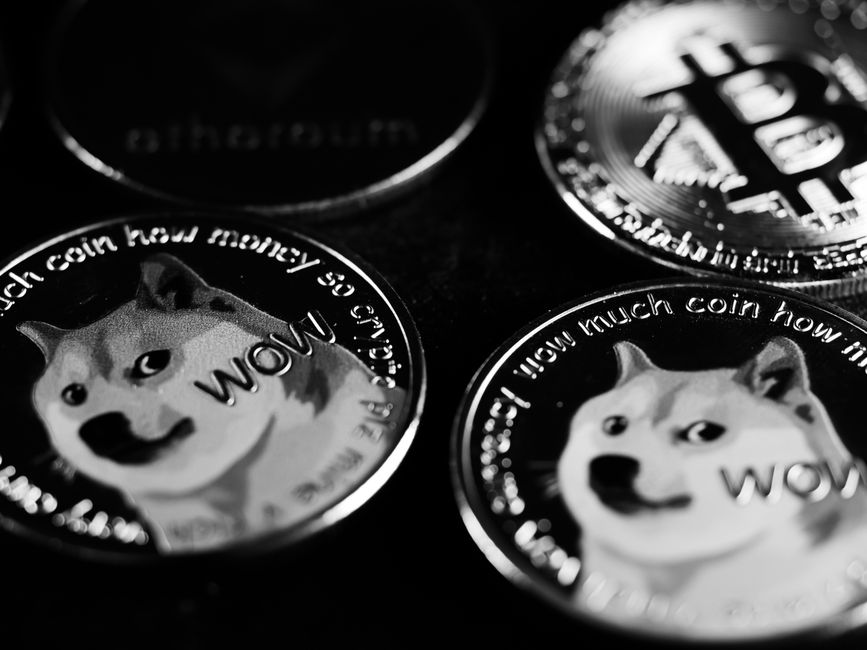
Meme coins are a category of cryptocurrency created as parodies, internet jokes, or community-driven digital assets built on existing blockchain networks such as Ethereum or Solana. The original meme coin, Dogecoin (DOGE), launched in 2013 by Billy Markus and Jackson Palmer as a satirical riff on the wild speculation surrounding Bitcoin at the time. The Dogecoin brand borrowed the iconic Shiba Inu dog meme from internet culture, and it became the blueprint for the hundreds of meme coins that have since entered the market. Other notable examples include Shiba Inu (SHIB), which launched in 2020, and Pepe (PEPE), which gained traction in 2023. These tokens are typically created using open-source code that allows anyone to fork an existing blockchain and launch a new coin with a theme built around internet humor, animal mascots, or pop-culture references.
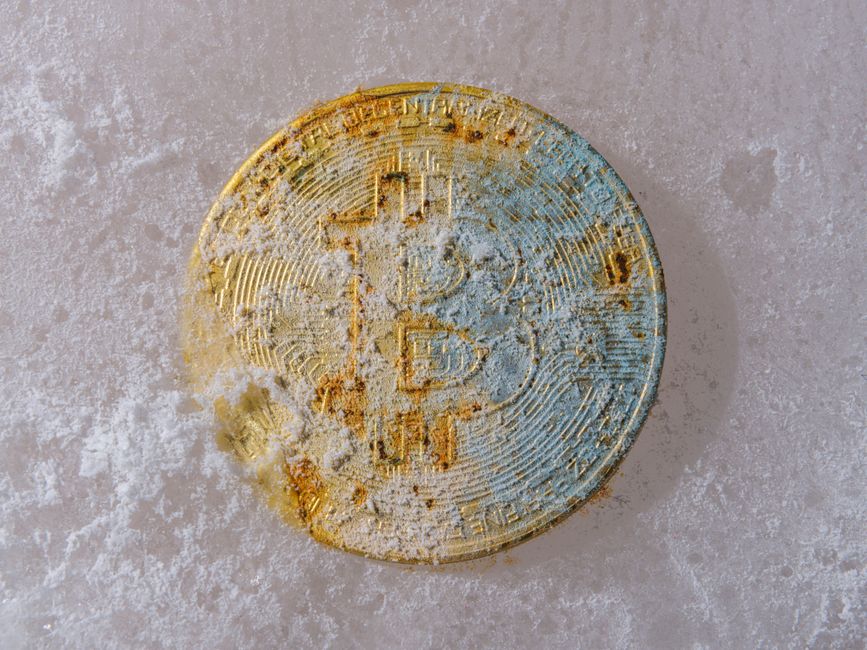
The key distinction between meme coins and mainstream cryptocurrencies lies in their foundational purpose and development structure. Bitcoin was designed as a decentralized peer-to-peer electronic cash system with a fixed supply cap of 21 million coins and a Proof-of-Work mining mechanism that has attracted billions of dollars in infrastructure investment. Ethereum (ETH) serves as a programmable smart contract platform powering thousands of decentralized applications (dApps), decentralized finance (DeFi) protocols, and non-fungible token (NFT) ecosystems. Both Bitcoin and Ethereum have dedicated core development teams, active GitHub repositories, and institutional adoption across trading desks, payment processors, and corporate treasuries. Meme coins, by contrast, frequently launch without a formal technical whitepaper, a clear development roadmap, or any verifiable use case beyond community speculation.
Dogecoin vs. Shiba Inu: Two Dominant Meme Coins Compared
Dogecoin remains the original and most established meme coin by trading volume and market recognition. Originally created as a lighthearted alternative to Bitcoin’s serious tone, Dogecoin transitioned into a functional payment network with fast transaction times and low fees, making it more practical for small-value transfers than many of its meme coin successors. Over the years, Dogecoin has attracted endorsements from high-profile figures including Elon Musk, who has publicly stated that he works with Dogecoin developers to improve the network’s efficiency. This celebrity backing has turned Dogecoin into a household name among US retail investors who encounter it through mainstream media coverage and social platforms.
Shiba Inu arrived in 2020 as an explicitly community-driven token marketed as the self-proclaimed “DOGECOIN KILLER.” Unlike Dogecoin, Shiba Inu was built on the Ethereum network, which gave it access to the broader DeFi and NFT ecosystem. The Shiba Inu project expanded into a multi-token ecosystem that includes a decentralized exchange called ShibaSwap, a native NFT collection, and a planned layer-2 blockchain solution called Shibarium. These additions have given Shiba Inu a more complex technical profile than most meme coins, though the project’s long-term viability remains tied closely to community engagement and market sentiment rather than measurable technical adoption.
| Feature | Dogecoin (DOGE) | Shiba Inu (SHIB) |
|---|---|---|
| Launch Year | 2013 | 2020 |
| Blockchain | Dogecoin Original | Ethereum |
| Max Supply | Unlimited | 1 Quadrillion (initially) |
| Primary Use Case | Fast, low-cost payments | Community DeFi and NFT ecosystem |
| Notable Endorsement | Elon Musk | None (community-driven) |
| Market Cap Range | $10B–$30B | $5B–$15B |
The Core Risks Driving Meme Coin Volatility
Understanding meme coin risks and volatility explained requires an honest look at the structural factors that make these assets fundamentally different from traditional investments. Meme coins are among the most volatile instruments available to US retail traders, with price swings of 20% to 50% or more occurring within a single trading day. This level of volatility dwarfs anything seen in traditional stock markets, where a 5% daily move in a major company stock would generate significant news coverage. The primary driver behind this extreme price action is the absence of any fundamental value anchor. Stocks have earnings per share, revenue, and book value that provide a rough baseline for valuation. Commodities have industrial and consumer demand driving their prices. Meme coins have none of these stabilizing forces.
The speculative nature of meme coins means their prices are almost entirely driven by **social media sentiment and coordinated community activity**. A single viral post, a celebrity tweet, or a trending hashtag on Reddit can send a meme coin’s price soaring or crashing with no connection to any underlying technical achievement or financial metric. This creates an environment where experienced traders can profit through rapid buying and selling, but where longer-term holders face the constant risk of sudden, dramatic drawdowns.
Liquidity risk compounds the volatility problem for many smaller meme coins. While Dogecoin and Shiba Inu have deep order books on major exchanges like Coinbase and Kraken, hundreds of lesser-known meme coins trade on decentralized exchanges with thin order books. In thin markets, a single large sell order can trigger a cascade of liquidations that sends prices plummeting far beyond what technical indicators would suggest. This makes exit planning essential for anyone holding meme coin positions.
Social Media’s Dominating Role in Meme Coin Markets
The relationship between social media platforms and meme coin price movements represents one of the most significant structural dynamics in crypto markets today. Platforms like Reddit, Discord, Twitter (now X), and TikTok have become the primary venues where retail traders share research, celebrate gains, and coordinate buying activity. Communities on Reddit such as r/dogecoin and r/SHIBArmy have grown to hundreds of thousands of members who treat their meme coin of choice as both an investment vehicle and a cultural identity. This community cohesion can sustain price levels during bear markets but can just as easily collapse under the weight of negative sentiment or a viral mockery cycle.
Celebrity endorsements have proven to be a powerful short-term price catalyst for meme coins, but the evidence shows their effects are often fleeting and reversed within days. Elon Musk’s tweets about Dogecoin have historically moved the price by 20% to 30% within a single trading session. Retail traders who purchased Dogecoin immediately after one of Musk’s tweets typically entered at or near the peak of the resulting price spike, setting themselves up for losses as the price normalized. Celebrity involvement in the meme coin market creates **asymmetric information dynamics** where early followers of a celebrity’s endorsements profit at the expense of later imitators who arrive after the initial price move has already played out.
Social media dynamics also expose US investors to coordinated market manipulation risks. Pump-and-dump schemes, where groups of traders artificially inflate a meme coin’s price through coordinated social media posts before simultaneously selling their holdings, are a persistent problem in this space. The US Securities and Exchange Commission (SEC) has taken enforcement actions against several high-profile cases of cryptocurrency market manipulation, but the decentralized and pseudonymous nature of blockchain transactions makes detecting and prosecuting these schemes difficult.
The US Market Landscape and Regulatory Context
The US cryptocurrency market represents the largest single national market for digital asset trading volume globally, and meme coins have secured a visible position within that ecosystem. US-based investors access meme coins through regulated exchanges like Coinbase, Kraken, and Gemini, as well as through decentralized finance protocols on networks like Ethereum and Solana. The regulatory environment for meme coins in the United States remains a work in progress. The SEC has signaled increasing interest in examining whether meme coin issuers have unintentionally created securities by marketing tokens with expectations of profit tied to the efforts of a central team. Several meme coin projects have faced regulatory inquiries related to their marketing practices and the economic interests of their founding developers.
From a tax perspective, US meme coin investors are required to report capital gains and losses on every taxable event, including trades, swaps, and token conversions. The Internal Revenue Service (IRS) classifies most digital assets as property for federal tax purposes, meaning that converting a meme coin to a stablecoin or another cryptocurrency triggers a taxable event just as a sale of stock would. This creates a record-keeping burden that many retail meme coin traders overlook until tax season arrives.
Due Diligence Steps Before Buying Meme Coins
Responsible research practices separate informed participants from gamblers in the meme coin market. US investors should start with fundamental data sources like CoinGecko and CoinMarketCap to verify a token’s trading volume, liquidity depth, market capitalization, and circulating supply. A token with trading volume consistently below $100,000 per day on major exchanges may be susceptible to price manipulation, and its order books may not support orderly exit strategies.
Checking the token contract address on Etherscan or BscScan to audit the total supply, ownership controls, and any minting or burning functions is equally important. Some meme coin contracts contain hidden functions that allow developers to create unlimited new tokens, effectively diluting the holdings of existing investors without warning. Analyzing on-chain holder distribution through blockchain explorers reveals whether a token’s supply is concentrated among a small group of wallets. Tokens where a single wallet controls 30% or more of the total supply are considered highly centralized and carry elevated exit risk for smaller holders.
Reading the project’s official community channels directly — Discord servers, Telegram groups, and verified Twitter accounts — provides a sense of the development team’s transparency and community management quality. Legitimate projects typically publish regular updates, respond to technical concerns, and maintain clear communication channels.
Risk Management and Portfolio Allocation Strategies
Effective risk management in the meme coin segment begins with accepting that the probability of total loss is meaningfully higher than in traditional asset classes. Dollar-cost averaging, where an investor divides a planned total purchase into smaller installments spread across multiple entry points, reduces the risk of buying exclusively at a peak price. This approach is particularly useful for meme coin investing because it prevents the common mistake of FOMO buying — entering a position aggressively after a coin has already surged following a social media catalyst.
Portfolio allocation in this space should follow the principle of **non-correlated diversification**. Rather than concentrating all speculative capital in a single meme coin, spreading positions across three to five different tokens across distinct blockchain networks reduces the impact of any single project failing catastrophically. Combining meme coin exposure with positions in established digital assets like Bitcoin and Ethereum creates a portfolio where speculative positions coexist alongside assets with stronger long-term adoption narratives. Setting explicit exit targets for each position — predetermined price levels at which portions of the holding will be sold — prevents emotionally-driven decision-making during periods of extreme volatility.
**Key risk management steps include:**
- Limit meme coin allocation to no more than **5% of total portfolio value**
- Use dollar-cost averaging to smooth entry points over time
- Spread positions across multiple tokens and blockchain networks
- Set predetermined exit targets before entering any position
- Verify exchange listings and avoid unregulated offshore platforms
For ongoing analysis of market trends and risk factors, follow our trending cryptos updates to stay informed.
Risk Disclaimer
**Investing in meme coins carries significant risks that US investors should carefully evaluate before allocating any capital.** The extreme volatility discussed throughout this article means that prices can drop 50% or more within days with no warning and no fundamental catalyst. Meme coins are not suitable vehicles for retirement savings, emergency funds, or any capital that an investor cannot afford to lose entirely. The cryptocurrency market, including meme coins, remains largely unregulated compared to traditional securities markets, meaning US investors have fewer legal protections if something goes wrong. This article does not constitute financial advice. Always consult with a qualified financial advisor before making investment decisions involving speculative digital assets.
Frequently Asked Questions (FAQ)
Q: What are the main risks associated with investing in meme coins?
A: The primary risks include **extreme price volatility** where daily swings of 20% to 50% are common, a complete lack of fundamental value backing the token, and exposure to social media-driven market manipulation. Liquidity risk is also significant for smaller meme coins, where thin order books can make exiting positions difficult without substantial price concessions.
Q: How can I mitigate the risks of investing in meme coins?
A: Effective risk mitigation starts with thorough research into a token’s contract code, holder distribution, and exchange listings. Position sizing should be limited to no more than 5% of total portfolio value. Diversifying across multiple meme coins and blockchain networks reduces the impact of any single project failing. Using dollar-cost averaging for entries and setting predetermined exit targets prevents emotional decision-making during volatile periods.
Q: Are meme coins a good investment opportunity for US-based investors?
A: Meme coins have generated extraordinary short-term returns for some investors, but the risks are equally extreme and should not be underestimated. US investors must stay informed about the evolving regulatory environment, maintain detailed tax records for every transaction, and approach meme coin investing with the understanding that these assets are highly speculative by nature. The probability of total loss in this segment is meaningfully higher than in traditional asset classes.
Charting & Exchange Resources
| Platform | Use Case | Key Feature | Fee Model | Action |
|---|---|---|---|---|
| TradingView | Charting & technical analysis | Indicators, multi-timeframe charts | Free / Pro tiers | View Platform |
| Coinbase | Exchange (beginner-friendly) | Simple USD on-ramp, educational tools | Varies by region | View Platform |
| Binance | Exchange (advanced pairs) | Wide altcoin coverage, spot markets | Varies by region | View Platform |
Affiliate Disclosure: This post contains affiliate links. We may earn a commission if you buy through our links, at no extra cost to you. Investment Risk Disclaimer: Cryptocurrency and digital asset markets are highly volatile. This content is for informational and educational purposes only and is not financial, investment, or trading advice. You may lose some or all of your capital. Do your own research and consult a licensed financial advisor before making investment decisions.
Leave a Reply