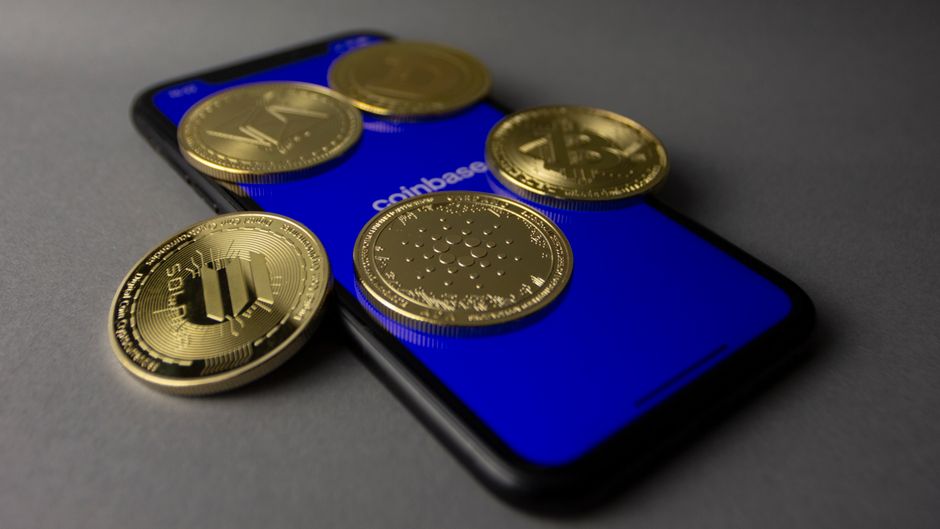
Understanding Ethereum and Solana for New Investors
Ethereum and Solana represent two of the most significant blockchain platforms in the cryptocurrency ecosystem, each offering distinct approaches to decentralized computing. **Ethereum**, launched in 2015, pioneered smart contract functionality and remains the dominant platform for decentralized applications. **Solana**, introduced in 2020, emerged as a high-performance alternative emphasizing transaction speed and lower costs. For beginners entering the altcoin market, understanding these platforms’ fundamental differences is essential before making investment decisions.
Both networks compete for developer attention and user adoption, yet they serve overlapping but distinct use cases. Ethereum prioritizes decentralization and security with its established ecosystem, while Solana focuses on scalability and throughput. This comparison helps new investors evaluate which platform aligns with their risk tolerance and investment goals.
The key differences center on consensus mechanisms, transaction capacity, network fees, and ecosystem maturity. These factors directly impact each platform’s utility for developers and investors alike.
Ethereum: The Established Smart Contract Leader
Ethereum launched in July 2015 under Vitalik Buterin’s vision for a programmable blockchain that extends beyond simple value transfer. The platform introduced **smart contracts**—self-executing code that runs on the blockchain without intermediaries. This innovation enabled decentralized applications (dApps) spanning finance, gaming, identity management, and supply chain tracking.
In September 2022, Ethereum completed “The Merge,” transitioning from energy-intensive Proof of Work (PoW) to **Proof of Stake (PoS)** consensus. This upgrade reduced energy consumption by approximately 99.95% while maintaining network security through validator staking rather than computational mining. The transition positioned Ethereum as a more environmentally sustainable blockchain.
Ethereum’s technology stack includes the Ethereum Virtual Machine (EVM), which executes smart contract code across thousands of distributed nodes. The network processes roughly 15-30 transactions per second (TPS) on its base layer, with Layer 2 scaling solutions like Arbitrum and Optimism significantly increasing throughput. Gas fees—transaction costs paid in ETH—fluctuate based on network demand, sometimes reaching prohibitive levels during congestion.
Solana: The High-Speed Challenger
Solana launched its mainnet in March 2020, designed by Anatoly Yakovenko to address blockchain scalability limitations. The network’s architecture combines **Proof of History (PoH)** with Proof of Stake, creating cryptographic timestamps that allow validators to process transactions in a predetermined order without constant communication. This innovation enables dramatically higher throughput than traditional blockchain designs.
Solana’s technical specifications claim capacity exceeding 65,000 TPS in optimal conditions, though real-world performance typically ranges from 2,000-4,000 TPS. Transaction fees average fractions of a cent, making the network attractive for high-frequency applications like decentralized exchanges and gaming. The platform uses **Rust** and **C** programming languages rather than Ethereum’s Solidity, requiring developers to learn different tooling.
The network has experienced notable outages since launch, including multiple-hour downtime events that raised concerns about centralization and network resilience. Solana’s validator requirements demand higher hardware specifications than many competing chains, creating barriers to decentralized participation. Despite these growing pains, the ecosystem has attracted significant developer activity and venture capital investment.
Technical Comparison: Architecture and Performance
The fundamental architectural difference lies in consensus mechanisms. Ethereum’s PoS system relies on validators staking 32 ETH to propose and attest blocks, with thousands of validators globally securing the network. Solana’s PoH+PoS hybrid creates a verifiable passage of time between events, allowing validators to process transactions without waiting for network-wide consensus on timing.
**Transaction speed** separates these platforms dramatically. Ethereum’s base layer processes 15-30 TPS with 12-14 second block times, while Solana targets 400-millisecond block times with thousands of TPS. However, Ethereum’s Layer 2 solutions bridge this gap, offering comparable speeds with Ethereum’s security guarantees. Solana achieves speed through higher hardware requirements and architectural tradeoffs that some critics argue compromise decentralization.
**Smart contract compatibility** differs significantly. Ethereum’s EVM has become the industry standard, with numerous chains adopting EVM compatibility to tap its developer ecosystem. Solana uses a distinct architecture requiring different development approaches, though its Rust-based environment offers performance advantages for certain applications. Cross-chain bridges connect both ecosystems, but security vulnerabilities in these bridges have resulted in hundreds of millions in losses.
| Feature | Ethereum | Solana |
|---|---|---|
| Consensus | Proof of Stake | Proof of History + PoS |
| Transaction Speed | 15-30 TPS (base layer) | 2,000-4,000 TPS (typical) |
| Block Time | ~12 seconds | ~400 milliseconds |
| Average Fee | $1-$50 (varies) | $0.00025 (typical) |
| Programming Languages | Solidity, Vyper | Rust, C |
| Validator Requirements | 32 ETH stake | High-spec hardware |
Investment Analysis and Risk Factors
Ethereum maintains the second-largest cryptocurrency market capitalization after Bitcoin, typically ranging between $200-500 billion depending on market conditions. Daily trading volume exceeds $10 billion across global exchanges, providing deep liquidity for large trades. **ETH tokens** serve multiple functions: paying transaction fees, staking for validation rewards, and serving as collateral in DeFi protocols.
Solana’s market cap positions it among the top ten cryptocurrencies, generally between $20-80 billion. The **SOL token** follows similar utility patterns but with added inflation from network rewards. Both assets exhibit extreme volatility characteristic of cryptocurrency markets, with drawdowns of 70-90% occurring during bear markets.
**Investment risks** include technological vulnerabilities, regulatory uncertainty, and competition from emerging platforms. Ethereum faces scaling challenges despite Layer 2 progress, while Solana’s network stability concerns persist. Both platforms could lose market share to newer blockchains or face adverse regulatory action as governments develop cryptocurrency frameworks. The securities status of these tokens remains legally ambiguous in many jurisdictions.
Price performance shows both assets experiencing massive bull runs and devastating corrections. Historical returns do not predict future performance, and investors should allocate only capital they can afford to lose completely. Cryptocurrency investments require understanding both technology fundamentals and market dynamics driven by speculation and sentiment.
Decentralized Finance and NFT Ecosystems
Ethereum hosts the largest **DeFi (Decentralized Finance)** ecosystem by total value locked (TVL), with protocols like Uniswap, Aave, and MakerDAO processing billions in daily volume. Users can lend, borrow, trade, and earn yields without traditional financial intermediaries. The network’s established security record and liquidity depth make it the preferred platform for high-value DeFi applications despite higher transaction costs.
Solana’s DeFi ecosystem has grown rapidly, featuring platforms like Raydium, Orca, and Solend. Lower fees enable strategies impractical on Ethereum, such as frequent arbitrage trading and small-value transactions. However, the ecosystem remains smaller with less battle-tested security and occasional smart contract exploits.
**NFT markets** flourish on both chains. Ethereum dominates high-value collectibles and digital art through marketplaces like OpenSea and Blur, hosting the most expensive NFT sales in history. Solana attracted creators seeking lower minting costs and faster transactions, with Magic Eden emerging as a major marketplace. The distinction reflects broader positioning: Ethereum for premium, established projects; Solana for experimental, high-throughput applications.
Both platforms continue expanding use cases beyond finance and collectibles, including gaming, identity verification, supply chain management, and decentralized social networks. Future development focuses on improving user experience, reducing complexity, and increasing interoperability with traditional systems.
Accessing Ethereum and Solana Markets
Purchasing ETH or SOL begins with selecting a **cryptocurrency exchange** that serves your jurisdiction. Major platforms like Coinbase, Kraken, and Binance.US (for American users) support both assets with fiat currency on-ramps. Users must complete identity verification (KYC) processes before trading, providing government-issued identification and sometimes proof of residence.
After purchasing, investors face custody decisions. Leaving funds on exchanges provides convenience but exposes assets to platform risk, as exchange hacks and failures have caused billions in losses. **Self-custody wallets** like MetaMask (Ethereum) and Phantom (Solana) give users control over private keys but require careful security practices. Hardware wallets like Ledger or Trezor offer enhanced security for larger holdings.
Trading strategies range from long-term holding to active speculation. Dollar-cost averaging—regular purchases regardless of price—helps mitigate timing risk in volatile markets. More sophisticated traders use limit orders, stop-losses, and derivatives available on platforms like dYdX or centralized exchanges. Beginners should avoid leverage and complex instruments until gaining experience.
**Tax implications** require attention, as most jurisdictions treat cryptocurrency sales as taxable events. Tracking cost basis across multiple transactions demands careful record-keeping or specialized software. Consulting tax professionals familiar with cryptocurrency helps ensure compliance.
Risk Management for Altcoin Investors
Successful cryptocurrency investing requires disciplined risk management beyond buy-and-hold strategies. **Position sizing**—limiting any single investment to a small percentage of total portfolio—prevents catastrophic losses from individual asset failures. Many advisors recommend cryptocurrency allocation not exceed 5-10% of investment portfolios, with altcoins representing subsets of that allocation.
Diversification across multiple blockchain platforms and use cases reduces concentration risk. Investors might hold both Ethereum and Solana alongside Bitcoin and emerging platforms, spreading exposure across different technological approaches and market segments. However, diversification within cryptocurrency provides limited protection during market-wide downturns when correlations approach 1.0.
**Security practices** include enabling two-factor authentication, using unique passwords for each platform, and maintaining separate email addresses for financial accounts. Phishing attacks targeting cryptocurrency holders have grown sophisticated, mimicking legitimate platforms to steal credentials. Never share private keys or seed phrases, and verify URLs carefully before entering sensitive information.
Emotional discipline separates successful investors from those who buy tops and panic-sell bottoms. Establishing clear investment theses, entry and exit criteria, and rebalancing schedules before market volatility strikes helps maintain rational decision-making during euphoria and fear.
Investment Disclaimer and Due Diligence
**Cryptocurrency investments carry substantial risk of total capital loss.** Blockchain technology remains experimental, with uncertain regulatory futures and technological vulnerabilities. Network failures, smart contract bugs, exchange hacks, and adverse regulations have caused billions in investor losses. Neither Ethereum nor Solana guarantees returns, and past performance provides no indication of future results.
This analysis presents educational information for comparison purposes only and does not constitute financial, investment, tax, or legal advice. Readers should conduct independent research, understand their risk tolerance, and consult licensed financial advisors before making investment decisions. The cryptocurrency market operates 24/7 with extreme volatility, making it unsuitable for risk-averse investors or those requiring capital preservation.
Market participants should verify all information independently, as blockchain technology evolves rapidly and outdates static analysis. Consider multiple information sources, examine project whitepapers, audit reports, and developer activity before committing capital. Be especially cautious of promises guaranteeing returns or downplaying risks—hallmarks of potential scams pervading the cryptocurrency space.
Frequently Asked Questions
Q: What is the main difference between Ethereum and Solana?
A: Ethereum prioritizes decentralization and security through its established Proof of Stake network with thousands of validators, while Solana emphasizes transaction speed and low costs through its Proof of History architecture requiring higher-spec hardware. Ethereum processes 15-30 transactions per second on its base layer with Layer 2 scaling solutions, whereas Solana handles thousands of TPS with sub-second finality. Ethereum hosts the larger, more mature ecosystem, while Solana attracts developers seeking high throughput applications.
Q: How do I decide whether to invest in Ethereum or Solana?
A: Investment decisions should consider your risk tolerance, time horizon, and conviction in each platform’s technological approach. Ethereum offers greater ecosystem maturity, deeper liquidity, and established institutional adoption but faces ongoing scaling challenges. Solana provides superior speed and lower costs but with higher technological risk from network outages and centralization concerns. Many investors hold both assets as complementary positions rather than choosing exclusively, allocating based on confidence levels and portfolio strategy. Thorough research into each platform’s technology, team, roadmap, and competitive position is essential.
Q: What are the risks associated with investing in Ethereum and Solana?
A: Both assets face substantial risks including extreme price volatility, technological vulnerabilities, regulatory uncertainty, and competition from emerging platforms. Ethereum risks include incomplete scaling solutions, potential security issues in Layer 2 systems, and competition from EVM-compatible chains. Solana faces centralization concerns from high validator requirements, network stability questions following multiple outages, and smaller ecosystem security. Both could lose market share to newer technologies or face adverse regulatory classification as securities. Investors should only allocate capital they can afford to lose entirely.
Q: Which exchanges support trading Ethereum and Solana?
A: Major cryptocurrency exchanges supporting both assets include Coinbase, Kraken, Gemini, and Binance.US for American users, plus international platforms like Binance, OKX, and Bybit. Decentralized exchanges like Uniswap (Ethereum) and Jupiter (Solana) enable trading without intermediaries but require more technical knowledge. Choose exchanges based on jurisdiction, fees, liquidity, security record, and available features. Always enable security features like two-factor authentication and consider withdrawing assets to self-custody wallets for long-term holdings rather than leaving funds on exchanges.
Charting & Exchange Resources
| Platform | Use Case | Key Feature | Fee Model | Action |
|---|---|---|---|---|
| TradingView | Charting & technical analysis | Indicators, multi-timeframe charts | Free / Pro tiers | View Platform |
| Coinbase | Exchange (beginner-friendly) | Simple USD on-ramp, educational tools | Varies by region | View Platform |
| Binance | Exchange (advanced pairs) | Wide altcoin coverage, spot markets | Varies by region | View Platform |
Affiliate Disclosure: This post contains affiliate links. We may earn a commission if you buy through our links, at no extra cost to you. Investment Risk Disclaimer: Cryptocurrency and digital asset markets are highly volatile. This content is for informational and educational purposes only and is not financial, investment, or trading advice. You may lose some or all of your capital. Do your own research and consult a licensed financial advisor before making investment decisions.
Leave a Reply