Understanding Altcoin Seasonality: A Market Guide
Altcoin season refers to periods of heightened activity and price appreciation in the altcoin market, which comprises all cryptocurrencies except for Bitcoin. These seasons are characterized by increased trading volume, market capitalization, and investor interest in alternative cryptocurrencies. Understanding altcoin seasonality is crucial for cryptocurrency investors, as it can provide valuable insights into market trends and potential investment opportunities.
Key Altcoin Season Index Charts to Watch
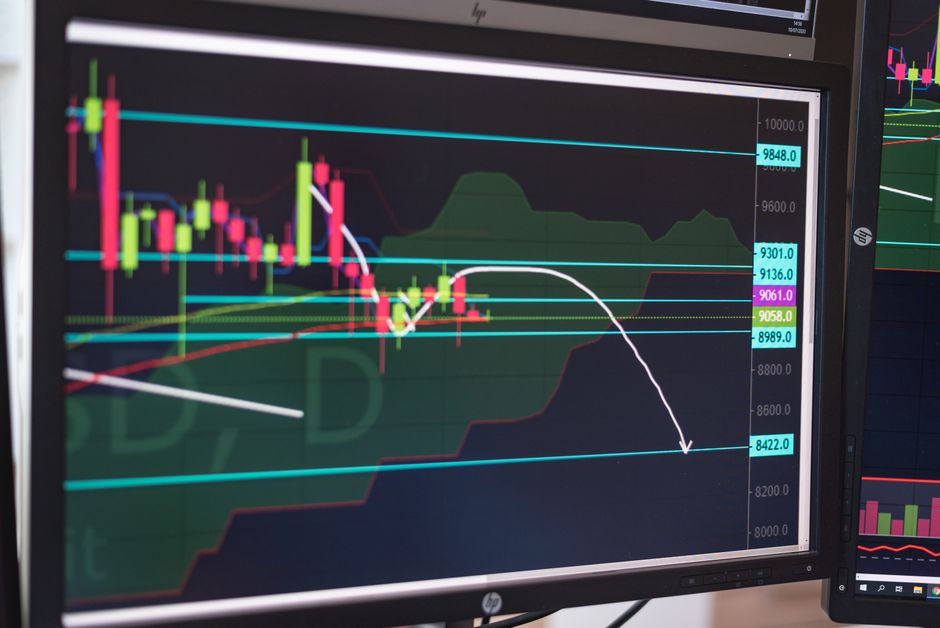
One of the most popular resources for tracking altcoin seasonality is the Altcoin Season Index chart on CoinMarketCap. This chart provides a visual representation of the market’s current state, indicating whether it is in an altcoin season or a Bitcoin-dominated phase. Other reputable sources for altcoin seasonality data include Blockchain Center and CryptoCompare.
To effectively analyze these charts, investors should consider factors such as the relative performance of altcoins compared to Bitcoin, the overall market sentiment, and the presence of any notable trends or patterns.
Analyzing Altcoin Market Trends
Identifying bullish and bearish trends in the altcoin market is essential for making informed investment decisions. Bullish trends are characterized by increasing prices and trading volumes, while bearish trends are marked by declining values. Factors that can influence the performance of altcoins include Bitcoin’s market dominance, regulatory developments, and overall investor sentiment.
Case studies of past altcoin seasons can provide valuable insights into how these market cycles unfold and the potential outcomes for investors. For example, the altcoin season of 2017-2018 saw the rise of numerous high-growth cryptocurrencies, many of which experienced significant price corrections in the following months.
Diversifying Your Crypto Portfolio with Altcoins
Diversification is a key risk management strategy in the cryptocurrency market, as it helps spread investments across different assets and reduces the impact of any single coin’s price fluctuations. To effectively diversify a crypto portfolio, investors should allocate funds across a variety of altcoins with different characteristics, such as market cap, technology, and adoption levels.
Regular rebalancing of the portfolio is also important to maintain the desired level of diversification and manage risk exposure.
Top Altcoins to Watch in the Current Market Cycle
Identifying promising altcoins requires thorough research and analysis of factors such as market capitalization, underlying technology, adoption rates, and real-world use cases. Some of the top altcoins to watch in the current market cycle include Ethereum, Binance Coin, Cardano, and Polkadot.
However, investors should be cautious of altcoins with questionable fundamentals or those that have gained popularity due to hype and speculation. Conducting due diligence and avoiding investments based solely on market sentiment can help mitigate the risk of falling for scams or investing in unsustainable projects.
Practical Tips for Navigating Altcoin Season
To successfully navigate altcoin season, investors should follow best practices such as:
- Staying informed about the latest developments in the altcoin space through reputable news sources and social media channels
- Conducting thorough research and due diligence before investing in any altcoin
- Setting clear investment goals and risk tolerance levels
- Avoiding emotional decision-making and sticking to a well-defined investment strategy
- Being cautious of scams and fraudulent projects, which are more prevalent during periods of high market activity
Altcoin Investment Risks and Mitigation Strategies
Investing in altcoins carries inherent risks, such as high price volatility, regulatory uncertainty, and the potential for scams or fraudulent projects. To mitigate these risks, investors should:
- Conduct thorough due diligence on any altcoin before investing
- Diversify their portfolios across multiple altcoins and other asset classes
- Set clear stop-loss levels and adhere to them
- Avoid investing more than they can afford to lose
- Stay informed about the latest regulatory developments and market trends
Frequently Asked Questions (FAQ)
What is the difference between Bitcoin and altcoins?
Bitcoin is the original cryptocurrency and the largest by market capitalization, while altcoins are all other cryptocurrencies. Altcoins often have different features, technologies, and use cases compared to Bitcoin, and they may offer higher growth potential but also higher risk.
How can I identify a promising altcoin to invest in?
To identify promising altcoins, investors should consider factors such as market capitalization, underlying technology, adoption rates, and real-world use cases. Conducting thorough research and due diligence, and avoiding investments based solely on hype or speculation, can help identify high-potential altcoins.
What are the most common mistakes made by altcoin investors?
Common mistakes made by altcoin investors include:
- Failing to conduct proper due diligence before investing
- Investing based on hype or speculation rather than fundamentals
- Failing to diversify their portfolios adequately
- Not setting clear investment goals and risk tolerance levels
- Falling for scams or fraudulent projects
Stay Informed: Resources for Tracking Altcoin Seasonality
To stay informed about altcoin market trends and make informed investment decisions, investors can utilize various resources such as:
- CoinMarketCap’s Altcoin Season Index chart
- Blockchain Center’s Altcoin Season Indicator
- CryptoCompare’s Altcoin Index
- Reputable cryptocurrency news outlets and research firms
Continuously learning and adapting to new information is crucial in the fast-paced and ever-evolving cryptocurrency market. By staying informed and following best practices, investors can increase their chances of success during altcoin season.
In conclusion, navigating altcoin season requires a combination of thorough research, risk management, and continuous learning. By understanding market trends, diversifying investments, and staying informed, investors can potentially capitalize on the opportunities presented by altcoin season while minimizing their exposure to risk.
Charting & Exchange Resources
| Platform | Use Case | Key Feature | Fee Model | Action |
|---|---|---|---|---|
| TradingView | Charting & technical analysis | Indicators, multi-timeframe charts | Free / Pro tiers | View Platform |
| Coinbase | Exchange (beginner-friendly) | Simple USD on-ramp, educational tools | Varies by region | View Platform |
| Binance | Exchange (advanced pairs) | Wide altcoin coverage, spot markets | Varies by region | View Platform |
Affiliate Disclosure: This post contains affiliate links. We may earn a commission if you buy through our links, at no extra cost to you. Investment Risk Disclaimer: Cryptocurrency and digital asset markets are highly volatile. This content is for informational and educational purposes only and is not financial, investment, or trading advice. You may lose some or all of your capital. Do your own research and consult a licensed financial advisor before making investment decisions.
Leave a Reply