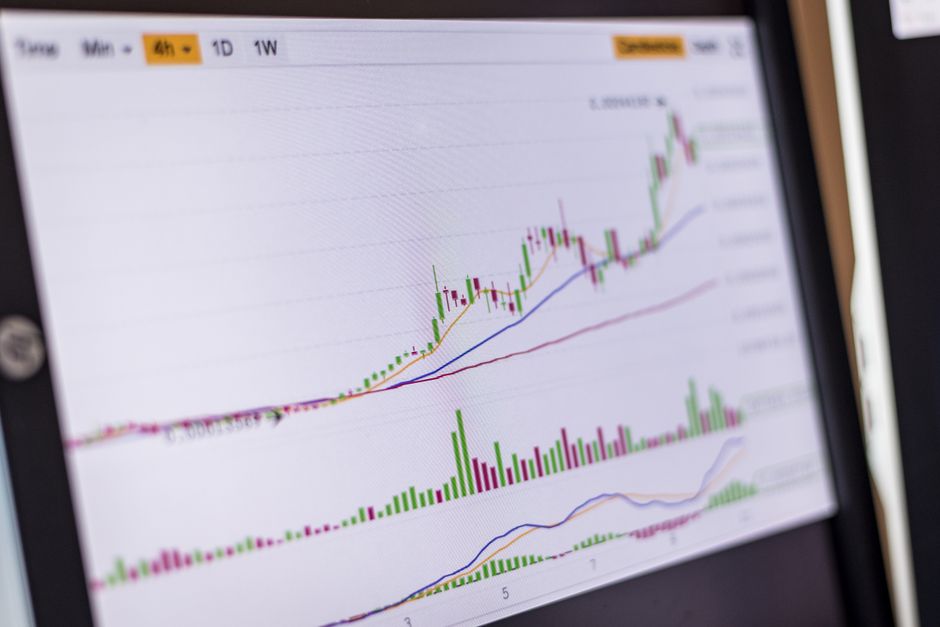
What is Altcoin Season?
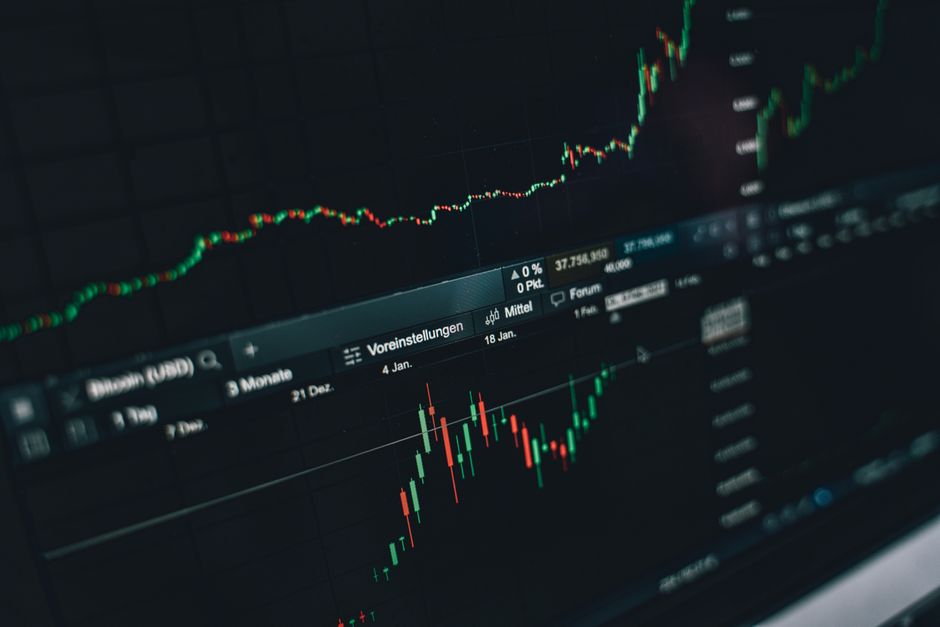
Altcoin season refers to periods in the cryptocurrency market when altcoins (cryptocurrencies other than Bitcoin) experience significant price increases and outperform Bitcoin in terms of market capitalization and trading volume. These seasons typically occur after Bitcoin has had a substantial price rally and investors start exploring other opportunities in the market. Historically, altcoin seasons have led to the emergence of new market leaders and the adoption of innovative blockchain technologies.
Altcoin Season Index Chart Explained
The Altcoin Season Index Chart is a tool designed to track and measure the performance of altcoins in the cryptocurrency market. The index chart uses a combination of key metrics and data points, such as market capitalization, trading volume, and price movements, to provide a visual representation of the altcoin market’s overall health and trends. By analyzing the index chart, investors can gain insights into market sentiment, identify potential investment opportunities, and make more informed trading decisions.
Reading the Altcoin Season Index Chart
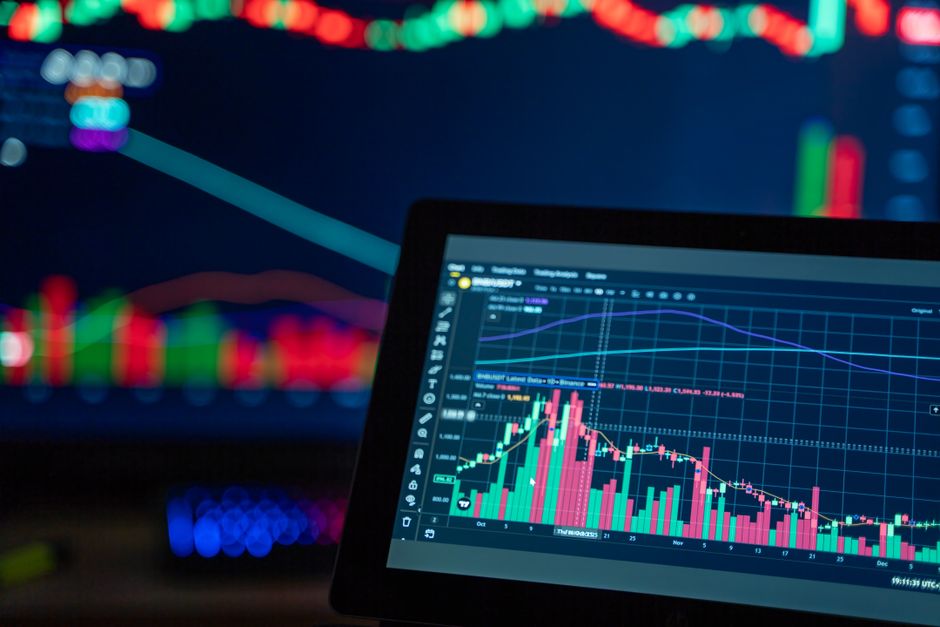
The Altcoin Season Index Chart displays market data using a line graph, with the y-axis representing the index value and the x-axis showing the timeline. Bullish trends are indicated by an upward slope in the line graph, while bearish trends are represented by a downward slope. Investors can also use the index chart to assess market sentiment and investor confidence by observing the relative position of the index value compared to historical data.
Altcoin Market Analysis: Trends and Predictions
As of the current market conditions, the altcoin market has been experiencing a period of increased activity and investor interest. Several altcoins have shown promising growth and adoption rates, indicating a potential shift in market trends. Analysts predict that the ongoing altcoin season may lead to the emergence of new market leaders and the mainstream adoption of innovative blockchain technologies. However, investors should remain cautious and conduct thorough research before making investment decisions, as the altcoin market is known for its volatility and potential risks.
Investing in Altcoins: Risks and Rewards
Investing in altcoins can offer significant potential rewards, such as high returns on investment and exposure to innovative blockchain technologies. However, the altcoin market is also associated with substantial risks, including market volatility, regulatory uncertainties, and the potential for scams and fraudulent projects. To mitigate these risks, investors should diversify their cryptocurrency portfolios, conduct thorough research on individual altcoins, and stay informed about market trends and developments.
Practical Guide for US Investors: Navigating the Altcoin Market
For US-based investors, navigating the altcoin market requires a thorough understanding of the regulatory environment and the available trading platforms. Investors should choose reliable and secure cryptocurrency exchanges that comply with US regulations and offer a wide range of altcoins for trading. Additionally, US investors must be aware of the tax implications and reporting requirements associated with cryptocurrency investments. By staying informed and following best practices, US investors can effectively participate in the altcoin market while managing potential risks.
Frequently Asked Questions (FAQ)
What is the difference between an altcoin and Bitcoin?
Altcoins are cryptocurrencies other than Bitcoin that offer different features, use cases, and underlying technologies. While Bitcoin is the first and most well-known cryptocurrency, altcoins aim to address some of its limitations and provide additional functionalities, such as faster transaction times, enhanced privacy, or specialized applications.
How can I identify promising altcoins to invest in?
When considering altcoin investments, it is essential to conduct thorough research and analyze market trends, technology, and adoption rates. Investors should look for altcoins with strong development teams, clear use cases, and growing user bases. Red flags to watch out for include unrealistic promises of guaranteed returns, lack of transparency, and insufficient community support.
What are the risks associated with investing in altcoins?
Investing in altcoins comes with significant risks, primarily due to the high volatility and speculative nature of the cryptocurrency market. Altcoins are often more susceptible to price manipulation and market manipulation than Bitcoin, and many projects may fail to deliver on their promises. To mitigate these risks, investors should diversify their portfolios, invest only what they can afford to lose, and stay informed about market developments and regulatory changes.
How do I buy and sell altcoins on a cryptocurrency exchange?
To buy and sell altcoins on a cryptocurrency exchange, investors must first create an account and complete the necessary identity verification processes. Once the account is set up, investors can deposit funds (either fiat currency or other cryptocurrencies) and place orders to buy or sell specific altcoins. It is crucial to choose a reputable exchange with strong security measures and to follow best practices for securing transactions and managing private keys.
Charting & Exchange Resources
| Platform | Use Case | Key Feature | Fee Model | Action |
|---|---|---|---|---|
| TradingView | Charting & technical analysis | Indicators, multi-timeframe charts | Free / Pro tiers | View Platform |
| Coinbase | Exchange (beginner-friendly) | Simple USD on-ramp, educational tools | Varies by region | View Platform |
| Binance | Exchange (advanced pairs) | Wide altcoin coverage, spot markets | Varies by region | View Platform |
Affiliate Disclosure: This post contains affiliate links. We may earn a commission if you buy through our links, at no extra cost to you. Investment Risk Disclaimer: Cryptocurrency and digital asset markets are highly volatile. This content is for informational and educational purposes only and is not financial, investment, or trading advice. You may lose some or all of your capital. Do your own research and consult a licensed financial advisor before making investment decisions.
Leave a Reply