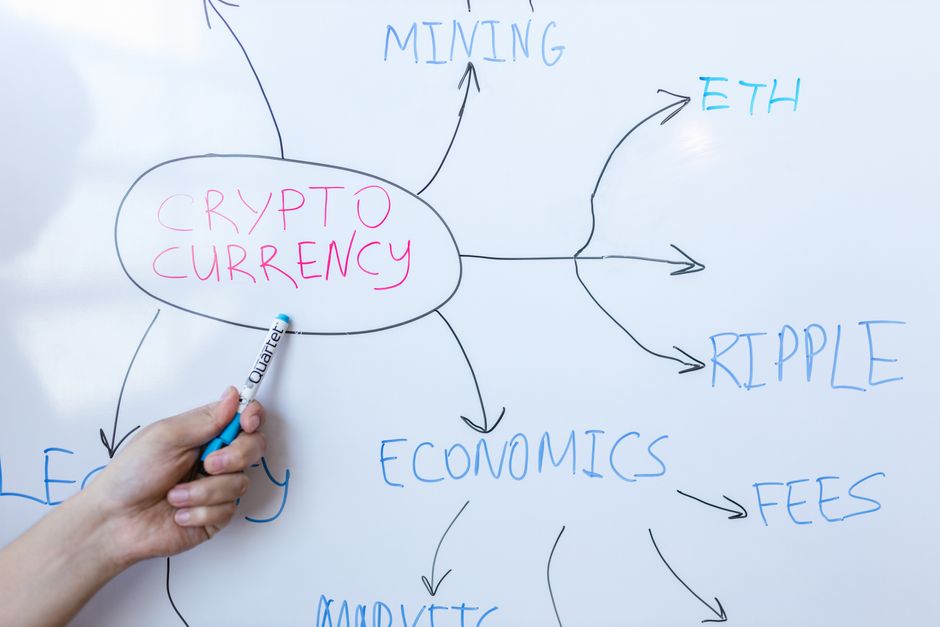
Understanding Cryptocurrency Exchange Fees

When it comes to choosing a cryptocurrency exchange, one of the most important factors to consider is the fee structure. Fees can significantly impact your overall investment costs, especially if you’re an active trader. Cryptocurrency exchanges typically charge two types of fees: maker fees and taker fees. Maker fees are charged when you place an order that is not immediately matched with an existing order, while taker fees are charged when you place an order that is immediately matched with an existing order.
Coinbase Fee Structure
Coinbase, one of the most popular cryptocurrency exchanges, has a tiered fee structure based on your trading volume over the past 30 days. As of 2026, here’s a breakdown of Coinbase’s fees:
- Less than $10,000 in trading volume: 0.50% taker fee, 0.50% maker fee
- $10,000 to $50,000 in trading volume: 0.35% taker fee, 0.15% maker fee
- $50,000 to $100,000 in trading volume: 0.25% taker fee, 0.15% maker fee
- $100,000 to $1,000,000 in trading volume: 0.20% taker fee, 0.10% maker fee
- $1,000,000 to $10,000,000 in trading volume: 0.18% taker fee, 0.08% maker fee
- $10,000,000 to $100,000,000 in trading volume: 0.15% taker fee, 0.05% maker fee
- $100,000,000 to $1,000,000,000 in trading volume: 0.10% taker fee, 0.02% maker fee
- More than $1,000,000,000 in trading volume: 0.08% taker fee, 0.00% maker fee
Compared to other major exchanges, Coinbase’s fees are relatively competitive for high-volume traders but can be on the higher side for those with lower trading volumes.
Binance Fee Structure

Binance, another popular cryptocurrency exchange, also has a tiered fee structure based on your trading volume over the past 30 days. As of 2026, here’s a breakdown of Binance’s fees:
- Less than $50,000 in trading volume: 0.10% taker fee, 0.10% maker fee
- $50,000 to $100,000 in trading volume: 0.09% taker fee, 0.05% maker fee
- $100,000 to $500,000 in trading volume: 0.08% taker fee, 0.03% maker fee
- $500,000 to $1,000,000 in trading volume: 0.07% taker fee, 0.02% maker fee
- $1,000,000 to $5,000,000 in trading volume: 0.06% taker fee, 0.01% maker fee
- $5,000,000 to $10,000,000 in trading volume: 0.05% taker fee, 0.00% maker fee
- $10,000,000 to $20,000,000 in trading volume: 0.04% taker fee, 0.00% maker fee
- More than $20,000,000 in trading volume: 0.03% taker fee, 0.00% maker fee
Binance’s fees are generally lower than Coinbase’s, especially for those with higher trading volumes.
Comparing Coinbase and Binance Fees
When comparing Coinbase and Binance fees side by side, it’s clear that Binance offers lower fees for most trading volumes. However, for those with trading volumes under $10,000, Coinbase’s fees are slightly lower. It’s important to note that these fee structures can change over time, so it’s always a good idea to check the latest fees before making a decision.
When deciding between Coinbase and Binance based on fees alone, consider your trading volume and the types of trades you’ll be making. If you’re a high-volume trader, Binance may be the better choice. However, if you’re a low-volume trader, Coinbase may be more suitable.
Other Factors to Consider When Choosing a Cryptocurrency Exchange
While fees are an important consideration when choosing a cryptocurrency exchange, they’re not the only factor to keep in mind. Other important factors include:
- Security: The security of your funds should be a top priority when choosing an exchange. Look for exchanges with a strong track record of keeping user funds safe.
- Liquidity: Higher liquidity means that you’ll be able to buy and sell cryptocurrencies more easily and at better prices.
- User experience: A user-friendly interface and easy-to-use features can make a big difference in your trading experience.
When deciding between Coinbase and Binance, it’s essential to balance fee considerations with these other critical factors.
Case Studies: Real-World Examples of Saving on Fees
Many traders have saved significant amounts of money by choosing the right cryptocurrency exchange and understanding the fee structures. For example, one trader was able to save over $1,000 in fees by switching from Coinbase to Binance for their high-volume trading.
Another trader found that by using limit orders instead of market orders on Coinbase, they were able to reduce their fees by 50%. These case studies demonstrate the importance of understanding fee structures and making informed decisions about which exchange to use.
Frequently Asked Questions (FAQ)
What are the current fees for Coinbase and Binance in 2026?
As of 2026, Coinbase’s fees range from 0.50% to 0.00% depending on trading volume, while Binance’s fees range from 0.10% to 0.00%. It’s always a good idea to check the latest fee structures before making a decision.
How do Coinbase and Binance’s fees compare to other major crypto exchanges?
Coinbase and Binance’s fees are relatively competitive compared to other major exchanges. However, fee structures can vary significantly between exchanges, so it’s essential to compare fees before choosing an exchange.
Are there any ways to reduce or avoid fees on Coinbase and Binance?
Yes, there are several ways to reduce or avoid fees on Coinbase and Binance. For example, using limit orders instead of market orders can often result in lower fees. Additionally, some exchanges offer fee discounts for users who hold their native tokens.
Which exchange offers better value: Coinbase or Binance?
The answer to this question depends on your individual needs and preferences. If you’re a high-volume trader, Binance may offer better value due to its lower fees. However, if you prioritize factors like security and user experience, Coinbase may be the better choice. Ultimately, the decision between Coinbase and Binance comes down to your specific requirements and priorities.
Explore more market analysis guides on our site.
Charting & Exchange Resources
| Platform | Use Case | Key Feature | Fee Model | Action |
|---|---|---|---|---|
| TradingView | Charting & technical analysis | Indicators, multi-timeframe charts | Free / Pro tiers | View Platform |
| Coinbase | Exchange (beginner-friendly) | Simple USD on-ramp, educational tools | Varies by region | View Platform |
| Binance | Exchange (advanced pairs) | Wide altcoin coverage, spot markets | Varies by region | View Platform |
Affiliate Disclosure: This post contains affiliate links. We may earn a commission if you buy through our links, at no extra cost to you. Investment Risk Disclaimer: Cryptocurrency and digital asset markets are highly volatile. This content is for informational and educational purposes only and is not financial, investment, or trading advice. You may lose some or all of your capital. Do your own research and consult a licensed financial advisor before making investment decisions.
Leave a Reply