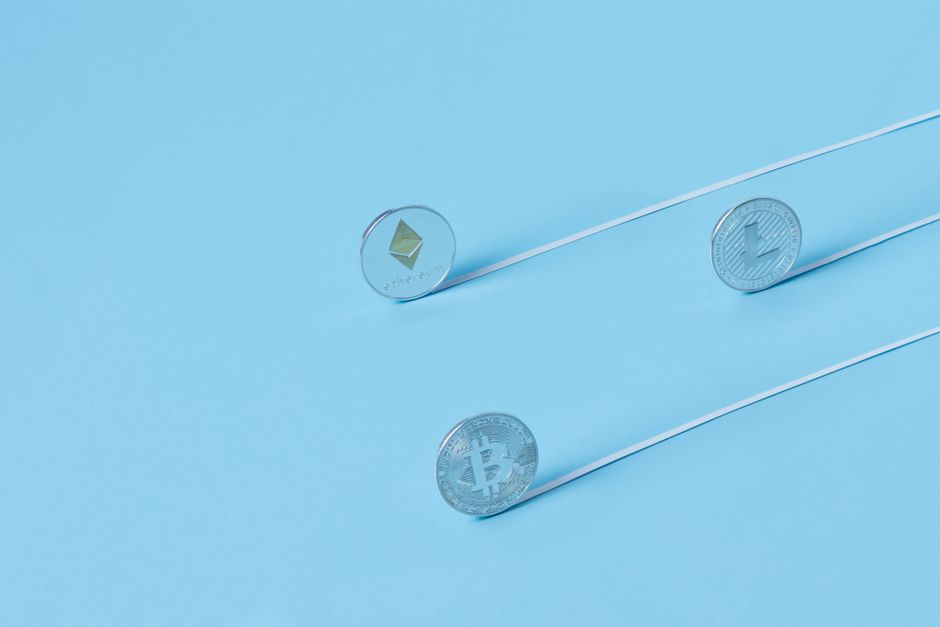
Market Overview
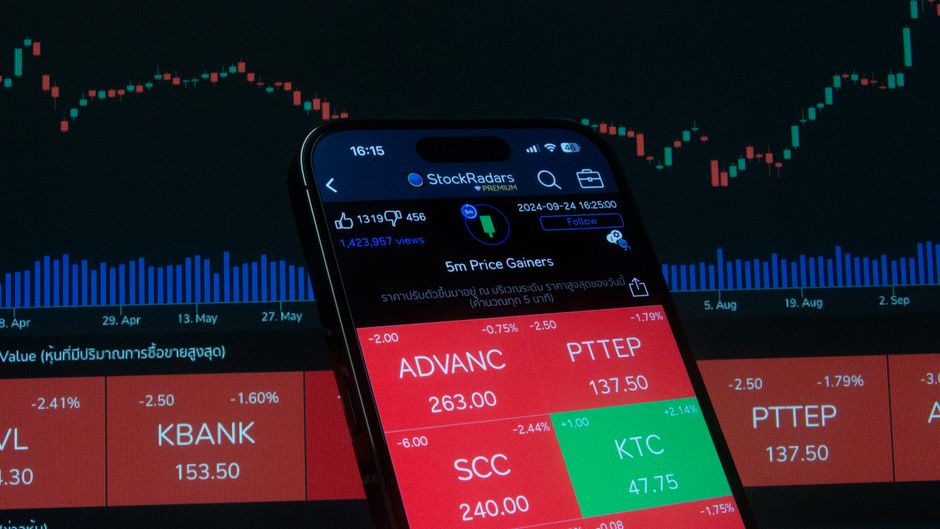
The cryptocurrency market has experienced significant growth and evolution since the inception of Bitcoin in 2009. In 2026, the market is characterized by increased institutional adoption, regulatory clarity, and a wider range of investment opportunities. Altcoins, or alternative cryptocurrencies, have gained prominence as investors seek to diversify their portfolios and capitalize on the potential of innovative blockchain projects.
The altcoin market is highly dynamic, with new projects emerging and existing ones evolving rapidly. Some of the key trends shaping the altcoin market in 2026 include the rise of decentralized finance (DeFi), the growing importance of interoperability between blockchains, and the increasing focus on scalability and privacy solutions.
Investing in altcoins differs from investing in Bitcoin in several ways. While Bitcoin is often considered a store of value and a hedge against inflation, altcoins are typically associated with specific use cases and utility within their respective ecosystems. Altcoins also tend to be more volatile than Bitcoin, presenting both higher risks and higher potential rewards for investors.
Understanding Altcoins
Altcoins are cryptocurrencies other than Bitcoin. They are built on various blockchain platforms and offer different features, functionalities, and use cases. Some altcoins aim to improve upon the limitations of Bitcoin, such as transaction speed and scalability, while others focus on specific applications like privacy, smart contracts, or decentralized applications (dApps).
There are several types of altcoins, including:
- **Utility tokens:** These altcoins provide access to specific services or products within a blockchain ecosystem.
- **Stablecoins:** These are cryptocurrencies pegged to an external asset, such as the US dollar, to maintain price stability.
- **Privacy coins:** These altcoins prioritize user privacy and anonymity through advanced cryptographic techniques.
- **Governance tokens:** These tokens grant holders the right to vote on decisions related to the development and management of a blockchain project.
Diversifying your cryptocurrency portfolio with altcoins can help spread risk and potentially enhance returns. However, it is crucial to thoroughly research and understand the specific characteristics and risks associated with each altcoin before investing.
Analyzing Altcoin Performance
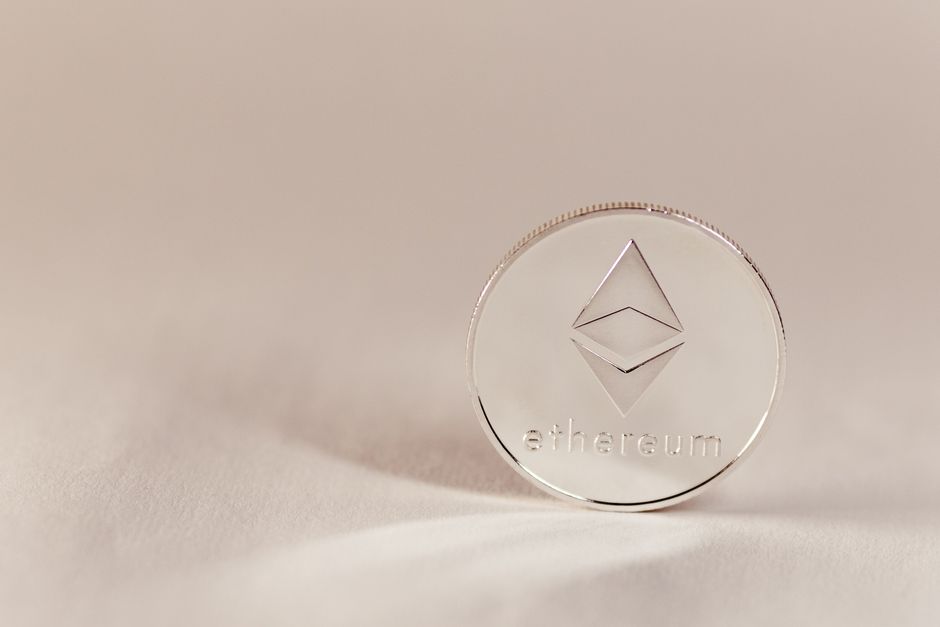
evaluating an altcoin’s potential and performance involves both technical and fundamental analysis. Technical analysis focuses on historical price and volume data to identify patterns and predict future price movements. This includes studying charts, candlestick patterns, and various technical indicators like moving averages, relative strength index (RSI), and Bollinger Bands.
Fundamental analysis, on the other hand, involves assessing the intrinsic value of an altcoin by examining the project’s whitepaper, team, community support, and real-world adoption. Key factors to consider include:
- **Technology:** The underlying blockchain technology, consensus mechanism, and scalability solutions.
- **Use case:** The specific problem the altcoin aims to solve and its potential market impact.
- **Team:** The experience, credibility, and track record of the project’s development team.
- **Community:** The size, engagement, and growth of the project’s community and social media following.
- **Partnerships:** Strategic partnerships with established companies or other blockchain projects.
By combining technical and fundamental analysis, investors can make more informed decisions when selecting altcoins to invest in.
Top Altcoins to Watch in 2026
As the altcoin market continues to evolve, certain projects have garnered attention for their innovative technologies, strong communities, and promising growth potential. Some of the top altcoins to watch in 2026 include:
- **Polkadot (DOT):** A multi-chain network that enables interoperability between different blockchains.
- **Cardano (ADA):** A blockchain platform focused on scalability and sustainability through its proof-of-stake consensus mechanism.
- **Chainlink (LINK):** A decentralized oracle network that connects smart contracts with real-world data.
- **Uniswap (UNI):** A leading decentralized exchange (DEX) built on the Ethereum blockchain.
- **Solana (SOL):** A high-performance blockchain platform designed for scalability and fast transaction processing.
While these altcoins have shown promise, it is essential to conduct thorough research and consider the specific risks and challenges associated with each project before investing.
Investing Strategies
When investing in altcoins, there are different approaches to consider based on your investment goals and risk tolerance. Long-term investors may focus on altcoins with strong fundamentals and the potential for sustained growth, while short-term traders may seek to capitalize on market volatility and short-term price movements.
To balance risk and reward when investing in altcoins, consider the following best practices:
- **Diversification:** Spread your investments across different types of altcoins and sectors within the cryptocurrency market.
- **Position sizing:** Allocate appropriate amounts of capital to each investment based on your risk tolerance and portfolio size.
- **Risk management:** Set clear entry and exit points for your investments and use stop-loss orders to limit potential losses.
- **Continuous learning:** Stay informed about market developments, new altcoin projects, and emerging trends in the cryptocurrency space.
By implementing these strategies and maintaining a disciplined approach, investors can navigate the altcoin market more effectively and potentially achieve better risk-adjusted returns.
Avoiding Scams and Fraud
The altcoin market has been plagued by numerous scams and fraudulent schemes, which can result in significant financial losses for unsuspecting investors. To avoid falling victim to these scams, be aware of the following red flags:
- **Promises of guaranteed returns:** Be skeptical of projects that promise unrealistic or guaranteed returns on investment.
- **Lack of transparency:** Be cautious of projects with anonymous teams, unclear whitepapers, or insufficient information about their technology and roadmap.
- **Hype and FOMO:** Avoid investing based solely on hype, fear of missing out (FOMO), or unsolicited recommendations from unknown sources.
To conduct due diligence on altcoin projects, consider the following steps:
- **Research the team:** Look into the backgrounds, experience, and previous projects of the development team.
- **Review the whitepaper:** Carefully read and analyze the project’s whitepaper to understand its technology, use case, and roadmap.
- **Analyze community engagement:** Assess the size, activity, and sentiment of the project’s community across social media platforms and online forums.
- **Evaluate on-chain metrics:** Look at the project’s transaction volume, token holder distribution, and other relevant on-chain metrics to gauge its adoption and health.
By staying informed about the latest scams and conducting thorough research, investors can better protect themselves and make more informed investment decisions in the altcoin market.
Frequently Asked Questions (FAQ)
What are the risks associated with investing in altcoins?
Investing in altcoins carries several risks, including:
- **Market volatility:** The altcoin market is highly volatile, with prices subject to significant fluctuations based on market sentiment, news, and regulatory developments.
- **Scams and fraudulent projects:** The space is rife with scams, rug pulls, and fraudulent projects that can result in substantial financial losses for investors.
- **Lack of regulation:** The cryptocurrency market is largely unregulated, which can increase the risk of manipulation, fraud, and other malicious activities.
How can I identify a promising altcoin to invest in?
To identify promising altcoins, consider the following factors:
- **Technology:** Assess the underlying blockchain technology, scalability solutions, and unique features of the altcoin.
- **Use case:** Evaluate the specific problem the altcoin aims to solve and its potential market impact.
- **Team and community:** Research the experience and credibility of the development team, as well as the size and engagement of the project’s community.
- **Partnerships and adoption:** Look for strategic partnerships with established companies and evidence of real-world adoption.
What is the best way to manage an altcoin portfolio?
To effectively manage an altcoin portfolio, consider the following best practices:
- **Diversification:** Allocate investments across different types of altcoins and sectors to spread risk.
- **Regular monitoring:** Continuously monitor the performance of your altcoin investments and adjust allocations as needed.
- **Stay informed:** Keep abreast of market developments, new projects, and emerging trends in the cryptocurrency space.
- **Risk management:** Implement risk management techniques, such as setting stop-loss orders and rebalancing your portfolio regularly.
By following these guidelines and maintaining a disciplined approach, investors can navigate the altcoin market more effectively and potentially achieve better risk-adjusted returns.
Charting & Exchange Resources
| Platform | Use Case | Key Feature | Fee Model | Action |
|---|---|---|---|---|
| TradingView | Charting & technical analysis | Indicators, multi-timeframe charts | Free / Pro tiers | View Platform |
| Coinbase | Exchange (beginner-friendly) | Simple USD on-ramp, educational tools | Varies by region | View Platform |
| Binance | Exchange (advanced pairs) | Wide altcoin coverage, spot markets | Varies by region | View Platform |
Affiliate Disclosure: This post contains affiliate links. We may earn a commission if you buy through our links, at no extra cost to you. Investment Risk Disclaimer: Cryptocurrency and digital asset markets are highly volatile. This content is for informational and educational purposes only and is not financial, investment, or trading advice. You may lose some or all of your capital. Do your own research and consult a licensed financial advisor before making investment decisions.
Leave a Reply