
Market Overview
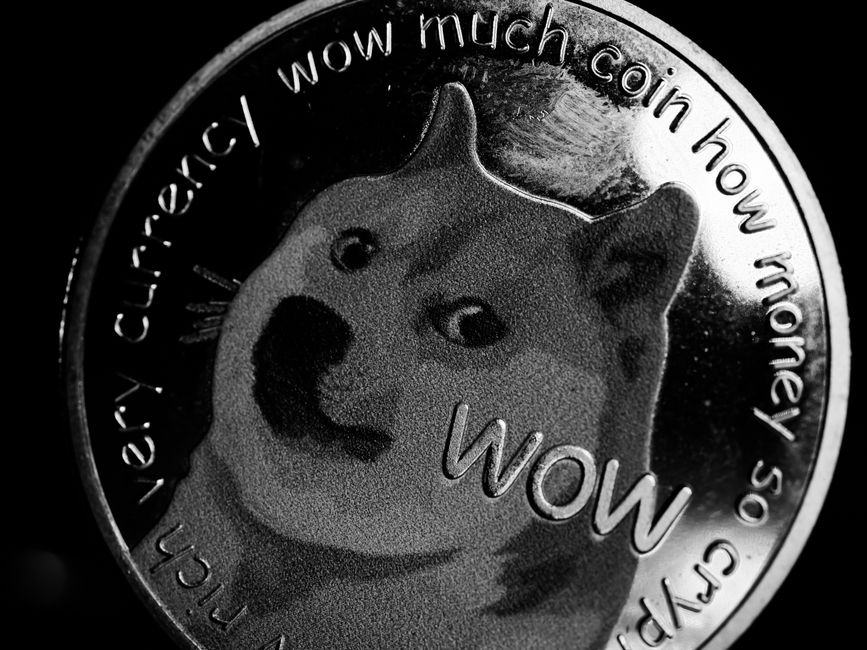
The altcoin landscape in 2026 continues to evolve as digital assets beyond Bitcoin capture investor attention across Reddit communities and trading forums. Understanding which altcoins hold genuine promise requires analyzing market capitalization trends, technological innovation, and community sentiment. The cryptocurrency market remains inherently volatile, with altcoins experiencing price swings that can exceed 20-30% in single trading sessions.
Top-performing altcoins from 2025 provide valuable insight into potential 2026 opportunities, though past performance never guarantees future returns. **Ethereum** maintained its position as the leading smart contract platform, while layer-2 solutions and alternative blockchain ecosystems gained substantial market share. Reddit discussions consistently highlight projects with strong developer activity, transparent governance structures, and clear use cases beyond speculative trading.
The primary risks facing altcoin investors include regulatory uncertainty, technological vulnerabilities, market manipulation, and project abandonment. US investors should recognize that most altcoins lack the institutional backing and liquidity depth of Bitcoin, making them substantially riskier investment vehicles. Never invest funds you cannot afford to lose entirely.
Understanding Altcoins
**Altcoins** are all cryptocurrencies other than Bitcoin, encompassing thousands of digital assets with varying purposes, technologies, and market positions. The term originated as “alternative coins” when early projects like Litecoin and Namecoin emerged to address perceived limitations in Bitcoin’s design. Today’s altcoin universe includes smart contract platforms, decentralized finance (DeFi) tokens, privacy coins, stablecoins, and utility tokens for specific applications.
The fundamental difference between altcoins and Bitcoin centers on design philosophy and intended use cases. Bitcoin prioritizes security, decentralization, and serving as digital gold or a store of value. Most altcoins sacrifice some degree of decentralization or security to offer additional functionality like programmable smart contracts, faster transaction speeds, lower fees, or specialized features for gaming, data storage, or identity management.
Altcoins play a crucial role in cryptocurrency market innovation by experimenting with new consensus mechanisms, governance models, and blockchain architectures. Ethereum introduced smart contracts that enable decentralized applications. Cardano emphasizes peer-reviewed academic research in its development process. Solana prioritizes transaction throughput for high-frequency applications. This diversity allows the broader crypto ecosystem to test different approaches to scalability, security, and decentralization trade-offs.
Top Altcoins to Consider in 2026
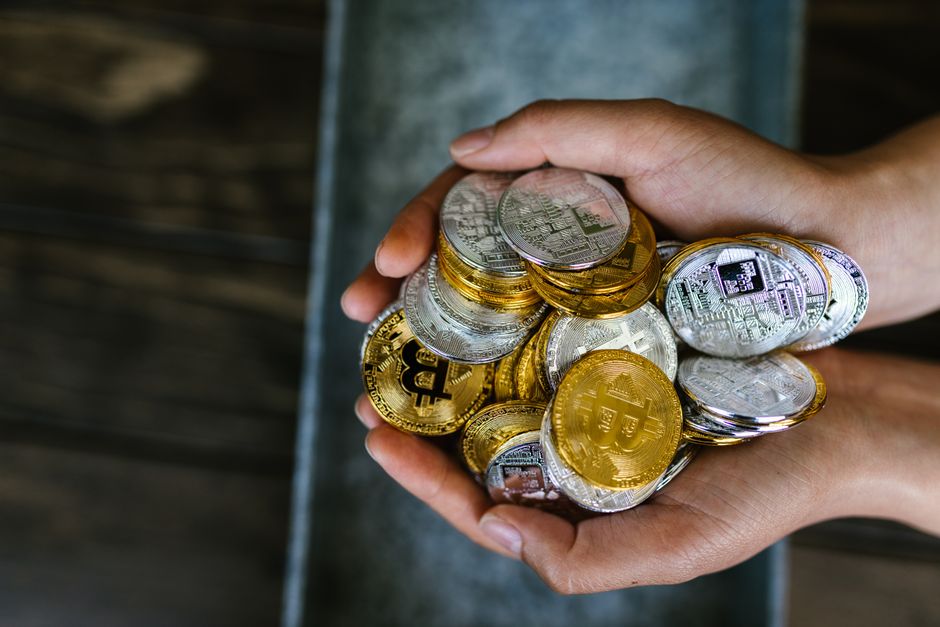
**Ethereum (ETH)** remains the dominant smart contract platform with the largest developer ecosystem and most decentralized application (dApp) activity. Its transition to proof-of-stake consensus reduced energy consumption by over 99% while maintaining network security. Strengths include established network effects, institutional adoption, and a robust roadmap for scaling through layer-2 solutions. Weaknesses involve high gas fees during network congestion and competition from faster, cheaper alternatives. Investment risk centers on execution of technical upgrades and regulatory treatment of staking.
**Solana (SOL)** offers high-speed transactions and low fees, making it attractive for decentralized exchanges, NFT marketplaces, and gaming applications. The network processes thousands of transactions per second compared to Ethereum’s base layer capacity. Strengths include strong venture capital backing, growing developer adoption, and user-friendly wallet experiences. Weaknesses include past network outages, relatively centralized validator distribution, and dependence on continued ecosystem growth. Investors should weigh technological promise against reliability concerns.
**Cardano (ADA)** distinguishes itself through academic rigor and methodical development based on peer-reviewed research. The platform emphasizes sustainability, interoperability, and governance features designed for long-term stability. Strengths include a committed community, focus on emerging markets, and formal verification methods for smart contract security. Weaknesses involve slower feature deployment compared to competitors and relatively limited dApp activity despite years of development. This creates uncertainty about whether deliberate approaches translate to market adoption.
**Polygon (MATIC)** serves as Ethereum’s leading layer-2 scaling solution, offering faster and cheaper transactions while inheriting Ethereum’s security guarantees. Major brands and applications use Polygon to avoid high Ethereum gas fees. Strengths include strong partnerships with consumer brands, compatibility with Ethereum tooling, and diverse scaling technologies under development. Weaknesses involve dependency on Ethereum’s success and intense competition from other layer-2 networks like Arbitrum and Optimism.
**Avalanche (AVAX)** provides a platform for creating customizable blockchain networks with sub-second finality and low transaction costs. The ecosystem attracts DeFi protocols and institutional experiments with tokenized assets. Strengths include innovative consensus mechanisms, subnet architecture for application-specific chains, and incentive programs attracting developers. Weaknesses include smaller network effects compared to Ethereum and uncertainty about long-term sustainability of token incentive programs driving current growth.
Analyzing Altcoin Performance
Technical analysis for altcoins involves examining price charts, volume patterns, and market indicators to identify potential entry and exit points. **Moving averages** help identify trend direction—when shorter-term averages cross above longer-term averages, it may signal upward momentum. **Relative Strength Index (RSI)** measures whether an asset is overbought (above 70) or oversold (below 30), though altcoins can remain in extreme conditions longer than traditional assets during bull or bear markets.
Key metrics for evaluating altcoin fundamentals include **market capitalization**, which indicates overall project value; **trading volume**, which reveals liquidity and investor interest; **circulating supply versus total supply**, which affects potential dilution; and **fully diluted valuation (FDV)**, showing market cap if all tokens were released. Reddit communities often highlight **total value locked (TVL)** for DeFi projects, measuring assets deposited in protocols, and **active addresses**, indicating actual network usage versus speculative trading.
Understanding blockchain technology is essential because technical architecture directly impacts investment risk and potential. Layer-1 blockchains like Ethereum and Solana face the blockchain trilemma—balancing decentralization, security, and scalability. Projects making different trade-offs suit different use cases and carry different risk profiles. **Proof-of-stake** systems concentrate power among large token holders, while **proof-of-work** requires substantial energy. Smart contract vulnerabilities can lead to catastrophic hacks, as demonstrated by repeated DeFi exploits costing hundreds of millions. Evaluate whether a project’s technology is battle-tested or experimental.
Investing in Altcoins
Beginners should start by selecting a reputable US-regulated cryptocurrency exchange like Coinbase, Kraken, or Gemini that offers the altcoins they want to purchase. Complete identity verification (KYC) as required by law, then fund your account through bank transfer or debit card. Research which altcoins the exchange lists, as availability varies—major platforms support top altcoins, while smaller or newer projects may require decentralized exchanges (DEX) accessed through wallets like MetaMask.
Best practices for managing altcoin investments include using **dollar-cost averaging** (DCA) by investing fixed amounts at regular intervals rather than lump sums, which reduces timing risk in volatile markets. Store significant holdings in **hardware wallets** like Ledger or Trezor rather than leaving them on exchanges vulnerable to hacks. Set clear investment goals and exit strategies before purchasing—decide what percentage gain would trigger profit-taking and what loss would prompt exiting the position.
Risk management strategies are critical given altcoin volatility:
- **Position sizing**: Never allocate more than 5-10% of your cryptocurrency portfolio to a single altcoin
- **Portfolio diversification**: Spread investments across different altcoin categories (smart contract platforms, DeFi tokens, layer-2 solutions) rather than concentrating in one sector
- **Stop-loss orders**: Set automatic sell orders at predetermined price levels to limit downside, though be aware of flash crashes that can trigger stops prematurely
- **Rebalancing**: Periodically adjust holdings to maintain target allocations as prices fluctuate
- **Tax planning**: Track all transactions for US tax reporting, as cryptocurrency trades trigger taxable events even when not converted to dollars
Altcoin Investment Risks
Volatility in altcoin markets far exceeds traditional financial assets, with price swings of 50% or more within weeks being common during market cycles. Unlike stocks backed by company earnings or bonds backed by debt obligations, most altcoins derive value purely from speculation about future adoption. Market sentiment can shift rapidly based on social media trends, influencer comments, or technical events, creating extreme price instability. **Liquidity risk** means that selling large positions can move prices significantly, especially for mid-cap and small-cap altcoins.
Regulatory uncertainty poses existential threats to altcoin investments. The US Securities and Exchange Commission (SEC) has taken enforcement actions against numerous projects, claiming their tokens are unregistered securities. This creates legal jeopardy for projects and exchanges listing them, potentially leading to delistings that crash prices. Future regulations could ban certain token types, restrict trading, or impose compliance costs that make projects economically unviable. International regulatory divergence means a project legal in one jurisdiction may face prosecution in another.
Scams and fraudulent activities plague the altcoin space, separating inexperienced investors from their funds:
- **Rug pulls**: Developers abandon projects after raising funds, taking investor money
- **Pump and dump schemes**: Coordinated groups artificially inflate prices then sell, leaving late buyers with losses
- **Impersonation scams**: Fake social media accounts impersonating projects or influencers direct users to phishing sites
- **Ponzi tokenomics**: Projects with unsustainable reward mechanisms that eventually collapse
- **Exchange hacks**: Centralized platforms losing customer funds to security breaches
Due diligence is essential—verify project team identities, audit smart contract code through independent security firms, and remain skeptical of guaranteed returns or “can’t lose” propositions.
Altcoin Investment Strategies
Diversification strategies reduce risk by spreading capital across altcoins with different use cases, technological approaches, and risk profiles. A balanced portfolio might include established platforms like Ethereum alongside emerging layer-1 competitors, DeFi governance tokens, and layer-2 scaling solutions. Avoid over-diversifying into dozens of small positions that become impossible to monitor effectively. Reddit discussions often mention the “barbell strategy”—combining safe, large-cap altcoins with small positions in high-risk, high-reward moonshots.
**Long-term investment** approaches suit altcoins with strong fundamentals, active development, and clear use cases. Holding through market cycles avoids timing mistakes and reduces tax liability from frequent trading. This strategy requires conviction to withstand 70-80% drawdowns during bear markets and patience to wait for adoption. Long-term holders focus on accumulating projects they believe will play major roles in cryptocurrency’s future infrastructure.
**Short-term trading** attempts to profit from altcoin volatility through technical analysis and momentum strategies. Day traders and swing traders capitalize on rapid price movements, often using leverage to amplify gains (and losses). This approach demands constant market monitoring, sophisticated risk management, and emotional discipline to cut losses quickly. Most retail traders lose money attempting short-term strategies due to fees, poor timing, and psychological pressures.
Balancing altcoin investments with Bitcoin and stablecoins creates portfolio stability. Bitcoin serves as a crypto market anchor with deeper liquidity and institutional adoption. Stablecoins like USDC provide safe havens to preserve capital during downturns without exiting to fiat currency and triggering taxable events. A common framework allocates 40-50% to Bitcoin, 30-40% to established altcoins, 10-20% to smaller altcoins, and keeps 10-20% in stablecoins for opportunistic purchases during crashes.
Altcoin Investment Resources
Top US cryptocurrency exchanges for altcoin trading include **Coinbase**, offering user-friendly interfaces and strong regulatory compliance but higher fees; **Kraken**, providing lower fees, more altcoin options, and advanced trading features; and **Gemini**, emphasizing security and insurance for customer funds. For access to newer or smaller altcoins not listed on major exchanges, investors use decentralized exchanges (DEX) like **Uniswap** on Ethereum or **Raydium** on Solana, which require self-custody wallets and greater technical knowledge.
Analysis tools help evaluate altcoin investments:
- **CoinGecko** and **CoinMarketCap**: Track prices, market caps, trading volumes, and historical data across thousands of altcoins
- **Glassnode** and **Nansen**: Provide on-chain analytics showing wallet activity, exchange flows, and holder behavior
- **DeFi Llama**: Aggregates total value locked (TVL) data for decentralized finance protocols
- **Token Terminal**: Displays financial metrics like revenue, fees, and active users for blockchain projects
- **TradingView**: Offers advanced charting tools and technical indicators for price analysis
Staying current with altcoin market trends requires following trusted information sources. Reddit’s r/CryptoCurrency and project-specific subreddits provide community discussion and sentiment, though remain skeptical of hype and shilling. **CoinDesk**, **The Block**, and **Decrypt** publish daily cryptocurrency news and analysis. **Messari** offers in-depth research reports on major projects. Twitter (X) hosts real-time discussion among developers, investors, and analysts, though misinformation and scams are prevalent. YouTube channels like **Coin Bureau** provide educational content, but always verify claims independently before making investment decisions.
Risk Disclaimer
Cryptocurrency investments carry substantial risk and may not be suitable for all investors. Altcoins are highly volatile digital assets that can lose significant value rapidly, including total loss of invested capital. This article provides educational information for analysis purposes only and does not constitute financial advice, investment recommendations, or solicitation to buy or sell any cryptocurrency.
Perform independent research and consult qualified financial advisors before making investment decisions. Consider your financial situation, risk tolerance, investment objectives, and tax implications. Cryptocurrency markets operate 24/7 without circuit breakers or trading halts that protect traditional markets. Regulatory treatment remains uncertain and subject to change. Never invest money you cannot afford to lose completely.
Frequently Asked Questions
What are the risks associated with investing in altcoins?
Altcoin investments face extreme volatility with potential for 50-80% price declines during bear markets, liquidity risk making large sales difficult without moving prices, and smart contract vulnerabilities that can result in total loss through hacks. Regulatory uncertainty threatens project viability as governments worldwide develop cryptocurrency oversight frameworks. Scams including rug pulls, Ponzi schemes, and phishing attacks target inexperienced investors. Project failure rates are high, with most altcoins from previous cycles now worthless.
How can I analyze the performance of altcoins?
Analyze altcoin performance using technical analysis tools like moving averages, RSI, and volume indicators to identify trends and potential entry points. Evaluate fundamental metrics including market capitalization, trading volume, circulating supply, fully diluted valuation, total value locked (for DeFi), and active addresses indicating real usage. Assess blockchain technology architecture, consensus mechanisms, and security track records. Review developer activity, community engagement, partnership announcements, and roadmap execution through platforms like GitHub and project Discord servers.
What resources are available for investing in and analyzing altcoins?
US-regulated exchanges like Coinbase, Kraken, and Gemini provide access to major altcoins with varying fee structures and security features. Decentralized exchanges including Uniswap and PancakeSwap offer broader altcoin selection through self-custody wallets. Analysis platforms like CoinGecko, CoinMarketCap, and Glassnode track pricing, volumes, and on-chain metrics. News sources including CoinDesk, The Block, and Messari publish market analysis and research reports. Reddit communities and project-specific forums provide sentiment insights, though verify information independently before acting.
Charting & Exchange Resources
| Platform | Use Case | Key Feature | Fee Model | Action |
|---|---|---|---|---|
| TradingView | Charting & technical analysis | Indicators, multi-timeframe charts | Free / Pro tiers | View Platform |
| Coinbase | Exchange (beginner-friendly) | Simple USD on-ramp, educational tools | Varies by region | View Platform |
| Binance | Exchange (advanced pairs) | Wide altcoin coverage, spot markets | Varies by region | View Platform |
Affiliate Disclosure: This post contains affiliate links. We may earn a commission if you buy through our links, at no extra cost to you. Investment Risk Disclaimer: Cryptocurrency and digital asset markets are highly volatile. This content is for informational and educational purposes only and is not financial, investment, or trading advice. You may lose some or all of your capital. Do your own research and consult a licensed financial advisor before making investment decisions.
Leave a Reply