Market Context and Trends
The altcoin market in 2026 continues to evolve with institutional adoption reaching new heights and regulatory frameworks becoming clearer across major economies. Reddit communities like r/CryptoCurrency and r/altcoin remain influential spaces where millions of investors share research, debate projects, and identify emerging opportunities. Current market sentiment reflects cautious optimism as the industry matures beyond speculative hype cycles.
Key trends shaping the altcoin landscape include **layer-2 scaling solutions** gaining mainstream traction, decentralized finance (DeFi) protocols becoming more user-friendly, and real-world asset tokenization expanding beyond experimental phases. Reddit discussions increasingly focus on fundamental analysis rather than short-term price movements, signaling a shift toward long-term investment thinking among retail participants.
Market capitalization data shows altcoins collectively representing approximately 40-45% of total cryptocurrency market value, with Bitcoin maintaining dominance but altcoins capturing innovation mindshare. Reddit sentiment analysis tools now track discussion volume, positive-negative ratios, and expert contributor engagement to gauge community interest in specific projects.
Understanding Altcoins
**Altcoins** are all cryptocurrencies other than Bitcoin, encompassing thousands of digital assets with diverse purposes and technologies. The term “alternative coin” originally described early projects like Litecoin and Ethereum that offered different features from Bitcoin’s original design. Today, altcoins range from established platforms like Ethereum to specialized tokens serving specific industries or use cases.
The primary differences between altcoins and Bitcoin include consensus mechanisms (proof-of-stake versus proof-of-work), transaction speeds, smart contract capabilities, and governance structures. While Bitcoin functions primarily as digital gold and a store of value, many altcoins aim to solve specific problems like supply chain tracking, decentralized computing, or cross-border payments.
Diversification across altcoins helps investors manage **cryptocurrency portfolio risk** by spreading exposure beyond Bitcoin’s price movements. Different altcoins often respond differently to market conditions, regulatory news, and technological developments. A balanced approach typically includes major platform tokens, mid-cap projects with proven use cases, and carefully selected smaller-cap opportunities aligned with personal risk tolerance.
Top Altcoins for 2026 (Part 1)
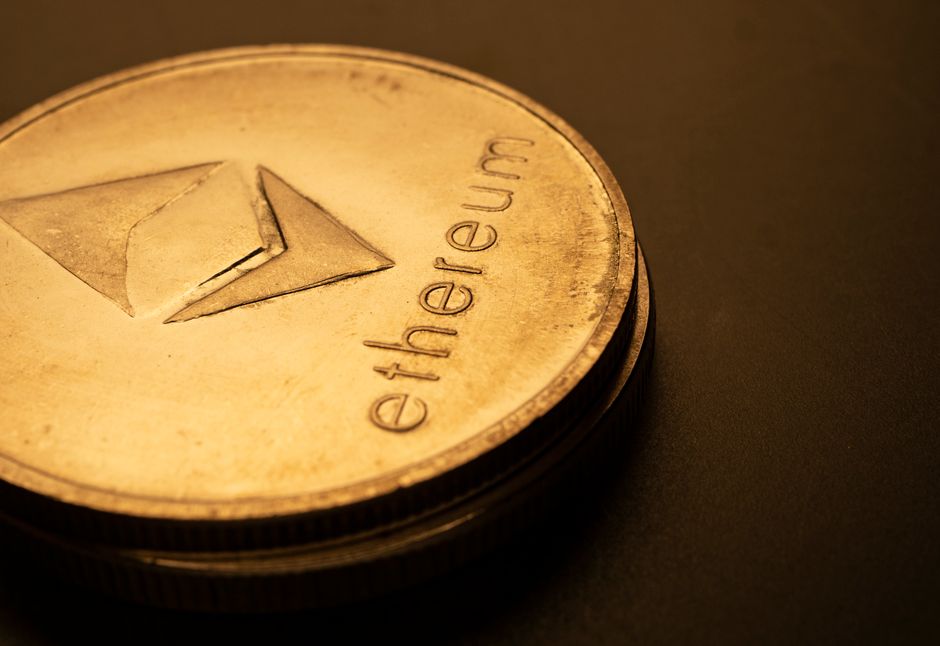
Reddit communities consistently highlight **Ethereum (ETH)** as a foundational altcoin investment due to its established developer ecosystem, ongoing upgrades, and dominant position in decentralized applications. The platform’s transition to proof-of-stake reduced energy consumption by over 99%, addressing environmental concerns while maintaining security. Ethereum’s network processes billions of dollars in daily transaction volume across DeFi, NFTs, and enterprise applications.
Risk assessment for Ethereum includes competition from newer layer-1 blockchains, potential regulatory scrutiny of DeFi protocols, and technical challenges in scaling to billions of users. Investment considerations include staking opportunities (earning 3-5% annual yield), exposure to the broader DeFi ecosystem, and Ethereum’s role as collateral across numerous protocols.
**Solana (SOL)** remains a Reddit favorite for its high-speed transaction processing and lower fees compared to Ethereum. The network’s architecture supports thousands of transactions per second, making it attractive for applications requiring fast settlement. Solana’s ecosystem includes popular decentralized exchanges, NFT marketplaces, and gaming projects that benefit from near-instant confirmation times.
Vulnerabilities include past network outages that raised questions about decentralization and reliability. The project’s relatively concentrated validator set compared to more established networks presents centralization risks. However, ongoing infrastructure improvements and growing institutional interest through products like Solana ETFs (if approved) support the long-term investment case.
**Cardano (ADA)** appeals to investors seeking a research-driven approach to blockchain development. The platform’s peer-reviewed methodology and focus on formal verification distinguish it from competitors. Cardano’s governance model allows token holders to vote on protocol changes and treasury fund allocation, creating stakeholder alignment.
Adoption metrics show steady growth in decentralized applications, though critics note slower development pace compared to competitors. The trade-off between thorough academic review and market speed remains a topic of debate in Reddit discussions. Investment considerations include staking rewards (typically 3-5% annually) and exposure to emerging markets where Cardano focuses partnership efforts.
Top Altcoins for 2026 (Part 2)
**Polygon (MATIC)** serves as Ethereum’s leading scaling solution, processing transactions at a fraction of mainnet costs while maintaining security through Ethereum’s base layer. The network’s adoption by major brands, gaming companies, and DeFi protocols demonstrates practical utility beyond speculation. Reddit communities praise Polygon’s user experience improvements that make blockchain applications accessible to mainstream audiences.
Comparative strengths include seamless Ethereum compatibility, strong developer support, and strategic partnerships with Web2 companies transitioning to Web3. Weaknesses involve dependency on Ethereum’s success and competition from alternative layer-2 solutions like Arbitrum and Optimism. Portfolio allocation considerations suggest Polygon as a complement to direct Ethereum holdings rather than a replacement.
**Chainlink (LINK)** provides essential oracle services connecting blockchain smart contracts to real-world data feeds. The project’s technology underpins billions of dollars in DeFi protocols requiring accurate price information, weather data, or sports scores. Reddit analysis emphasizes Chainlink’s first-mover advantage and extensive integration across multiple blockchain ecosystems.
Investment analysis reveals **network effects** as Chainlink’s primary moat—each new integration increases the value and reliability of the oracle network. Risk factors include potential competition from blockchain-native data solutions and the technical complexity of oracle security. The token’s utility in staking and payment for data services provides fundamental value beyond pure speculation.
**Avalanche (AVAX)** combines high throughput with subnet architecture allowing customized blockchain deployments. The platform attracts enterprises and governments seeking private, permissioned networks that can interoperate with public blockchains. Reddit discussions highlight Avalanche’s subnet model as innovative infrastructure for institutional adoption.
Optimal portfolio allocation across these altcoins depends on individual risk tolerance and investment timeframe. Conservative approaches might emphasize 60-70% in established platforms (Ethereum, Solana) with 20-30% in specialized infrastructure plays (Chainlink, Polygon) and 10% in higher-risk opportunities. More aggressive strategies increase exposure to mid-cap projects with stronger growth potential but higher volatility.
| **Altcoin** | **Primary Use Case** | **Market Cap Tier** | **Key Risk Factor** |
|---|---|---|---|
| Ethereum | Smart contract platform | Large-cap | Scaling challenges |
| Solana | High-speed transactions | Large-cap | Network stability |
| Cardano | Research-driven blockchain | Large-cap | Development pace |
| Polygon | Ethereum scaling | Mid-cap | Ethereum dependency |
| Chainlink | Oracle data feeds | Mid-cap | Competition risk |
| Avalanche | Custom subnets | Mid-cap | Adoption uncertainty |
Investing Strategies and Tips
Successful altcoin investing begins with **fundamental research** examining project whitepapers, team credentials, token economics, and real-world adoption metrics. Reddit communities provide valuable crowdsourced analysis, but cross-reference claims with official documentation, blockchain explorers, and independent technical audits. Look for projects with active GitHub repositories, transparent governance, and clear development roadmaps.
Dollar-cost averaging (DCA) reduces timing risk by spreading purchases over weeks or months rather than investing lump sums. This strategy performs particularly well in volatile altcoin markets where price swings of 20-30% occur frequently. Set predetermined purchase schedules (weekly or biweekly) and stick to the plan regardless of short-term price movements.
Diversification across different altcoin categories—layer-1 platforms, DeFi protocols, infrastructure projects, and specialized applications—provides balanced exposure to various growth drivers. Avoid over-concentration in correlated assets that move together during market downturns. A common mistake involves chasing recently pumped coins highlighted in Reddit posts rather than building positions during accumulation phases.
Due diligence checklists should include:
- **Team verification**: Track record, transparency, and relevant expertise
- **Token distribution**: Fair launch versus heavy insider allocation
- **Use case validation**: Real users or speculative interest only
- **Security audits**: Smart contract reviews by reputable firms
- **Community health**: Organic growth versus bot-driven engagement
Risk management involves position sizing appropriate to volatility—higher-risk altcoins warrant smaller allocations. Never invest more than you can afford to lose completely, as even promising projects face existential risks from technical failures, regulatory action, or competitive displacement. Set stop-loss levels or rebalancing triggers to lock in profits and limit downside exposure.
Altcoin Investment Risks and Disclaimers
Cryptocurrency markets exhibit **extreme volatility** with altcoins frequently experiencing 50-80% drawdowns even during broader bull markets. Price movements often disconnect from fundamental developments, driven instead by speculation, macroeconomic conditions, or market manipulation. The 24/7 trading environment and global liquidity create rapid price changes that can liquidate leveraged positions in minutes.
Regulatory uncertainty remains a significant risk factor as governments worldwide develop frameworks for digital assets. Potential classification changes could impact token utility, exchange listings, or tax treatment. Projects operating in gray areas face existential threats from enforcement actions, while even compliant projects may suffer from regulatory overreach or poorly designed rules.
Technical risks include smart contract vulnerabilities, consensus mechanism failures, and blockchain reorganizations that could result in total loss of funds. Many altcoins lack the battle-testing and security research applied to Bitcoin and Ethereum. Newer projects may contain undiscovered bugs that hackers exploit, with limited recourse for affected users.
**DISCLAIMER**: This article provides educational information only and does not constitute financial, investment, tax, or legal advice. Cryptocurrency investments carry substantial risk of loss. Past performance does not guarantee future results. Always conduct thorough independent research, understand the technology and risks involved, and consult qualified financial advisors before making investment decisions. The author and publisher assume no responsibility for financial outcomes resulting from information presented here.
Practical Takeaways for US Readers
Getting started with altcoin investing requires establishing accounts on reputable cryptocurrency exchanges that serve US customers. Major platforms like Coinbase, Kraken, and Gemini offer user-friendly interfaces, regulatory compliance, and insurance on custodied funds. Compare fee structures—maker-taker fees typically range from 0.1% to 0.5% per trade, with some platforms offering lower rates for higher volume traders.
Choosing between **centralized exchanges** and **decentralized exchanges (DEXs)** involves trade-offs. Centralized platforms provide customer support, fiat on-ramps, and familiar interfaces but require trusting the exchange with custody. DEXs offer greater privacy and direct wallet control but present steeper learning curves and higher risk of user error. Beginners typically start with regulated centralized exchanges before exploring DEX options.
Wallet security is paramount—hardware wallets like Ledger or Trezor provide cold storage for long-term holdings, while hot wallets facilitate active trading and DeFi participation. Never store significant amounts on exchanges long-term, as exchange hacks and insolvencies can result in total loss. Use strong unique passwords, enable two-factor authentication, and backup seed phrases securely offline.
US tax implications require careful attention as the IRS treats cryptocurrency as property subject to capital gains tax. Every trade between cryptocurrencies triggers a taxable event, not just conversions to US dollars. Maintain detailed records of acquisition dates, cost basis, and transaction history. Crypto tax software like CoinTracker or Koinly integrates with exchanges to generate IRS forms. Short-term capital gains (held under one year) face ordinary income tax rates up to 37%, while long-term gains receive preferential rates of 0%, 15%, or 20% depending on income level.
Reporting requirements mandate disclosure of cryptocurrency holdings on tax returns using Form 8949 and Schedule D. The 2026 Infrastructure Bill strengthened reporting rules for exchanges and brokers, making compliance essential. Failure to report crypto income or gains can result in penalties, interest, and potential criminal prosecution for willful evasion.
Frequently Asked Questions
Q: What are the benefits of investing in altcoins?
A: Altcoins offer higher growth potential than Bitcoin due to smaller market capitalizations and specialized use cases. They provide portfolio diversification across different blockchain technologies and sectors. Many altcoins generate passive income through staking rewards (3-10% annually) or yield farming opportunities in DeFi protocols. Early investment in promising projects can deliver substantial returns, though this comes with proportionally higher risk.
Q: How can I identify promising altcoins to invest in?
A: Focus on projects solving real problems with working products and measurable adoption metrics. Evaluate the team’s track record, transparency, and technical expertise through LinkedIn profiles and GitHub activity. Examine token economics for fair distribution and sustainable incentive structures. Check for security audits, active development, and organic community growth rather than paid marketing hype. Reddit discussions provide crowd-sourced research, but verify claims independently through blockchain explorers and official documentation.
Q: What are the most common mistakes made by altcoin investors?
A: Chasing pumps after dramatic price increases rather than building positions during accumulation phases leads to buying tops. Over-concentration in a single altcoin or correlated assets eliminates diversification benefits. Neglecting security practices like hardware wallets and seed phrase backups exposes investors to theft and loss. Failing to take profits during bull markets and rebalance portfolios results in giving back gains during corrections. Trading based on emotions, FOMO, or Reddit hype instead of disciplined strategy consistently underperforms systematic approaches.
Charting & Exchange Resources
| Platform | Use Case | Key Feature | Fee Model | Action |
|---|---|---|---|---|
| TradingView | Charting & technical analysis | Indicators, multi-timeframe charts | Free / Pro tiers | View Platform |
| Coinbase | Exchange (beginner-friendly) | Simple USD on-ramp, educational tools | Varies by region | View Platform |
| Binance | Exchange (advanced pairs) | Wide altcoin coverage, spot markets | Varies by region | View Platform |
Affiliate Disclosure: This post contains affiliate links. We may earn a commission if you buy through our links, at no extra cost to you. Investment Risk Disclaimer: Cryptocurrency and digital asset markets are highly volatile. This content is for informational and educational purposes only and is not financial, investment, or trading advice. You may lose some or all of your capital. Do your own research and consult a licensed financial advisor before making investment decisions.
Leave a Reply