Bitcoin and Ethereum Market Overview
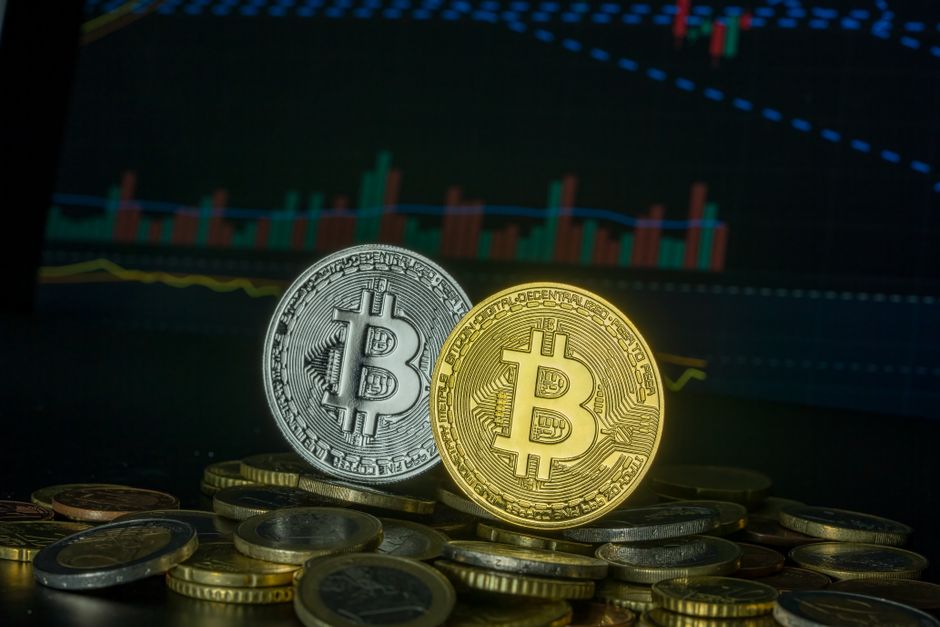
Bitcoin (BTC) and Ethereum (ETH) continue to dominate the cryptocurrency landscape as the two largest digital assets by market capitalization. Bitcoin currently trades as digital gold, serving primarily as a store of value, while Ethereum functions as the backbone of decentralized finance (DeFi) and non-fungible token (NFT) ecosystems. Understanding why these assets trend requires examining both fundamental developments and market sentiment drivers.
Several key factors influence price movements for both cryptocurrencies. **Institutional adoption** has accelerated significantly, with major financial institutions offering crypto custody services and investment products. Regulatory developments in the United States, including Securities and Exchange Commission (SEC) guidance on crypto classification, create immediate market reactions. The approval of spot Bitcoin exchange-traded funds (ETFs) in early 2024 marked a watershed moment for mainstream acceptance.
Trading volumes for both assets remain substantial across global exchanges. Bitcoin typically sees daily trading volumes exceeding $30 billion, while Ethereum maintains $15-20 billion in daily volume. These figures demonstrate robust market liquidity, though they fluctuate based on market conditions and major news events. The Bitcoin halving event in April 2024 reduced mining rewards, historically a catalyst for price appreciation in subsequent months.
Technical Analysis Fundamentals
Technical analysis examines historical price data and trading volumes to identify patterns that may indicate future price movements. For cryptocurrency markets, technical analysis provides one framework for understanding market psychology and potential entry or exit points. Common indicators include moving averages, relative strength index (RSI), and moving average convergence divergence (MACD).
**Moving averages** smooth out price data by creating a constantly updated average price over specific time periods. The 50-day and 200-day moving averages are widely watched by traders. When shorter-term averages cross above longer-term averages (a “golden cross”), this may signal bullish momentum. Conversely, when shorter averages cross below longer averages (a “death cross”), this may indicate bearish conditions.
Support and resistance levels represent price points where assets historically have difficulty moving below or above. These levels form through repeated testing at specific price ranges. Traders often place buy orders near support levels and sell orders near resistance levels. However, technical analysis is not predictive—it identifies probabilities based on historical patterns, not certainties about future price action.
| Indicator | Purpose | Timeframe |
|---|---|---|
| Moving Average (MA) | Identify trend direction | 50-day, 200-day |
| RSI | Measure overbought/oversold conditions | 14-day |
| MACD | Detect momentum changes | 12/26/9-day |
| Bollinger Bands | Assess volatility | 20-day |
Investment Risks and Considerations
Cryptocurrency investments carry substantial risks that every investor must understand before allocating capital. **Extreme volatility** characterizes crypto markets—both Bitcoin and Ethereum have experienced 30-50% drawdowns within single months during bear markets. This volatility creates opportunities for gains but also potential for significant capital loss. Never invest more than you can afford to lose completely.
Regulatory uncertainty remains a persistent risk factor. United States regulatory agencies continue developing frameworks for crypto oversight, with enforcement actions against exchanges and token projects creating market uncertainty. Changes in tax treatment, securities classification, or banking access for crypto businesses can trigger sharp price movements. International regulatory developments, particularly in major economies like the European Union and China, also impact global crypto markets.
Market manipulation risks exist, particularly during low-liquidity periods. Large holders (“whales”) can influence prices through coordinated trading. Social media sentiment and celebrity endorsements have demonstrated power to move markets rapidly, sometimes divorced from fundamental value. The nascent nature of crypto markets means traditional market protections remain less developed than in regulated securities markets.
**Security risks** include exchange hacks, wallet vulnerabilities, and phishing attacks. Investors must understand proper security practices, including hardware wallet usage, two-factor authentication, and recognition of common scams. Lost private keys mean permanently lost funds—there is no customer service hotline to recover access.
Practical Investment Strategies
Successful cryptocurrency investing requires disciplined strategy rather than emotional decision-making. **Dollar-cost averaging (DCA)** involves investing fixed dollar amounts at regular intervals regardless of price. This strategy reduces the impact of volatility by spreading purchases across different market conditions. Many investors allocate a small percentage of their overall portfolio (typically 1-5%) to cryptocurrencies as speculative holdings.
Diversification within crypto holdings helps manage concentration risk. Rather than allocating entirely to Bitcoin or Ethereum, investors might split allocations between multiple assets with different use cases. However, diversification should not mean investing in every available cryptocurrency—focus on established projects with clear utility and development activity.
Timing market entries and exits perfectly is exceptionally difficult even for professional traders. Instead of attempting to catch exact tops and bottoms, consider **scaling in and out** of positions gradually. When entering positions, split intended investments into multiple purchases over weeks or months. When taking profits, sell portions at predetermined price targets rather than attempting to exit entire positions at peak prices.
Risk management tools include stop-loss orders (automatic sell orders triggered at specific prices) and position sizing appropriate to your risk tolerance. Advanced investors may utilize options or futures contracts to hedge positions, though these instruments introduce additional complexity and costs. Most retail investors should focus on spot holdings (direct ownership of cryptocurrencies) rather than leveraged products.
Cryptocurrency Exchanges and Platforms
Selecting the right cryptocurrency exchange significantly impacts your investing experience. Major United States-based exchanges include Coinbase, Kraken, and Gemini, each offering different features, fee structures, and asset selections. Coinbase provides the most user-friendly interface for beginners, while Kraken offers more advanced trading tools and lower fees for active traders.
**Trading fees** vary significantly across platforms. Most exchanges charge percentage-based fees on transaction values, typically ranging from 0.1% to 0.5% per trade. Coinbase’s simple interface comes with higher fees (up to 1.5% for small purchases), while Coinbase Pro offers lower fees for the same underlying exchange. Volume-based fee tiers reward active traders with reduced rates.
Security features should be a primary consideration when selecting an exchange. Look for platforms offering cold storage for customer funds, insurance coverage against hacks, and robust two-factor authentication. Exchanges holding BitLicense approval from the New York State Department of Financial Services (NYDFS) have undergone stringent regulatory review. Research whether exchanges have experienced previous security breaches and how they responded.
| Exchange | Trading Fees | Security Features | Best For |
|---|---|---|---|
| Coinbase | 0.5-1.5% | Insurance, cold storage | Beginners |
| Kraken | 0.16-0.26% | Proof of reserves | Active traders |
| Gemini | 0.35-1.49% | FDIC insurance (USD) | Security-focused |
| Binance.US | 0.1-0.5% | SAFU fund | Low fees |
Using Financial Charts for Analysis
Financial charting platforms provide essential tools for analyzing cryptocurrency price movements. TradingView has become the industry standard, offering free and paid tiers with extensive technical indicators and drawing tools. The platform allows users to create custom indicators, set price alerts, and share chart analyses with the community.
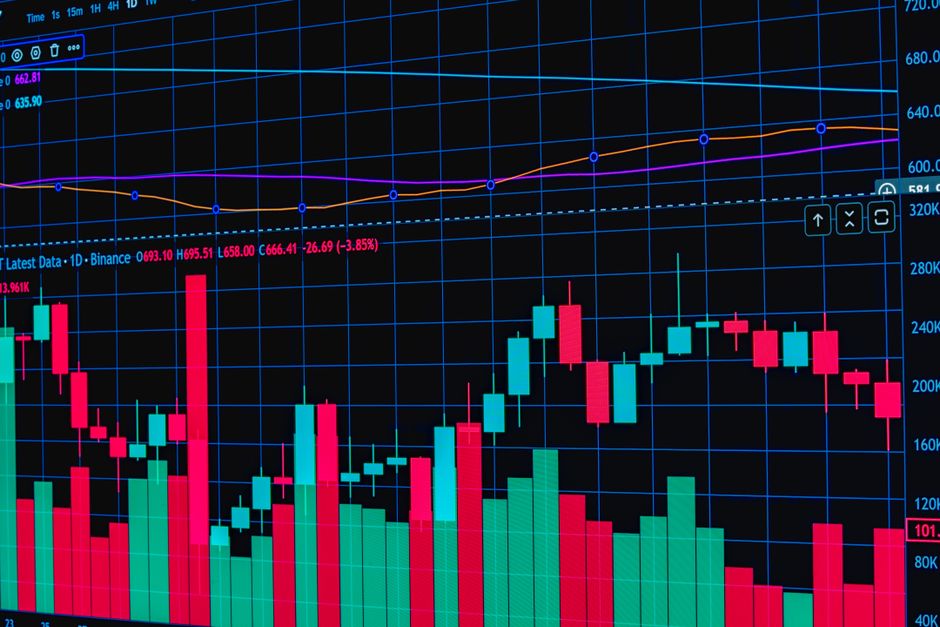
**Candlestick charts** display four key price points for each time period: opening price, closing price, highest price, and lowest price. Green (or white) candles indicate periods where closing price exceeded opening price (bullish), while red (or black) candles show periods where closing price fell below opening price (bearish). Wicks extending from candles show the full price range during that period.
Common chart patterns include head and shoulders (potential trend reversal), triangles (continuation patterns), and double tops/bottoms (reversal patterns). While these patterns provide frameworks for analysis, they are not guarantees of future price action. Many patterns fail to complete or resolve contrary to traditional interpretations, particularly in highly volatile crypto markets.
Customizing charts effectively requires selecting appropriate timeframes for your investment horizon. Day traders focus on 5-minute to 1-hour charts, while long-term investors analyze daily and weekly timeframes. Using multiple timeframe analysis helps contextualize short-term movements within longer-term trends. Most platforms allow saving custom chart layouts with preferred indicators and settings.
Case Studies: Successful Bitcoin and Ethereum Investors
Early Bitcoin adopters who maintained conviction through multiple boom-bust cycles have achieved extraordinary returns, though their experiences offer instructive lessons beyond simple “buy and hold” narratives. One consistent pattern among successful long-term crypto investors is **position sizing discipline**—allocating only amounts they could afford to hold through 80% drawdowns without panic selling.
Professional investors who entered cryptocurrency markets brought traditional finance risk management practices. They employed strategies like rebalancing portfolios when crypto allocations exceeded target percentages, taking profits systematically rather than riding entire positions through volatility. Successful institutional investors typically entered positions gradually over months rather than deploying full allocations during single market conditions.
**Due diligence separates** successful investors from those chasing hype cycles. Winning strategies involved researching development activity on GitHub repositories, understanding tokenomics and supply schedules, and evaluating real-world adoption metrics rather than price action alone. Investors who focused on fundamental improvements in blockchain technology and expanding use cases demonstrated better long-term performance than those trading based solely on social media sentiment.
Common mistakes among unsuccessful investors include over-leveraging positions, panic selling during drawdowns, and chasing parabolic price movements. Many retail investors who entered near market cycle peaks during periods of extreme media coverage experienced significant losses. The lesson is clear: strong investment performance requires patience, disciplined risk management, and realistic expectations rather than hopes for overnight wealth.
Investment Risk Disclaimer
Cryptocurrency investments involve substantial risk of loss and are not suitable for all investors. Bitcoin, Ethereum, and other digital assets experience extreme price volatility—historical drawdowns of 70-80% from peak prices have occurred multiple times. Past performance does not indicate future results, and no investment strategy can guarantee profits or protect against losses in declining markets.
This article provides educational information only and does not constitute financial advice, investment recommendations, or an offer to buy or sell any securities or cryptocurrencies. Every investor’s financial situation, risk tolerance, and investment objectives differ. Before making any investment decisions, consult with qualified financial advisors who understand your specific circumstances.
Regulatory treatment of cryptocurrencies continues evolving, with potential for significant changes in legal status, tax treatment, or market access. Cryptocurrency investments may result in total loss of capital. Only invest amounts you can afford to lose completely without impacting your financial security or life goals. Conduct thorough independent research before making any investment decisions.
Frequently Asked Questions
Q: What are the main differences between Bitcoin and Ethereum?
A: Bitcoin functions primarily as a store of value and payment system, often called “digital gold” with a fixed supply of 21 million coins. Ethereum operates as a programmable blockchain platform enabling smart contracts, decentralized applications (dApps), and DeFi protocols. Ethereum’s functionality extends far beyond simple value transfer, supporting complex financial instruments and NFTs. Bitcoin prioritizes security and decentralization, while Ethereum emphasizes flexibility and programmability. Both serve different purposes in the crypto ecosystem and are not directly competing for the same use cases.
Q: How can I use technical analysis to make better investment decisions?
A: Technical analysis provides one framework for understanding market sentiment and potential entry or exit points, though it cannot predict future prices with certainty. Start by learning basic indicators like moving averages and RSI to identify potential trend directions and overbought or oversold conditions. Combine technical signals with fundamental analysis of project developments and broader market conditions. Use multiple timeframes to contextualize short-term movements within longer-term trends. Most importantly, employ proper risk management with stop-loss orders and position sizing rather than relying on technical signals alone.
Q: What are the risks associated with investing in cryptocurrencies?
A: Cryptocurrencies carry multiple significant risks including extreme price volatility, regulatory uncertainty, security vulnerabilities, and market manipulation potential. Prices can decline 30-50% within weeks during bear markets, and total loss of invested capital is possible. Regulatory changes may impact legal status or market access. Exchange hacks, lost private keys, and scams represent security risks requiring careful protective measures. Market manipulation by large holders and social media-driven price movements create additional unpredictability. Only invest amounts you can afford to lose completely, and never invest borrowed money or funds needed for essential expenses.
Explore more trending cryptos guides on our site.
Charting & Exchange Resources
| Platform | Use Case | Key Feature | Fee Model | Action |
|---|---|---|---|---|
| TradingView | Charting & technical analysis | Indicators, multi-timeframe charts | Free / Pro tiers | View Platform |
| Coinbase | Exchange (beginner-friendly) | Simple USD on-ramp, educational tools | Varies by region | View Platform |
| Binance | Exchange (advanced pairs) | Wide altcoin coverage, spot markets | Varies by region | View Platform |
Affiliate Disclosure: This post contains affiliate links. We may earn a commission if you buy through our links, at no extra cost to you. Investment Risk Disclaimer: Cryptocurrency and digital asset markets are highly volatile. This content is for informational and educational purposes only and is not financial, investment, or trading advice. You may lose some or all of your capital. Do your own research and consult a licensed financial advisor before making investment decisions.
Leave a Reply