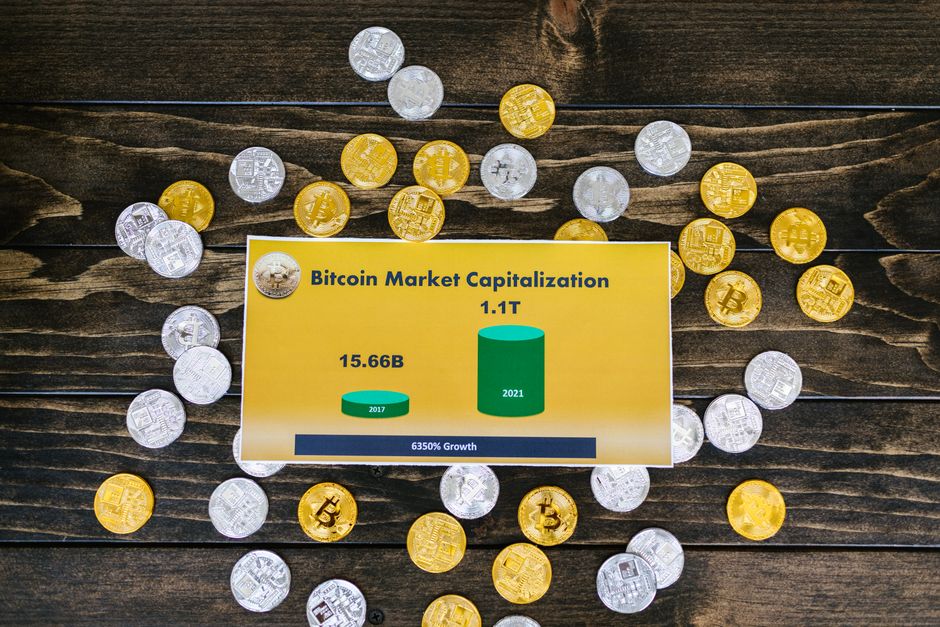
Introduction: Understanding Crypto Market Volatility in 2026
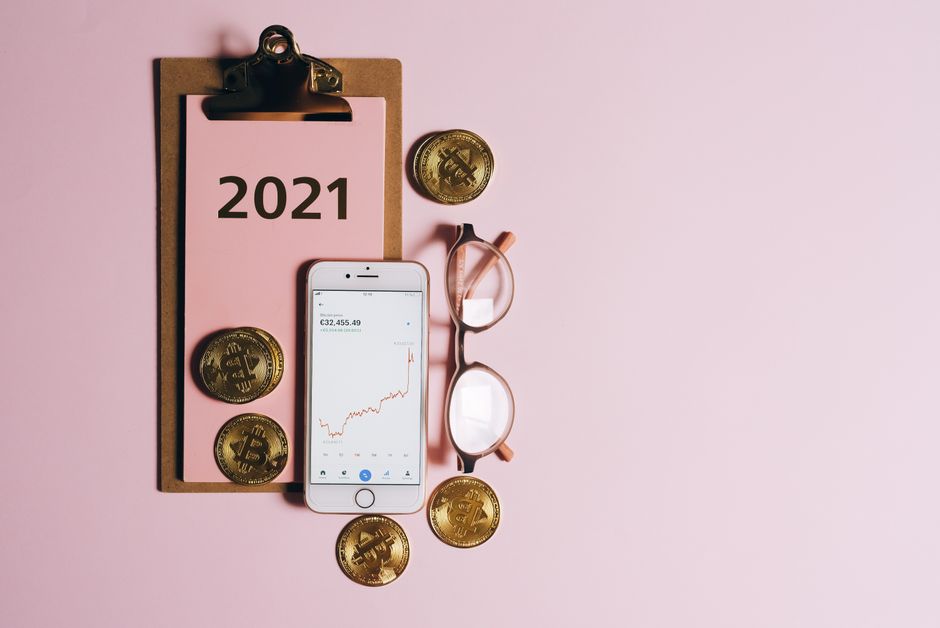
Cryptocurrency markets in 2026 continue to experience significant price swings that can challenge even experienced investors. **Crypto volatility** refers to the rapid and substantial changes in asset prices over short periods, a defining characteristic that separates digital assets from traditional investments. Understanding this volatility is essential for anyone considering crypto investments, as it directly impacts potential gains and losses.
Historical examples illustrate the dramatic nature of crypto price movements. Bitcoin (BTC) has experienced multiple 50-80% corrections throughout its history, while individual altcoins have seen even more extreme fluctuations. In previous market cycles, assets climbing 300-500% in weeks subsequently lost 70-90% of their value within months. These patterns demonstrate why volatility knowledge is non-negotiable for crypto participants.
The impact on investors and traders varies significantly based on strategy and risk tolerance. Long-term holders may weather volatility by maintaining positions through market cycles, while active traders attempt to profit from short-term price movements. Both approaches carry substantial risk, and neither guarantees positive returns in this unpredictable market environment.
Causes of Crypto Volatility
Multiple interconnected factors drive cryptocurrency price volatility. **Market sentiment** plays an outsized role compared to traditional assets, as crypto markets operate 24/7 globally with relatively lower liquidity than established financial markets. Regulatory announcements from major economies like the United States, European Union, or China can trigger immediate double-digit percentage moves across the entire crypto market.
Media coverage and social media amplify price movements through information cascades. A single tweet from an influential figure or a viral news article can spark buying or selling pressure that moves markets billions of dollars within hours. Platform algorithms prioritize engagement, often spreading speculative content faster than balanced analysis, creating feedback loops that intensify volatility.
Global economic conditions increasingly correlate with crypto market behavior. Interest rate decisions by the Federal Reserve, inflation data, banking sector stability, and geopolitical tensions all influence investor risk appetite. During periods of economic uncertainty, cryptocurrencies may experience heightened volatility as investors reassess allocation to speculative assets versus traditional safe havens.
Measuring and Analyzing Crypto Volatility

Quantifying volatility requires specific tools and metrics beyond simple price observation. **Historical volatility** measures past price fluctuations over defined periods, typically calculated using standard deviation of returns. Implied volatility, derived from options markets, reflects trader expectations about future price swings. Both metrics provide complementary perspectives on market conditions.
Cryptocurrency exchanges and charting platforms offer essential data for volatility analysis. Tools like TradingView, Glassnode, and exchange-native analytics display price action, volume patterns, and on-chain metrics that contextualize current volatility. Comparing current volatility levels to historical ranges helps investors gauge whether markets are unusually calm or agitated relative to past behavior.
Understanding historical volatility patterns informs smarter investment decisions. Assets with consistently high volatility require different position sizing and risk management compared to relatively stable cryptocurrencies. New investors often underestimate how large percentage moves feel when experienced in real-time with actual capital at risk, making historical context invaluable for setting realistic expectations.
Top Trending Cryptos in 2026: What to Watch
Bitcoin (BTC) remains the dominant cryptocurrency by market capitalization and trading volume in 2026. As the first and most established digital asset, Bitcoin often leads broader market trends. Its performance reflects institutional adoption rates, regulatory clarity progress, and macroeconomic conditions affecting risk assets globally. However, past performance provides no guarantee of future results.
Ethereum (ETH) continues evolving as the leading smart contract platform, with ongoing technical upgrades aimed at improving scalability and reducing transaction costs. Competition from alternative Layer 1 blockchains creates pressure, while Ethereum’s established developer ecosystem and decentralized application (DApp) ecosystem provide network effects. The platform’s utility in decentralized finance (DeFi), non-fungible tokens (NFTs), and other applications influences its market position.
Emerging altcoins and tokens enter the market continuously, each promoting unique technological approaches or use cases. Some trending assets in 2026 focus on solving specific problems like cross-chain interoperability, privacy enhancements, or real-world asset tokenization. Others represent governance tokens for DeFi protocols or new blockchain networks. Investors must exercise extreme caution, as the majority of new crypto projects historically fail or lose significant value.
**Red flags to watch for include:**
- Anonymous development teams with no verifiable track record
- Unrealistic promises of guaranteed returns or “risk-free” gains
- Pressure tactics encouraging immediate investment before “missing out”
- Lack of transparent tokenomics or unclear use cases for the token
- Projects heavily promoted through paid influencer marketing without substantive development updates
Managing Risk in a Volatile Crypto Market
Risk management separates sustainable crypto participation from gambling. **Diversification** across multiple cryptocurrencies, asset classes, and investment timeframes can reduce exposure to any single asset’s volatility. However, diversification within crypto alone provides limited protection during market-wide downturns, when correlations between assets typically increase and most cryptocurrencies decline together.
Position sizing represents a critical risk control mechanism. Investing only capital you can afford to lose completely without affecting essential financial obligations protects against catastrophic outcomes. Many experienced investors limit crypto exposure to a small percentage of overall investment portfolios, acknowledging the asset class’s speculative nature and elevated risk profile.
Stop-loss orders automatically sell positions when prices decline to predetermined levels, limiting potential losses. While useful for active traders, stop-losses carry tradeoffs: they guarantee selling during downturns but may trigger during temporary dips before recoveries. Market volatility can cause “stop-loss hunting,” where prices briefly spike down to trigger stops before reversing. Understanding these dynamics helps investors deploy stop-losses effectively within broader strategies.
Practical Tips for Navigating Crypto Volatility
Developing a robust investment strategy begins with thorough research—commonly abbreviated as **DYOR** (Do Your Own Research) in crypto communities. This means reading project whitepapers, evaluating team credentials, understanding tokenomics, assessing real-world adoption metrics, and identifying potential technical or regulatory risks. Relying solely on social media recommendations or influencer endorsements exposes investors to manipulation and misinformation.
Staying informed requires curating reliable information sources. Reputable outlets include CoinDesk, Decrypt, The Block, and Cointelegraph for news coverage. For analysis, resources like Glassnode’s on-chain analytics, Messari’s research reports, and established crypto analysts provide data-driven perspectives. Be skeptical of sources that consistently promote specific projects without disclosing financial relationships.
Common beginner mistakes cost investors substantial capital. **Emotional trading** based on fear or greed rather than strategic analysis leads to buying near tops and selling near bottoms. Overtrading generates excessive fees and tax complications. Failing to secure assets properly through hardware wallets or reputable custody solutions creates theft risk. Ignoring tax obligations on crypto transactions can result in penalties and legal issues.
Investment Risk Disclaimer
**This article provides educational information only and does not constitute financial, investment, or legal advice.** Cryptocurrency investments carry substantial risk, including potential complete loss of capital. Market volatility can result in rapid, significant value changes. Regulatory environments remain uncertain and subject to change. Past performance does not predict future results.
Before investing in cryptocurrencies, consult qualified financial advisors familiar with your individual circumstances, risk tolerance, and financial goals. Conduct independent research and understand that you alone bear responsibility for investment decisions and their outcomes. Never invest more than you can afford to lose completely.
Frequently Asked Questions
What is the best way to stay informed about crypto market volatility?
A: Combine multiple information sources for balanced perspective. Follow established crypto news outlets like CoinDesk and The Block for breaking news. Use analytics platforms such as Glassnode or CoinGecko for real-time market data and on-chain metrics. Participate in quality online communities like specific subreddits or Discord servers focused on education rather than hype. Set up price alerts through exchange apps or portfolio trackers to monitor significant movements without obsessively checking prices.
How can I protect my investments from sudden market downturns?
A: Implement multiple protective layers. Diversify across different cryptocurrencies, but also maintain positions in non-crypto assets to reduce overall portfolio volatility. Use stop-loss orders strategically for trading positions, placing them at levels that account for normal volatility. Consider dollar-cost averaging (DCA) for long-term positions, which spreads purchases over time and reduces timing risk. Most importantly, size positions appropriately—only allocate capital you can afford to lose without affecting essential financial needs.
What are the most common mistakes made by beginner crypto investors?
A: The primary mistake is inadequate research before investing (ignoring DYOR principles). Beginners often invest based on social media hype, influencer recommendations, or fear of missing out rather than fundamental analysis. Other critical errors include overextending financially by investing rent money or emergency funds, failing to understand tax implications of crypto trading, and neglecting security basics like using hardware wallets or enabling two-factor authentication. Many beginners also trade too frequently, generating unnecessary fees and tax complications while underperforming simple buy-and-hold strategies.
Charting & Exchange Resources
| Platform | Use Case | Key Feature | Fee Model | Action |
|---|---|---|---|---|
| TradingView | Charting & technical analysis | Indicators, multi-timeframe charts | Free / Pro tiers | View Platform |
| Coinbase | Exchange (beginner-friendly) | Simple USD on-ramp, educational tools | Varies by region | View Platform |
| Binance | Exchange (advanced pairs) | Wide altcoin coverage, spot markets | Varies by region | View Platform |
Affiliate Disclosure: This post contains affiliate links. We may earn a commission if you buy through our links, at no extra cost to you. Investment Risk Disclaimer: Cryptocurrency and digital asset markets are highly volatile. This content is for informational and educational purposes only and is not financial, investment, or trading advice. You may lose some or all of your capital. Do your own research and consult a licensed financial advisor before making investment decisions.
Leave a Reply