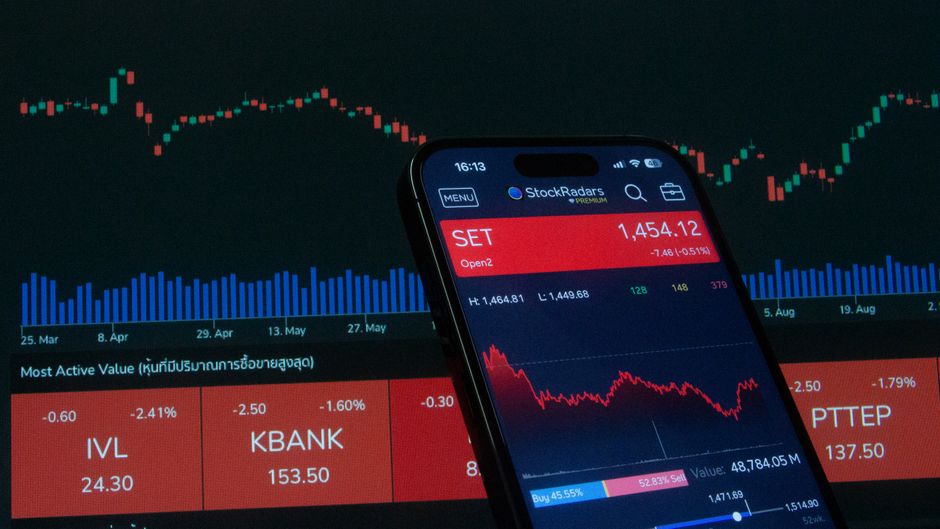
Altcoin Market Overview
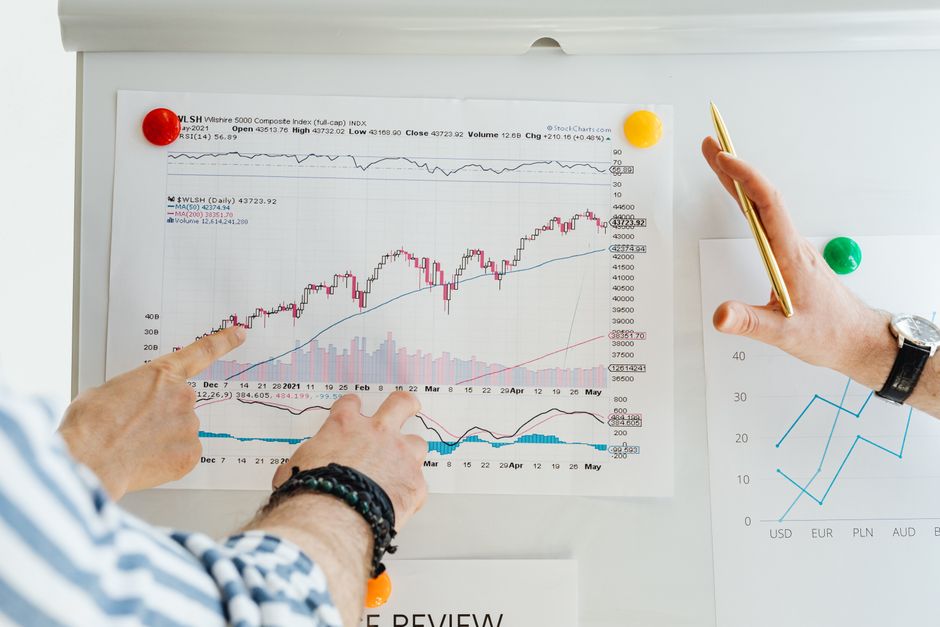
Altcoins are any cryptocurrencies other than Bitcoin. The term encompasses thousands of digital assets, from established projects like Ethereum and Cardano to newer tokens with niche use cases. These alternative coins play a crucial role in the broader cryptocurrency ecosystem, driving innovation in decentralized finance, smart contracts, and blockchain technology.
The concept of **altcoin season** emerged from observed market cycles where altcoins collectively outperform Bitcoin. During the 2017 bull run, many altcoins posted gains exceeding 1,000%, attracting retail investors worldwide. Similar patterns repeated in 2021, when decentralized finance tokens and meme coins captured significant market attention. Understanding these cycles helps investors time entries and exits more effectively.
For US investors, recognizing market cycles is essential to managing risk and capitalizing on opportunities. Altcoins typically experience higher volatility than Bitcoin, creating both substantial profit potential and significant downside risk. The altcoin season index chart provides a data-driven framework for identifying these cyclical patterns and making informed investment decisions.
Altcoin Season Index Chart Explained
The **Altcoin Season Index Chart** is a quantitative tool that measures whether altcoins are outperforming Bitcoin. The index calculates the percentage of the top 50 altcoins (excluding stablecoins) that have performed better than Bitcoin over the previous 90 days. When 75% or more of these altcoins outperform Bitcoin, the market is officially in altcoin season.
This measurement system provides objective data rather than subjective speculation. The chart updates continuously, tracking real-time performance across major cryptocurrency exchanges. It eliminates guesswork by showing clear numerical thresholds: below 25% indicates Bitcoin season, while readings above 75% signal strong altcoin momentum.
Key data points include percentage of outperforming altcoins, historical performance comparisons, and trend indicators. The chart often displays color-coded zones—green for altcoin season, red for Bitcoin dominance, and yellow for neutral periods. US traders use this information alongside traditional technical analysis to develop comprehensive trading strategies and portfolio allocation decisions.
Factors Influencing Altcoin Volatility
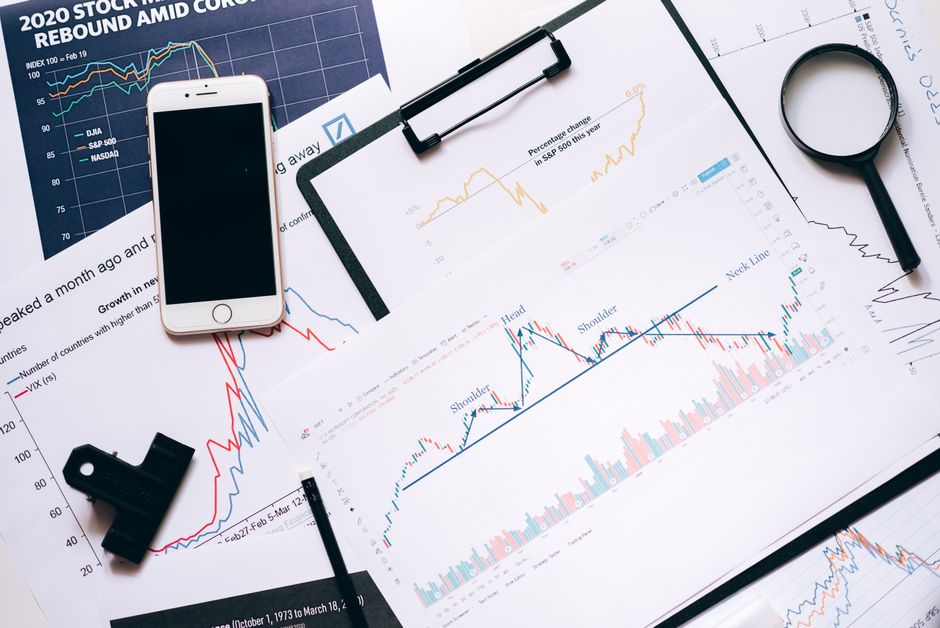
**Low liquidity** remains the primary driver of altcoin price swings. Many altcoins trade with daily volumes under $10 million, meaning relatively small buy or sell orders can move prices dramatically. A single whale transaction can trigger 20-30% price movements within hours. This stands in sharp contrast to Bitcoin’s deeper liquidity pools and more stable price action.
Hype cycles and speculative behavior amplify volatility further. Social media platforms, particularly Twitter and Reddit, create echo chambers where positive sentiment spreads rapidly. When influencers promote specific altcoins, retail investors often rush in without fundamental research. This fear of missing out (FOMO) drives unsustainable price pumps followed by sharp corrections when early investors take profits.
Regulatory developments create sudden volatility spikes across altcoin markets. SEC enforcement actions, congressional hearings, or new legislation proposals can trigger 15-40% price drops overnight. The 2023 lawsuits against major exchanges sent altcoin prices plummeting as investors feared reduced access to trading platforms. US investors must monitor regulatory news closely, as domestic policy changes impact altcoin accessibility and institutional adoption rates.
Navigating Altcoin Volatility
Managing risk in volatile altcoin markets requires disciplined position sizing and stop-loss orders. Never allocate more than 5-10% of your total portfolio to any single altcoin, regardless of conviction. Set predetermined exit points—both profit targets and maximum acceptable losses—before entering trades. This removes emotional decision-making during rapid price movements.
**Diversification** across multiple altcoins and blockchain ecosystems reduces concentration risk. Instead of betting everything on one Layer 1 protocol, spread investments across infrastructure tokens, DeFi platforms, and utility tokens serving different use cases. However, avoid over-diversification; managing more than 10-15 altcoin positions becomes operationally challenging and dilutes potential returns.
Technical analysis tools help identify entry and exit timing. Use moving averages to spot trend reversals, relative strength index (RSI) to gauge overbought or oversold conditions, and volume analysis to confirm price movements. Combine chart patterns with altcoin season index readings for confluence. When the index shows altcoin season beginning and technical indicators align bullishly, conviction for altcoin positions increases substantially.
Case Studies: Successful Altcoin Investments
During the 2020-2021 altcoin season, **Solana** emerged as a standout performer, rising from $1.50 to over $250. Early investors recognized its high-speed blockchain solved Ethereum’s scalability problems while maintaining developer-friendly infrastructure. The project had strong venture capital backing, a growing DeFi ecosystem, and clear technical advantages. Success factors included timing entry during Bitcoin consolidation and holding through short-term volatility.
**Chainlink** provided another success case, appreciating from $2 to $52 between 2020-2021. The oracle network solved a critical problem: connecting smart contracts to real-world data. Institutional partnerships with Google Cloud and SWIFT validated the technology before retail FOMO began. Investors who studied the whitepaper, understood the oracle problem, and recognized limited competition captured substantial gains.
These examples share common patterns: solving real problems, strong development teams, early-stage entry before mainstream attention, and holding conviction through 30-50% drawdowns. Both projects had working products rather than vaporware promises. The lesson for US investors is clear—fundamental research identifying utility and adoption potential outperforms chasing hype-driven pumps in generating sustainable returns.
Common Mistakes Made by Beginner Altcoin Investors
**Buying based on social media hype** destroys more capital than any other mistake. When Twitter influencers promote an altcoin that has already pumped 300% in two weeks, you are likely buying near the top. Early investors and insiders accumulated at much lower prices and use retail FOMO as exit liquidity. By the time mainstream excitement peaks, smart money has already begun selling.
Purchasing at cycle peaks rather than accumulating during bear markets guarantees poor returns. New investors typically enter cryptocurrency markets after Bitcoin makes headlines with new all-time highs. They buy altcoins at inflated valuations, then experience 70-90% drawdowns during the inevitable correction. Successful investors do the opposite—accumulating quality projects during fear and pessimism.
Skipping research and due diligence leads to scam exposure and total loss of capital. Many beginners invest in altcoins without reading whitepapers, verifying team credentials, or understanding tokenomics. They fall victim to rug pulls, Ponzi schemes disguised as DeFi protocols, or tokens with unlimited inflation mechanisms. Always verify smart contract audits, check team LinkedIn profiles, and understand token unlock schedules before investing.
Altcoin Investment Strategies for Beginners
US investors should start by establishing accounts on **regulated cryptocurrency exchanges** like Coinbase, Kraken, or Gemini. Complete identity verification and enable two-factor authentication immediately. Begin by purchasing Bitcoin or Ethereum with US dollars through bank transfer or debit card. Avoid wire transfers unless moving large amounts, as fees consume small position profits.
Once comfortable with major cryptocurrencies, research 3-5 altcoins addressing different market sectors. Study projects in DeFi, Layer 1 blockchains, and infrastructure categories. Read whitepapers, join Discord communities, and watch developer activity on GitHub. Only invest in projects you can explain to someone else in simple terms. If the value proposition seems unclear or overly complex, move on.
**Dollar-cost averaging** removes timing pressure and emotional decision-making. Instead of investing a lump sum, split your altcoin allocation into 8-12 weekly or monthly purchases. This approach averages your cost basis across different price points and reduces the impact of buying at local tops. Combine this with the altcoin season index—increase allocation when the index is low, reduce during extreme altcoin season readings.
| Strategy Element | Description | Risk Level |
|---|---|---|
| Position Sizing | 5-10% per altcoin max | Medium |
| Dollar-Cost Averaging | Weekly/monthly buys | Low |
| Stop-Loss Orders | Predefined exit at -25% | Medium |
| Portfolio Rebalancing | Quarterly adjustments | Low |
| Index Correlation | Buy low index, sell high index | Medium |
**Avoid common pitfalls** by setting realistic expectations and never investing more than you can afford to lose completely. Ignore promises of guaranteed returns or “can’t miss” opportunities. Be especially skeptical of projects requiring you to recruit others or offering unrealistic APY percentages. Store altcoins in hardware wallets for amounts exceeding $5,000. Keep detailed transaction records for US tax reporting purposes.
Stay informed through reputable sources rather than social media hype. Follow CoinDesk, The Block, and Messari for objective cryptocurrency news and analysis. Use CoinMarketCap or CoinGecko to track prices, market caps, and trading volumes. Join Reddit communities like r/CryptoCurrency for diverse perspectives, but verify all claims independently before acting on information.
Investment Risk Disclaimer
Cryptocurrency investments, particularly altcoins, carry **extreme volatility and significant risk of total capital loss**. Altcoin prices can decline 70-95% during bear markets, and many projects ultimately fail entirely. This article provides educational information only and does not constitute financial advice, investment recommendations, or solicitation to buy specific cryptocurrencies.
US investors must conduct independent research and consider their personal financial situation, risk tolerance, and investment objectives before purchasing any cryptocurrency. Consult with licensed financial advisors and tax professionals regarding cryptocurrency investments. Never invest money you cannot afford to lose completely. Past performance does not guarantee future results, and altcoin season patterns may not repeat in future market cycles.
Regulatory frameworks surrounding cryptocurrencies continue evolving, and future government actions may impact altcoin accessibility, taxation, or legal status. Investors assume all responsibility for compliance with federal and state regulations, including accurate reporting of capital gains and losses to the Internal Revenue Service.
Frequently Asked Questions
Q: What is the difference between an altcoin and a cryptocurrency?
A: All altcoins are cryptocurrencies, but not all cryptocurrencies are altcoins. The term **altcoin** specifically refers to any cryptocurrency other than Bitcoin. Bitcoin was the first cryptocurrency, launched in 2009, while altcoins emerged later as alternative implementations of blockchain technology. Ethereum, Cardano, Solana, and thousands of other tokens qualify as altcoins.
Q: How can I identify a promising altcoin to invest in?
A: Start by evaluating the **problem the altcoin solves** and whether it has real-world adoption. Check the development team’s credentials, review the project’s GitHub activity, and verify third-party smart contract audits. Analyze tokenomics including total supply, inflation rate, and token distribution. Look for partnerships with established companies and growing user metrics. Avoid projects making unrealistic promises or lacking transparent documentation.
Q: What are the risks associated with investing in altcoins?
A: Primary risks include **extreme price volatility**, with 50-90% drawdowns common during bear markets. Regulatory uncertainty could result in delisting from US exchanges or legal classifications impacting value. Technical risks include smart contract bugs, blockchain attacks, and project abandonment. Market risks involve low liquidity causing difficulty exiting positions, and concentration risk if one altcoin dominates your portfolio. Scams and fraudulent projects remain prevalent, particularly among newer tokens.
Q: How can I protect myself from scams and fraudulent altcoins?
A: Verify all information independently rather than trusting social media claims. Check team member identities on LinkedIn and research their professional backgrounds. Review smart contract code on blockchain explorers and look for third-party security audits from firms like CertiK or Quantstamp. Avoid projects promising guaranteed returns, requiring recruitment of others, or creating artificial urgency to invest. Never share private keys or seed phrases with anyone, and be skeptical of unsolicited investment opportunities.
Charting & Exchange Resources
| Platform | Use Case | Key Feature | Fee Model | Action |
|---|---|---|---|---|
| TradingView | Charting & technical analysis | Indicators, multi-timeframe charts | Free / Pro tiers | View Platform |
| Coinbase | Exchange (beginner-friendly) | Simple USD on-ramp, educational tools | Varies by region | View Platform |
| Binance | Exchange (advanced pairs) | Wide altcoin coverage, spot markets | Varies by region | View Platform |
Affiliate Disclosure: This post contains affiliate links. We may earn a commission if you buy through our links, at no extra cost to you. Investment Risk Disclaimer: Cryptocurrency and digital asset markets are highly volatile. This content is for informational and educational purposes only and is not financial, investment, or trading advice. You may lose some or all of your capital. Do your own research and consult a licensed financial advisor before making investment decisions.
Leave a Reply