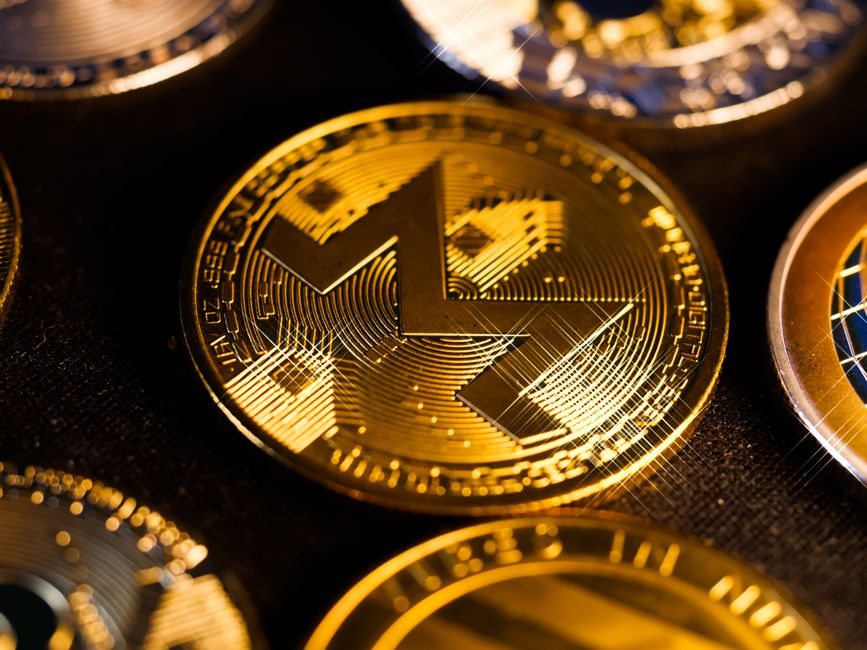
Understanding Altcoins
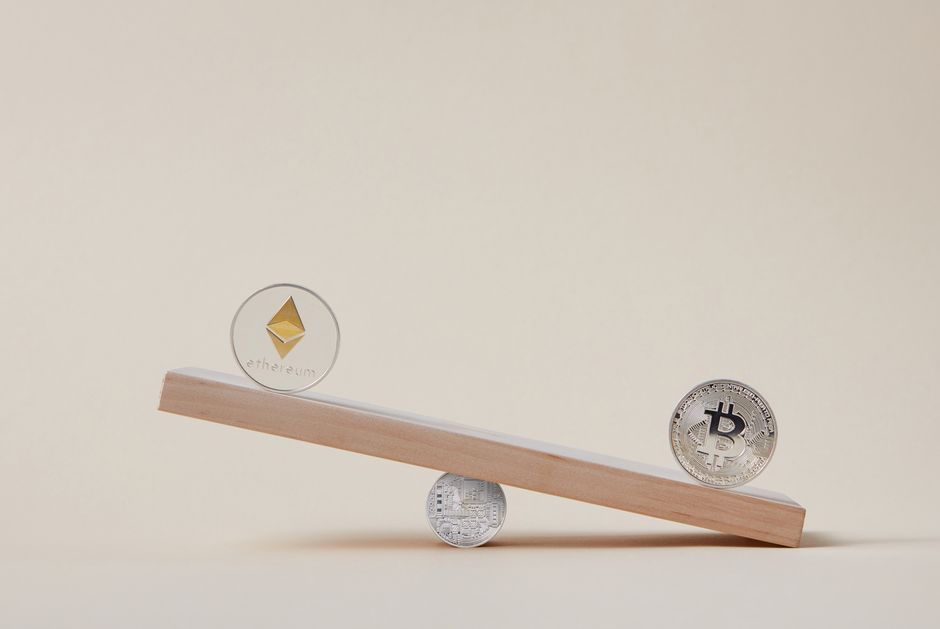
Altcoins, or alternative cryptocurrencies, represent every digital asset outside of Bitcoin. The term emerged shortly after Bitcoin’s 2009 launch, encompassing thousands of coins now traded across global exchanges. While Bitcoin remains the dominant store-of-value cryptocurrency, altcoins serve diverse functions from smart contract platforms to payment networks and decentralized finance applications.
The fundamental difference between Bitcoin and altcoins lies in purpose and technology. Bitcoin operates primarily as digital gold—a hedge against inflation and centralized finance. Ethereum and other altcoins expand beyond this, enabling programmable money through **smart contracts** and decentralized applications. This technological diversity creates both opportunity and complexity for US investors researching where to allocate capital in 2026.
Investing in altcoins carries substantial advantages and risks compared to Bitcoin-only strategies. Potential benefits include **higher growth velocity**, early-stage project access, and portfolio diversification across blockchain use cases. However, altcoins typically exhibit 2-3x greater volatility than Bitcoin, face regulatory uncertainty in the United States, and carry elevated risks of project failure or market manipulation. The SEC’s ongoing classification debates create additional legal ambiguity for American holders.
Analyzing Altcoin Market Trends in 2026
The altcoin market entered 2026 with a combined market capitalization exceeding $800 billion, representing approximately 40% of total crypto market value. This ratio fluctuates significantly during bull and bear cycles—altcoins typically gain market share during risk-on periods and underperform Bitcoin during downturns. Understanding this **altcoin season** cycle helps investors time entry and exit points more effectively.
Several macroeconomic factors influence altcoin prices in 2026. Federal Reserve monetary policy remains the primary driver, with interest rate decisions directly impacting risk asset valuations including cryptocurrencies. Additionally, the approval of spot Bitcoin ETFs in 2024 created institutional infrastructure that now extends to Ethereum ETFs and potentially other large-cap altcoins. Regulatory clarity from the SEC regarding which tokens qualify as securities versus commodities will determine which projects can legally serve US retail investors.
Historical data shows altcoins follow Bitcoin’s four-year halving cycle with a 6-12 month lag. The 2024 Bitcoin halving positioned 2025-2026 as a potential altcoin growth phase, though past performance never guarantees future results. On-chain metrics like active addresses, transaction volume, and developer activity provide more reliable indicators than price speculation. Reddit communities like r/CryptoCurrency and r/altcoin aggregate these data points, though investors must verify claims independently rather than following crowd sentiment.
Top Altcoins to Watch in 2026
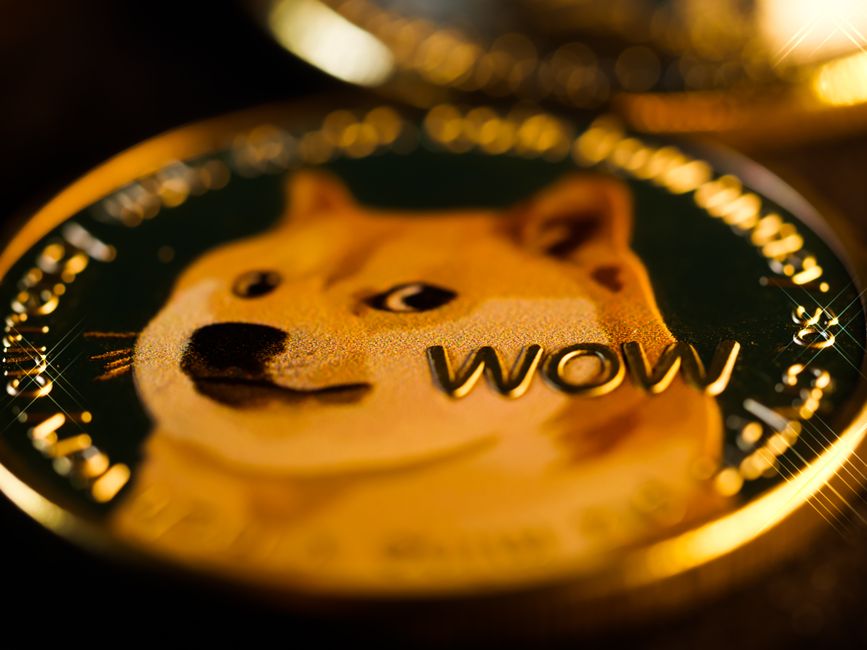
Ethereum (ETH) remains the dominant altcoin by market capitalization and developer activity. As the leading **smart contract platform**, Ethereum hosts the majority of decentralized finance protocols, NFT marketplaces, and enterprise blockchain applications. The network’s transition to proof-of-stake consensus in 2022 reduced energy consumption by 99% and introduced staking yields of 3-5% annually. However, Ethereum faces growing competition from faster, cheaper layer-1 alternatives.
Solana (SOL) emerged as a high-performance blockchain favoring speed over decentralization. The network processes up to 65,000 transactions per second with sub-second finality and fees under $0.01. This efficiency attracted payment applications, gaming platforms, and high-frequency DeFi protocols. Critics point to Solana’s history of network outages and relatively centralized validator set as concerning risk factors. US investors can access SOL through major exchanges like Coinbase and Kraken.
Cardano (ADA) takes a research-driven approach to blockchain development, emphasizing peer-reviewed academic foundations and formal verification methods. The project prioritizes long-term sustainability and regulatory compliance, making it potentially attractive for risk-averse investors. However, Cardano’s deliberate development pace results in slower feature deployment compared to competitors. The ecosystem’s DeFi and dApp activity remains significantly smaller than Ethereum or Solana despite years of development.
Polkadot (DOT) and s (ATOM) represent the **interoperability** category—blockchains designed to connect other blockchains. These protocols enable cross-chain communication and asset transfers without centralized bridges. As blockchain adoption fragments across multiple networks, interoperability solutions may capture significant value. Both projects demonstrate strong technical teams and active developer communities, though mainstream adoption remains early-stage.
| Altcoin | Market Cap Rank | Primary Use Case | Key Risk Factor |
|---|---|---|---|
| Ethereum (ETH) | #2 | Smart contracts, DeFi | High gas fees during congestion |
| Solana (SOL) | #5 | High-speed transactions | Network stability history |
| Cardano (ADA) | #8 | Research-backed blockchain | Slower development pace |
| Polkadot (DOT) | #12 | Cross-chain interoperability | Complex architecture |
| s (ATOM) | #18 | Blockchain communication | Competition from bridges |
Investing in Altcoins: Strategies and Tips
Successful altcoin investing requires a **diversification strategy** that balances risk across market capitalizations and use cases. A common approach allocates 60-70% to large-cap altcoins like Ethereum, 20-30% to mid-cap projects with proven products, and 5-10% to small-cap high-risk opportunities. This structure limits exposure to any single project failure while maintaining upside potential from emerging winners.
Risk management techniques prove essential in the volatile cryptocurrency market. **Dollar-cost averaging** (DCA)—investing fixed amounts at regular intervals regardless of price—removes emotion from timing decisions and averages entry prices over market cycles. Setting stop-loss orders protects against catastrophic drawdowns, though crypto’s 24/7 trading and high volatility can trigger stops prematurely. Many experienced investors avoid leverage entirely, as 5-10x positions can be liquidated by normal daily price swings.
Identifying genuine market opportunities requires distinguishing signal from noise on Reddit and crypto Twitter. Focus on projects with **working products** rather than promises, transparent teams with verifiable track records, and growing user adoption metrics. Be skeptical of coins heavily promoted through paid marketing or celebrity endorsements—legitimate projects build through technical merit and organic community growth. Check GitHub repositories for development activity and read audit reports for smart contract security assessments.
Altcoin Investment Risks and Mitigation
The most significant risk facing altcoin investors is **regulatory uncertainty** in the United States. The SEC has classified many tokens as unregistered securities, resulting in exchange delistings and legal actions against projects. Coins with pre-mines, ICO funding, or centralized control face higher scrutiny. Stick to assets with clear regulatory pathways or those explicitly classified as commodities. Monitor SEC announcements and enforcement actions that may impact your holdings.
Technical vulnerabilities represent another major risk category. Smart contract bugs can drain protocol funds instantly, as demonstrated by numerous DeFi hacks totaling billions in losses. **Rug pulls**—where developers abandon projects after raising funds—remain common in low-cap altcoins promoted on social media. Only invest in audited protocols from reputable firms like Trail of Bits or Certik, and never connect wallets to unverified contracts.
Market manipulation affects altcoins more severely than Bitcoin due to lower liquidity. Whale wallets can move prices dramatically, and coordinated pump-and-dump schemes target small-cap coins on decentralized exchanges. Protect yourself by avoiding coins with concentrated holder distribution, suspicious trading volume spikes, or aggressive marketing in Telegram groups. Use established exchanges with surveillance systems rather than obscure platforms.
Mitigation requires **due diligence** beyond Reddit upvotes and YouTube thumbnails. Read project whitepapers to understand technical architecture and tokenomics. Verify team credentials on LinkedIn rather than trusting anonymous developers. Assess competitive positioning—does this blockchain solve problems better than existing solutions? Calculate fully diluted valuations to understand future supply inflation. Most importantly, never invest more than you can afford to lose completely.
Case Studies: Successful Altcoin Investments
One successful investment pattern involves identifying Ethereum competitors before mainstream recognition. Investors who purchased Solana under $10 in early 2021 saw returns exceeding 20x as the network attracted NFT projects and DeFi protocols away from expensive Ethereum gas fees. The key insight was recognizing technical advantages (transaction speed, cost) translating to actual user migration rather than just marketing promises. However, SOL also crashed 95% from its peak, illustrating that even winning bets experience severe drawdowns.
Another profitable approach focuses on **layer-2 scaling solutions** for Ethereum. Polygon (MATIC) delivered substantial returns as developers sought cheaper alternatives to Ethereum mainnet while maintaining ecosystem compatibility. Early investors identified the network effects—Polygon inherited Ethereum’s developer tools, wallets, and security while solving the scaling problem. This bet required understanding technical tradeoffs between rollups, sidechains, and independent layer-1s.
Lessons from successful investments emphasize patience and conviction during volatility. Projects that ultimately succeeded often experienced 50-70% corrections during bull markets, shaking out weak hands. Winners held through drawdowns because their thesis focused on **fundamental adoption metrics** rather than price targets. They sized positions appropriately to avoid forced selling during downturns. Finally, they took profits systematically rather than expecting permanent upward trajectories.
Investment Risk Disclaimer
**Cryptocurrency markets carry extreme volatility and substantial loss risk.** Altcoins exhibit greater price swings than Bitcoin, with 30-50% monthly moves common even for large-cap projects. Total loss of invested capital is possible through project failure, exchange hacks, regulatory bans, or market crashes. Past performance provides no guarantee of future results.
This article presents educational information only and does not constitute financial, investment, tax, or legal advice. The author holds no securities licenses and cannot provide personalized recommendations. Always conduct independent research, understand blockchain technology fundamentals, and consult qualified financial advisors before investing. Never invest money needed for essential expenses or retirement.
US investors face specific regulatory considerations. Cryptocurrency transactions may trigger taxable events under IRS guidance. Holding certain tokens could violate securities laws depending on SEC classifications. Some exchanges restrict US customers from accessing specific altcoins. Verify compliance with federal and state regulations in your jurisdiction.
Frequently Asked Questions
Q: What are the key factors to consider when choosing an altcoin for investment?
A: Prioritize **market capitalization** above $500 million to ensure sufficient liquidity and reduced manipulation risk. Examine daily trading volume—healthy coins trade at least 5-10% of market cap daily across multiple exchanges. Review the founding team’s credentials and track record through LinkedIn and GitHub. Assess the technology’s competitive advantages and whether the project solves real problems with measurable adoption. Check token distribution to avoid coins where top holders control over 50% of supply.
Q: How can I mitigate the risks associated with investing in altcoins?
A: Build a **diversified portfolio** across 5-10 projects spanning different use cases (smart contracts, payments, infrastructure) to reduce single-project risk. Implement dollar-cost averaging by investing fixed amounts monthly rather than lump sums. Use only regulated US exchanges like Coinbase, Kraken, or Gemini that carry FDIC insurance for USD balances. Never store large holdings on exchanges—use hardware wallets like Ledger or Trezor for self-custody. Set maximum portfolio allocation limits such as no more than 5-10% net worth in crypto assets.
Q: What are the most common mistakes made by altcoin investors?
A: The most frequent error is **chasing pumps**—buying coins after 50-100% rallies based on social media hype rather than fundamental analysis. Many investors fail to take profits during bull markets, riding gains back to zero. Over-diversification into dozens of micro-cap coins dilutes returns while increasing management complexity. Following influencer recommendations without independent research leads to holding low-quality projects. Finally, using leverage or trading with borrowed money amplifies losses and can result in liquidation during normal volatility. Focus on building conviction through research rather than following crowds.
Charting & Exchange Resources
| Platform | Use Case | Key Feature | Fee Model | Action |
|---|---|---|---|---|
| TradingView | Charting & technical analysis | Indicators, multi-timeframe charts | Free / Pro tiers | View Platform |
| Coinbase | Exchange (beginner-friendly) | Simple USD on-ramp, educational tools | Varies by region | View Platform |
| Binance | Exchange (advanced pairs) | Wide altcoin coverage, spot markets | Varies by region | View Platform |
Affiliate Disclosure: This post contains affiliate links. We may earn a commission if you buy through our links, at no extra cost to you. Investment Risk Disclaimer: Cryptocurrency and digital asset markets are highly volatile. This content is for informational and educational purposes only and is not financial, investment, or trading advice. You may lose some or all of your capital. Do your own research and consult a licensed financial advisor before making investment decisions.
Leave a Reply