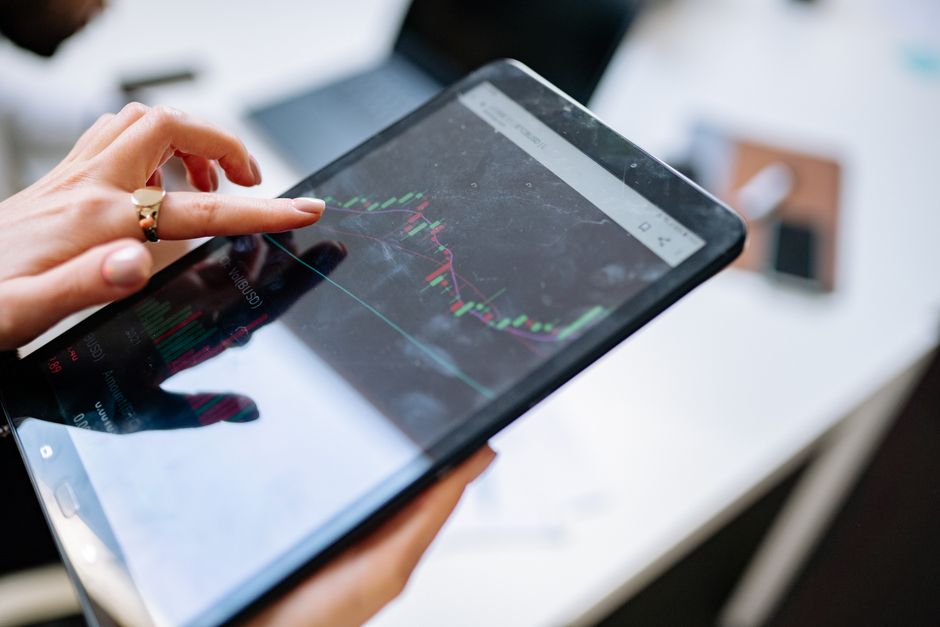
Understanding Altcoin Season

Altcoin season refers to periods in the cryptocurrency market when altcoins (cryptocurrencies other than Bitcoin) experience significant price increases and outperform Bitcoin and Ethereum. These seasons are characterized by increased market activity, investor interest, and trading volumes in altcoins. Altcoin seasons are different from Bitcoin or Ethereum bull markets, which are driven by the performance of these two major cryptocurrencies.
Identifying altcoin season requires analyzing market data and tracking the Altcoin Season Index chart. This chart measures the relative performance of altcoins compared to Bitcoin and provides insights into market trends and the potential for altcoin investments.
Analyzing the Altcoin Season Index Chart
The Altcoin Season Index chart is a tool used to gauge the market sentiment and performance of altcoins relative to Bitcoin. The chart consists of various components, including price data, trading volumes, and market capitalization. By analyzing these components, investors can make informed decisions about when to invest in altcoins and which ones to choose.
Interpreting the Altcoin Season Index chart involves understanding how different altcoins perform during various market conditions. Comparing the performance of different altcoins can help investors identify those with strong growth potential and make better investment decisions during altcoin season.
Key Factors Influencing Altcoin Season
Several key factors influence the occurrence and duration of altcoin seasons, including market sentiment, the performance of Bitcoin and Ethereum, and the emergence of new blockchain technologies. Market sentiment plays a crucial role in driving altcoin prices, as investor confidence and excitement can lead to increased trading activity and price appreciation.
The performance of Bitcoin and Ethereum also impacts altcoin trends. When Bitcoin and Ethereum experience significant price increases, they often dominate market attention, leading to reduced interest in altcoins. However, when the prices of these major cryptocurrencies stabilize or decline, investors may shift their focus to altcoins, driving up their prices and triggering an altcoin season.
Innovations in blockchain technology can also influence altcoin seasons. The introduction of new and improved blockchain platforms, such as Ethereum 2.0 or Polkadot, can create excitement and drive investment in altcoins associated with these technologies.
Diversifying Investment Portfolio During Altcoin Season
Diversification is a crucial strategy for managing risk and maximizing returns during altcoin season. By allocating funds across different altcoins, investors can reduce the impact of individual coin volatility on their overall portfolio performance. Diversification also allows investors to capture the potential upside of multiple altcoins, increasing the likelihood of profitable investments.
When diversifying, investors should consider factors such as market capitalization, trading volume, and the underlying technology and use case of each altcoin. Balancing risk and reward is essential, as some altcoins may offer higher potential returns but also carry greater risk.
Mitigating Investment Risks During Altcoin Season
Investing in altcoins during altcoin season involves significant risks, including market volatility, regulatory uncertainty, and the potential for scams or fraudulent projects. To mitigate these risks, investors should conduct thorough research and due diligence on each altcoin before investing.
Best practices for risk management include investing only what you can afford to lose, setting clear investment goals and risk tolerance levels, and regularly monitoring and adjusting your portfolio as market conditions change. Staying informed about market developments and news is also crucial for making informed investment decisions and managing risk effectively.
Practical Tips for Navigating Altcoin Season
To successfully navigate altcoin season, investors should focus on identifying promising altcoins with strong growth potential. This involves researching the underlying technology, use case, and market demand for each altcoin, as well as analyzing price charts and trading volumes.
Timing investments is also critical, as entering the market at the right time can significantly impact returns. Investors should monitor market sentiment and the performance of Bitcoin and Ethereum to identify potential entry points for altcoin investments. Avoiding common pitfalls, such as investing based on hype or fear of missing out (FOMO), is also essential for long-term success in the altcoin market.
Case Studies: Successful Altcoin Investments
Examples of successful altcoin investments during past altcoin seasons can provide valuable insights and best practices for future investments. For instance, investors who identified and invested in promising altcoins like Ethereum, Binance Coin, or Chainlink during previous altcoin seasons experienced significant returns.
Analyzing the factors contributing to the success of these investments, such as strong technology, growing adoption, and effective marketing, can help investors identify similar opportunities in the future. Applying these lessons and best practices can improve the likelihood of success in altcoin investments during future altcoin seasons.
Frequently Asked Questions (FAQ)
What is the Altcoin Season Index chart and how is it used?
The Altcoin Season Index chart is a tool used to measure the relative performance of altcoins compared to Bitcoin. It provides insights into market trends and helps investors identify potential altcoin investment opportunities during altcoin season.
How can I identify a potential altcoin season before it happens?
Identifying a potential altcoin season involves monitoring market sentiment, the performance of Bitcoin and Ethereum, and the emergence of new blockchain technologies. By analyzing these factors and tracking the Altcoin Season Index chart, investors can anticipate and prepare for potential altcoin seasons.
What are the key risks associated with investing in altcoins during altcoin season?
Investing in altcoins during altcoin season involves risks such as market volatility, regulatory uncertainty, and the potential for scams or fraudulent projects. To mitigate these risks, investors should conduct thorough research, diversify their portfolios, and practice effective risk management strategies.
Charting & Exchange Resources
| Platform | Use Case | Key Feature | Fee Model | Action |
|---|---|---|---|---|
| TradingView | Charting & technical analysis | Indicators, multi-timeframe charts | Free / Pro tiers | View Platform |
| Coinbase | Exchange (beginner-friendly) | Simple USD on-ramp, educational tools | Varies by region | View Platform |
| Binance | Exchange (advanced pairs) | Wide altcoin coverage, spot markets | Varies by region | View Platform |
Affiliate Disclosure: This post contains affiliate links. We may earn a commission if you buy through our links, at no extra cost to you. Investment Risk Disclaimer: Cryptocurrency and digital asset markets are highly volatile. This content is for informational and educational purposes only and is not financial, investment, or trading advice. You may lose some or all of your capital. Do your own research and consult a licensed financial advisor before making investment decisions.
Leave a Reply