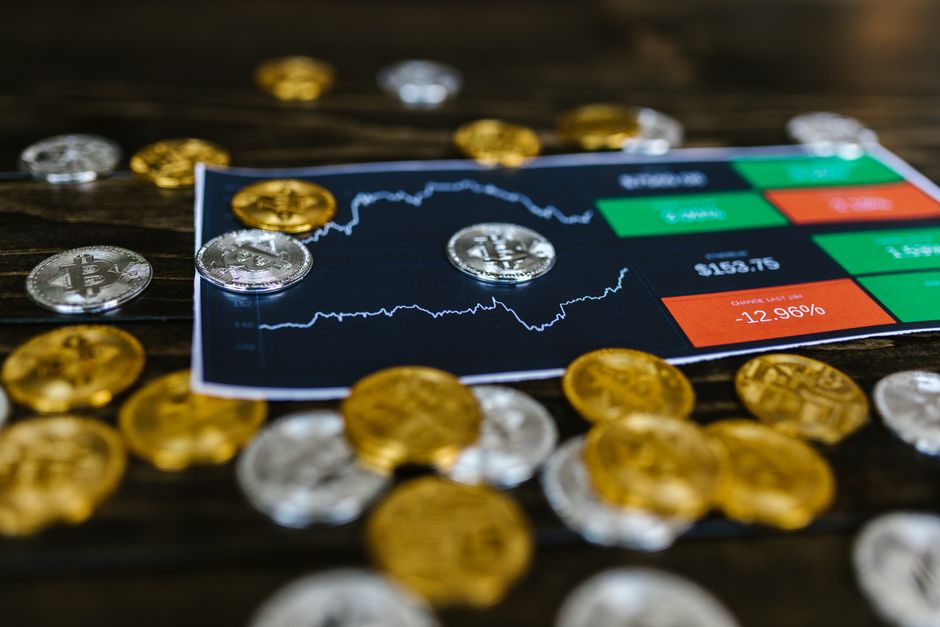
Understanding Altcoins
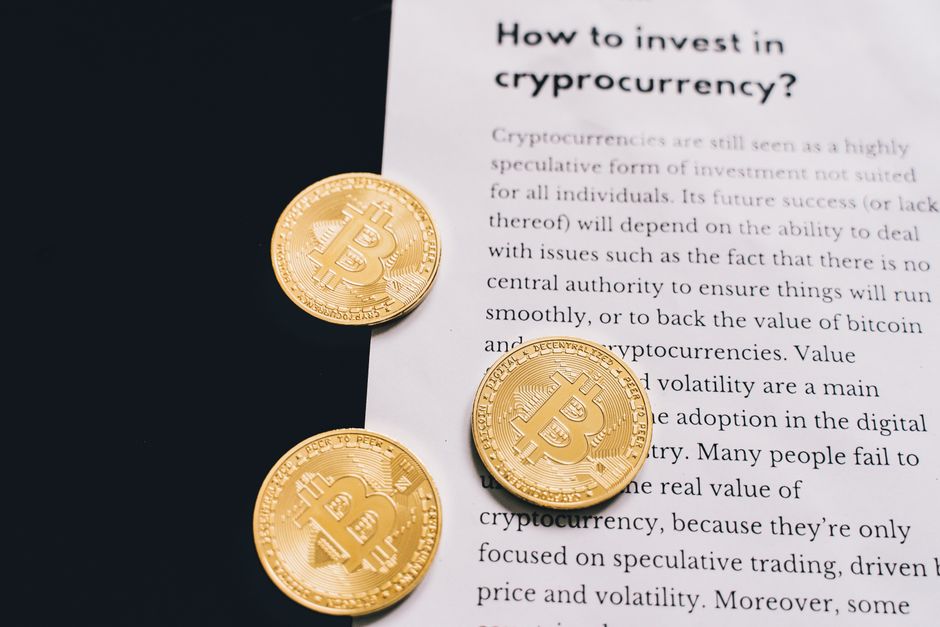
Before diving into the specifics of researching altcoins, it’s essential to have a solid understanding of what they are and why they matter. Altcoins, short for alternative coins, are cryptocurrencies other than Bitcoin. While Bitcoin was the first and remains the most well-known cryptocurrency, the market has since expanded to include a wide range of altcoins, each with its own features, use cases, and potential benefits.
Some of the top altcoins by market capitalization include Ethereum (ETH), Binance Coin (BNB), and Solana (SOL). These altcoins have gained popularity due to their unique technologies, adoption rates, and real-world applications. For example, Ethereum is known for its smart contract capabilities, enabling developers to build decentralized applications (dApps) on its blockchain.
Key Factors to Consider When Researching Altcoins
When evaluating altcoins for potential investment, there are several key factors to consider:
Technology and Use Case
One of the most important aspects to research is the underlying technology and use case of the altcoin. What problem does it aim to solve, and how does its technology differ from other cryptocurrencies? Some altcoins focus on privacy, while others prioritize scalability or interoperability. Understanding the unique value proposition of an altcoin can help you assess its potential for adoption and growth.
Team and Community
Another crucial factor to consider is the team behind the altcoin and the strength of its community. A transparent and experienced team with a proven track record can instill confidence in the project’s long-term viability. Additionally, a strong and engaged community can indicate a higher likelihood of adoption and support for the altcoin.
Market Trends
Keeping a pulse on market trends is also essential when researching altcoins. What is the current sentiment towards the altcoin, and how has its price and trading volume been performing? Analyzing market trends can help you identify potential entry and exit points for your investments. However, it’s crucial to remember that past performance does not guarantee future results.
Analyzing Altcoin Fundamentals

To gain a deeper understanding of an altcoin’s potential, it’s necessary to analyze its fundamentals:
Blockchain Technology
Research the specifics of the altcoin’s blockchain technology. How does it differ from other blockchains, and what advantages does it offer? Some altcoins use Proof-of-Stake (PoS) consensus mechanisms, while others employ unique algorithms like Delegated Proof-of-Stake (DPoS) or Proof-of-Authority (PoA).
Whitepaper and Roadmap
Review the altcoin’s whitepaper and roadmap to understand its vision, goals, and milestones. A well-articulated whitepaper and a clear roadmap can indicate a thoughtfully planned and executed project. Pay attention to the team’s track record in delivering on their promises and meeting deadlines.
Use Case and Adoption
Evaluate the altcoin’s real-world use case and potential for widespread adoption. Does it solve a genuine problem or offer a unique value proposition? Assess the current state of adoption and the potential for future growth. Consider partnerships, integrations, and the overall ecosystem surrounding the altcoin.
Assessing Altcoin Market Performance
Analyzing an altcoin’s market performance can provide valuable insights into its potential:
Historical Price Data
Examine the altcoin’s historical price data to identify trends, patterns, and potential indicators of future performance. While past performance does not guarantee future results, analyzing historical data can help you make more informed investment decisions.
Trading Volume and Liquidity
Assess the altcoin’s trading volume and liquidity to ensure there is sufficient activity to support your investments. Low trading volume and liquidity can lead to increased volatility and potential difficulty in executing trades.
Market Sentiment
Gauge the overall market sentiment towards the altcoin by monitoring news, social media, and community discussions. Positive sentiment and increasing awareness can potentially drive adoption and price appreciation. However, be cautious of hype and speculation, as they can lead to market bubbles and subsequent crashes.
Practical Considerations for Investing in Altcoins
When investing in altcoins, it’s essential to consider practical factors:
Diversification
Don’t put all your eggs in one basket. Consider diversifying your cryptocurrency portfolio across different categories of altcoins to manage risk. This can include a mix of large-cap, mid-cap, and small-cap altcoins, as well as those with different use cases and technologies.
Risk Management
Understand the risks associated with altcoin investing and develop strategies to mitigate them. This can include setting stop-loss orders, regularly reviewing and adjusting your portfolio, and staying informed about market developments.
Tax Implications
Be aware of the tax implications and reporting requirements for altcoin investments in your jurisdiction. Cryptocurrency transactions may be subject to capital gains taxes, and failure to properly report and pay taxes can lead to legal consequences.
Staying Informed on Altcoin Developments
To make informed investment decisions, it’s crucial to stay up-to-date with the latest developments in the altcoin market:
News and Publications
Follow reputable cryptocurrency news sources and publications to stay informed about market trends, adoption news, and regulatory developments. Some popular sources include CoinDesk, Cointelegraph, and CryptoSlate.
Social Media and Forums
Engage with the altcoin community on social media platforms like Twitter and Reddit, as well as forums like BitcoinTalk. These platforms can provide valuable insights, discussions, and updates directly from the community and project teams.
Data Aggregators
Utilize cryptocurrency data aggregators and analysis platforms to track market trends, pricing, and on-chain metrics. Some popular platforms include CoinMarketCap, CoinGecko, and Glassnode. These tools can help you make data-driven investment decisions based on real-time market data.
Making the Investment Decision
When it comes to investing in altcoins, timing and execution are key:
Timing
Try to identify optimal entry and exit points based on market trends and sentiment. This can involve analyzing technical indicators, chart patterns, and market cycles to make informed decisions. However, timing the market is a challenging task, and it’s essential to have a clear investment strategy in place.
Exchanges
Choose reputable cryptocurrency exchanges with strong security measures, low fees, and a wide selection of altcoins. Some popular exchanges include Binance, Coinbase, and Kraken. Be sure to research the exchange’s reputation, security track record, and user reviews before depositing funds.
Trade Management
Develop a clear strategy for managing your trades and adjusting your portfolio as needed. This can include setting profit targets, stop-loss orders, and regularly reviewing and rebalancing your holdings. It’s also important to stay adaptable and adjust your strategy based on changing market conditions.
Frequently Asked Questions (FAQ)
What are the risks associated with investing in altcoins?
Investing in altcoins carries significant risks, including market volatility, regulatory uncertainty, and the potential for scams and fraud. Altcoin prices can experience extreme fluctuations in short periods, and the market is highly speculative. It’s essential to thoroughly research and understand the risks before investing.
How can I find reliable information about altcoins before investing?
To find reliable information about altcoins, consider the following sources:
- Reputable news sources: Follow well-established cryptocurrency publications and news outlets to stay informed about market developments and altcoin-specific news.
- Official project channels: Refer to the altcoin’s official website, whitepaper, and social media channels for accurate and up-to-date information directly from the project team.
- Data aggregators: Utilize trusted cryptocurrency data aggregators and analysis platforms to access real-time market data, pricing, and on-chain metrics.
What is the best way to manage a diversified cryptocurrency portfolio?
To effectively manage a diversified cryptocurrency portfolio, consider the following strategies:
- Allocation: Allocate funds across different categories of altcoins based on your risk tolerance and investment goals. This can include a mix of large-cap, mid-cap, and small-cap altcoins, as well as those with different use cases and technologies.
- Regular reviews: Periodically review and adjust your portfolio based on market conditions and individual altcoin performance. This can help you identify potential opportunities for rebalancing or adjusting your investment strategy.
- Continuous learning: Stay informed about the latest developments in the altcoin market and adjust your investments accordingly. This can involve researching new projects, monitoring regulatory changes, and adapting to shifting market trends.
Charting & Exchange Resources
| Platform | Use Case | Key Feature | Fee Model | Action |
|---|---|---|---|---|
| TradingView | Charting & technical analysis | Indicators, multi-timeframe charts | Free / Pro tiers | View Platform |
| Coinbase | Exchange (beginner-friendly) | Simple USD on-ramp, educational tools | Varies by region | View Platform |
| Binance | Exchange (advanced pairs) | Wide altcoin coverage, spot markets | Varies by region | View Platform |
Affiliate Disclosure: This post contains affiliate links. We may earn a commission if you buy through our links, at no extra cost to you. Investment Risk Disclaimer: Cryptocurrency and digital asset markets are highly volatile. This content is for informational and educational purposes only and is not financial, investment, or trading advice. You may lose some or all of your capital. Do your own research and consult a licensed financial advisor before making investment decisions.
Leave a Reply