{## Crypto Market Overview
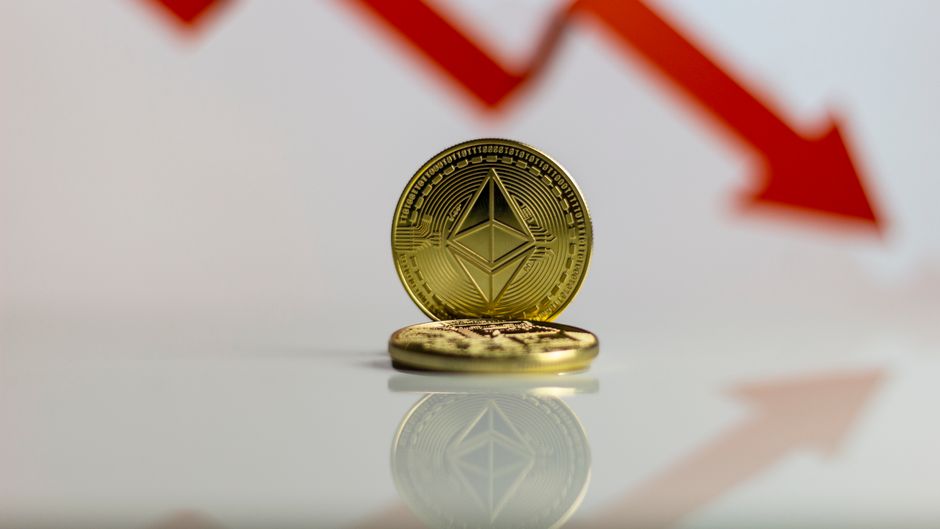
The US cryptocurrency market continues to draw in millions of retail investors, with total market capitalization regularly fluctuating between $2 trillion and $3 trillion depending on macroeconomic conditions and sentiment cycles. **Bitcoin (BTC)** and **Ethereum (ETH)** dominate by market cap, but a significant share of daily trading volume flows through a category of assets that operate on entirely different fundamentals — **meme coins**.
Understanding **meme coin risks and volatility** is essential for any US investor navigating today’s crypto landscape. In recent quarters, meme coins have spiked in trading volume during viral social media events, sometimes briefly entering the top 10 or top 20 by market cap before retreating sharply. US-based exchanges like Coinbase and Kraken report that meme coin trading surges often coincide with celebrity endorsements or trending hashtags.
- **Total crypto market cap**: regularly shifts billions of dollars in a single trading session
- **Altcoins** (alternative coins to Bitcoin) make up roughly 40–60% of total market cap at any given time
- Meme coins represent a small but disproportionately volatile slice of that altcoin universe
—
What Makes Crypto Volatile — And Why Meme Coins Are Worse
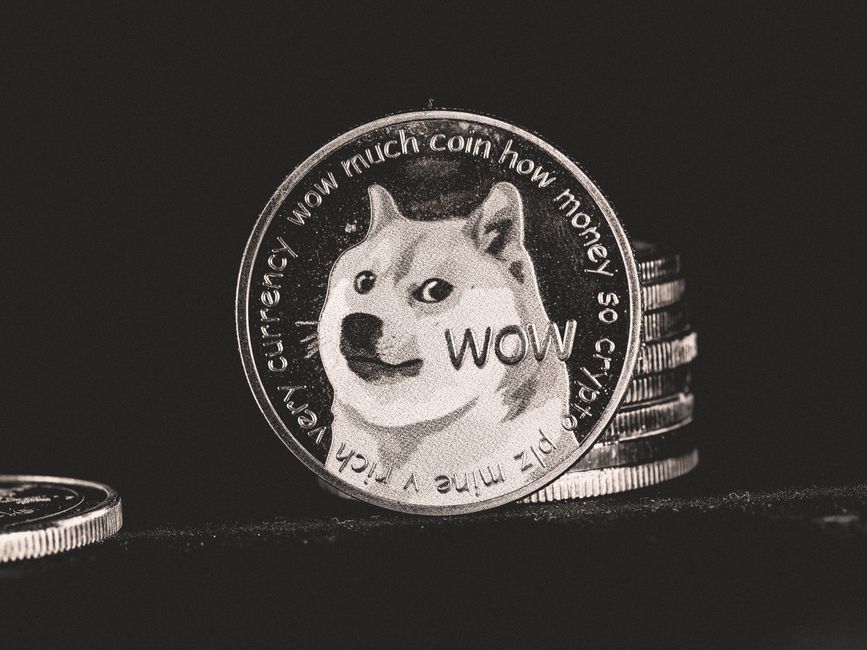
**Volatility** in financial markets refers to the degree of price variation over a given time period. In crypto, it’s typically measured using **annualized standard deviation** or the **Average True Range (ATR)** indicator on trading charts. Bitcoin has historically shown annualized volatility of 60–80%, compared to roughly 15–20% for the S&P 500 index — and meme coins regularly exceed even that elevated benchmark.
Key drivers of crypto price swings include regulatory news, macroeconomic data releases (like US Federal Reserve rate decisions), exchange outflows, and large wallet movements by **whales** (addresses holding significant amounts of a given token). Unlike stocks, crypto markets trade 24/7, meaning volatility can materialize at any hour without warning.
What makes crypto uniquely volatile compared to traditional assets:
- **No earnings reports or dividends** to anchor valuation
- **Thin liquidity** on many tokens means small buy or sell orders move prices dramatically
- **Sentiment-driven pricing**: narrative and social media momentum often override fundamentals
- **Regulatory uncertainty** in the US adds an additional unpredictable risk layer
For investors accustomed to equities or bonds, these dynamics represent a fundamentally different risk environment that requires adjusted expectations and portfolio strategies.
—
Meme Coins Defined: Origins and Market Structure
**Meme coins** are cryptocurrencies that originated from internet memes, jokes, or viral cultural moments rather than a specific technological use case or whitepaper-defined utility. **Dogecoin (DOGE)**, launched in 2013 as a parody of Bitcoin, is the original meme coin. **Shiba Inu (SHIB)** followed in 2020, branding itself as a “Dogecoin killer” and building a community-driven ecosystem around its token.
Since then, hundreds of meme coins have launched — many with no stated purpose beyond speculative trading. Their market capitalization can swing by 30–70% within a single week, driven almost entirely by social media sentiment rather than on-chain utility or developer activity.
Key structural characteristics of meme coins:
| Feature | Meme Coins | Major Cryptos (BTC/ETH) |
|---|---|---|
| Primary value driver | Social sentiment | Technology + adoption |
| Liquidity depth | Shallow to moderate | Deep and stable |
| Developer activity | Often minimal | Active, audited |
| Regulatory scrutiny | Increasing | Established frameworks |
| Historical drawdowns | 80–99%+ from peak | 50–85% from peak |
—
The Role of Social Media and Celebrity Influence

No other asset class is as directly shaped by social media as meme coins. A single post from a high-follower account — whether a celebrity, influencer, or prominent investor — can send a meme coin’s price up 50–200% within hours. The reverse is equally true: negative coverage or a deleted tweet can trigger a rapid selloff.
High-profile examples from US markets illustrate the pattern clearly. Dogecoin surged multiple times following social media activity from prominent tech entrepreneurs. These events created short-term millionaires and, for many latecomers, significant losses. The asymmetry between early holders and retail buyers who enter during a spike is a recurring structural risk in this market.
This dynamic connects directly to broader trending crypto narratives that cycle through the market — understanding which narrative is driving a given coin is as important as understanding its technical specs.
—
Pump-and-Dump Schemes and Manipulation Risks
The US Securities and Exchange Commission (**SEC**) and Commodity Futures Trading Commission (**CFTC**) have both issued warnings about manipulation in low-liquidity crypto markets. Meme coins are particularly susceptible to **pump-and-dump schemes** — coordinated efforts by early token holders or organized groups to artificially inflate a coin’s price before selling into retail demand.
Common warning signs of a pump-and-dump setup:
- Sudden 100%+ price increase with no news catalyst
- Anonymous or pseudonymous founding team
- No audited smart contract or verifiable code repository
- Concentrated token supply (a small number of wallets holding 30–60%+ of supply)
- Coordinated Telegram or Discord groups promoting aggressive buy pressure
US retail investors should treat any of these signals as a significant red flag. Regulatory enforcement in this space is still developing, and victims of meme coin manipulation have limited legal recourse compared to traditional securities fraud cases.
—
On-Chain Metrics That Reveal Meme Coin Risk
Experienced traders use **on-chain analysis** — examining data recorded directly on a blockchain — to assess meme coin risk before entering a position. This data is publicly available through tools like Etherscan, Solscan, and blockchain analytics platforms.
Critical on-chain metrics to review:
- **Token holder concentration**: If the top 10 wallets hold more than 30% of supply, sell pressure from any single holder can crater the price
- **Liquidity pool depth**: A shallow liquidity pool means large trades cause extreme **slippage** (the difference between expected and actual trade execution price)
- **Contract audit status**: Unaudited smart contracts can contain hidden functions that allow developers to mint unlimited tokens or freeze withdrawals
- **Transaction velocity**: Sudden spikes in transaction count can precede coordinated sell events
These metrics don’t guarantee safety, but they provide a more grounded risk picture than social sentiment alone.
—
Regulatory Landscape for Meme Coins in the US
The regulatory status of meme coins in the US remains unsettled. The SEC has pursued enforcement actions against several crypto projects, arguing that many tokens qualify as **securities** under the **Howey Test** — a legal framework used to determine whether an asset constitutes an investment contract. Meme coins with no stated utility and no development roadmap occupy a gray area in this framework.
The CFTC, meanwhile, has asserted jurisdiction over certain crypto assets as commodities. This regulatory overlap creates uncertainty for US-based exchanges, some of which have delisted meme coins preemptively to avoid compliance risk.
Key regulatory developments US investors should monitor:
- SEC guidance on whether specific meme coins qualify as securities
- State-level money transmission laws that affect how meme coins can be traded
- Proposed congressional legislation on digital asset classification
- IRS treatment of meme coin gains as ordinary income versus capital gains
Staying current with trending crypto regulatory updates is one of the most practical steps a US investor can take to manage compliance risk.
—
Tax Implications of Meme Coin Trading in the US
The **Internal Revenue Service (IRS)** treats cryptocurrency, including meme coins, as property for federal tax purposes. Every taxable event — including selling, swapping one token for another, or using crypto to purchase goods — triggers a capital gains or loss calculation.
For meme coin traders, who may execute dozens or hundreds of trades during a single volatile cycle, this creates a significant record-keeping burden. Key tax rules that apply:
- **Short-term capital gains** (assets held less than one year) are taxed at ordinary income rates, which can reach 37% for high earners
- **Long-term capital gains** (assets held more than one year) receive preferential rates of 0%, 15%, or 20% depending on income
- Losses from meme coin trades can offset gains from other crypto or equity positions through **tax-loss harvesting**
- The IRS requires disclosure of crypto activity on Form 1040, and the agency has increased enforcement through third-party reporting from exchanges
US investors using crypto tax software (such as CoinLedger, Koinly, or TaxBit) can automate much of this tracking, but professional tax guidance is advisable for high-volume meme coin trading.
—
Practical Risk Management for US Meme Coin Exposure
For US investors who choose to allocate a portion of their portfolio to meme coins, structured risk management is not optional — it’s essential. The historical drawdown data is unambiguous: the majority of meme coins that reach peak valuations during hype cycles subsequently lose 80–99% of that value.
A risk-conscious framework for meme coin exposure:
- **Position sizing**: Many professional traders cap speculative positions at 1–5% of total portfolio value
- **Entry discipline**: Avoid entering a position after a coin has already risen 50–100% in a short window
- **Exit planning**: Set predefined profit-take and stop-loss levels before entering, not during a volatile move
- **Diversification**: Meme coin exposure should sit alongside more liquid, established assets — not replace them
- **Custody**: Use self-custody wallets (hardware wallets like Ledger or Trezor) for any meaningful holdings rather than leaving assets on centralized exchanges
No risk management framework eliminates the possibility of total loss in this asset class. These guidelines reduce exposure to the worst outcomes but do not guarantee any specific result.
—
Comparing Meme Coin Volatility to Other Crypto Assets
Understanding how meme coins compare to other crypto assets in terms of volatility and risk helps contextualize the specific exposure they represent.
| Asset | Typical Annualized Volatility | Drawdown from Cycle Peak | Primary Value Driver |
|---|---|---|---|
| S&P 500 | 15–20% | 30–50% | Corporate earnings |
| Bitcoin (BTC) | 60–80% | 50–85% | Institutional + retail demand |
| Ethereum (ETH) | 70–90% | 60–90% | Smart contract utility |
| Top meme coins (DOGE, SHIB) | 100–150%+ | 80–95%+ | Social sentiment |
| New/micro-cap meme coins | 200%+ | 90–99%+ | Speculation only |
This comparison makes clear that meme coins are not simply “volatile crypto” — they occupy a distinct risk tier even within the already high-risk crypto asset class.
—
Risk Disclaimer
**The content in this article is for informational and educational purposes only. It does not constitute financial, investment, tax, or legal advice. Cryptocurrency markets, including meme coins, are highly speculative and involve substantial risk of loss, including the possible loss of all invested capital. Past performance is not indicative of future results. US investors should consult a licensed financial advisor, tax professional, or attorney before making any investment decisions. Nothing in this article should be construed as a recommendation to buy, sell, or hold any specific digital asset.**
—
Frequently Asked Questions
**Q: What is a meme coin, and how is it different from Bitcoin?**
A: A meme coin is a cryptocurrency that originated from an internet meme, joke, or cultural trend rather than a defined technological purpose. Bitcoin was designed as a decentralized digital currency with a fixed supply and transparent monetary policy. Meme coins typically lack those foundational design principles and derive most of their value from community attention and social media activity.
**Q: Are meme coins legal to buy in the United States?**
A: Most meme coins can be legally purchased by US residents through licensed cryptocurrency exchanges. However, the regulatory landscape is evolving, and some meme coins may face classification as unregistered securities under SEC enforcement frameworks. Always verify that a specific token is available on a US-licensed, compliant exchange before purchasing.
**Q: How volatile are meme coins compared to Bitcoin?**
A: Meme coins are significantly more volatile than Bitcoin. While Bitcoin has historically shown annualized volatility of 60–80%, established meme coins like Dogecoin and Shiba Inu regularly exceed 100–150% annualized volatility. Newer, lower-cap meme coins can be far more extreme, with price moves of 50–90% in either direction occurring within days.
**Q: Can you lose all your money investing in meme coins?**
A: Yes. The majority of meme coins that reach peak valuations during speculative cycles subsequently lose 80–99% of that peak value. Many ultimately trade at or near zero. Total loss of invested capital is a realistic and well-documented outcome in this asset class.
**Q: How does the IRS tax meme coin gains in the US?**
A: The IRS treats meme coins as property. Gains from selling, swapping, or spending meme coins are subject to capital gains tax — short-term rates (ordinary income, up to 37%) for assets held less than one year, and long-term rates (0–20%) for assets held longer. Every trade is a taxable event, and accurate record-keeping is required.
**Q: What on-chain red flags should US investors look for before buying a meme coin?**
A: Key red flags include high token concentration (top wallets holding 30%+ of supply), unaudited smart contracts, shallow liquidity pools, anonymous founding teams with no verifiable track record, and sudden coordinated buying pressure in private social channels. Any combination of these factors significantly increases the risk of manipulation or rug pull.
**Q: What percentage of a portfolio should meme coins represent?**
A: There is no universally correct answer, but most professional risk frameworks suggest capping highly speculative assets at 1–5% of total investable assets. Meme coins should not replace core portfolio holdings in diversified equities, bonds, or established crypto assets. The appropriate allocation depends on an individual’s risk tolerance, time horizon, and overall financial situation — factors best assessed with a licensed financial advisor.
Charting & Exchange Resources
| Platform | Use Case | Key Feature | Fee Model | Action |
|---|---|---|---|---|
| TradingView | Charting & technical analysis | Indicators, multi-timeframe charts | Free / Pro tiers | View Platform |
| Coinbase | Exchange (beginner-friendly) | Simple USD on-ramp, educational tools | Varies by region | View Platform |
| Binance | Exchange (advanced pairs) | Wide altcoin coverage, spot markets | Varies by region | View Platform |
Affiliate Disclosure: This post contains affiliate links. We may earn a commission if you buy through our links, at no extra cost to you. Investment Risk Disclaimer: Cryptocurrency and digital asset markets are highly volatile. This content is for informational and educational purposes only and is not financial, investment, or trading advice. You may lose some or all of your capital. Do your own research and consult a licensed financial advisor before making investment decisions.
Leave a Reply