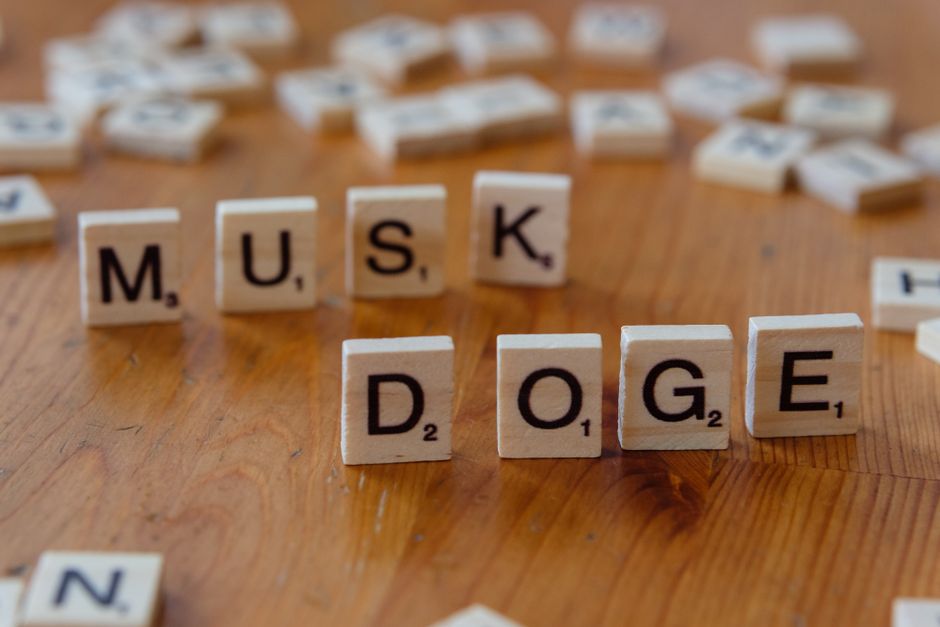
What Are Meme Coins?
Meme coins are cryptocurrencies that originated from internet jokes, social media trends, or viral cultural moments rather than from a defined technical whitepaper or institutional use case. Unlike Bitcoin (BTC) or Ethereum (ETH), which were designed around specific technological goals, meme coins typically derive their value almost entirely from community enthusiasm and speculative demand. The most recognized early example is Dogecoin (DOGE), which began as a joke in 2013 but eventually reached a multi-billion-dollar market capitalization.
Key characteristics of meme coins include:
- **Massive token supply** — many meme coins issue trillions of tokens, keeping per-unit prices extremely low
- **Community-driven value** — price is largely driven by social media hype, influencer endorsements, and viral momentum
- **Limited or no utility** — most meme coins lack a real-world use case, governance function, or revenue-generating protocol
- **Rapid creation cycle** — new meme coins can be launched in minutes using open-source smart contract templates
The fundamental difference between meme coins and mainstream cryptocurrencies lies in their foundation. Bitcoin is secured by proof-of-work (PoW) mining and a fixed supply of 21 million coins. Ethereum supports a vast ecosystem of decentralized applications (dApps). Meme coins, by contrast, typically offer none of these structural advantages, making them far more speculative in nature.
Meme Coin Popularity and Trends
Meme coins have captured significant retail investor attention, particularly in the United States, where platforms like Reddit, X (formerly Twitter), and TikTok can drive millions of dollars of inflows into a single token within hours. The 2021 bull cycle saw Dogecoin surge over 12,000% at its peak, and Shiba Inu (SHIB) briefly entered the top-10 cryptocurrencies by market capitalization (market cap refers to the total value of all coins in circulation).
Factors driving the growth of meme coins include:
- **Celebrity and influencer promotion** — high-profile endorsements can trigger immediate price spikes
- **Low barrier to entry** — buying a meme coin for fractions of a cent creates a psychological feeling of owning large quantities
- **Fear of missing out (FOMO)** — social media amplifies hype cycles and draws in less experienced investors
- **Speculative bull markets** — rising broader crypto markets often lift meme coins disproportionately
As of mid-2026, the top meme coins by trading volume and market cap include Dogecoin (DOGE), Shiba Inu (SHIB), Pepe (PEPE), and Bonk (BONK). New meme coin projects continue to launch daily across networks like Solana and Ethereum, many with extremely short lifespans.
Understanding Meme Coin Volatility
Volatility refers to the degree of price fluctuation over a given period. All cryptocurrencies are considered highly volatile compared to traditional assets like stocks or bonds, but meme coins operate at an entirely different level of risk. A single tweet from a prominent public figure has historically moved meme coin prices by 30–80% within a single trading session.
Reasons for extreme volatility in meme coins:
- **Thin liquidity** — most meme coins have shallow order books, meaning large buy or sell orders cause outsized price swings
- **No fundamental floor** — without underlying revenue or utility, there is no intrinsic value to anchor the price
- **Whale concentration** — early holders often control large percentages of total supply, enabling market manipulation
- **Sentiment-driven trading** — price action follows social media cycles rather than financial fundamentals
Historical examples illustrate the downside sharply. Dogecoin fell over 90% from its 2021 peak within months. Squid Game Token (SQUID), a meme coin referencing the popular TV series, collapsed 99.99% in a matter of minutes in what became a textbook example of a **rug pull** — a scam where developers drain liquidity and abandon the project. These are not outliers; they represent normal outcomes in this asset class.
Investing in Meme Coins: Risks and Considerations
The risks associated with meme coin investing are significant and should be understood thoroughly before any capital is committed. These assets are not appropriate for risk-averse investors or those who cannot afford to lose their entire investment.
Core risks include:
- **Rug pulls and exit scams** — developers disappear with investor funds after pumping the price
- **Pump-and-dump schemes** — coordinated buying inflates price artificially before insiders sell
- **Smart contract vulnerabilities** — unaudited code can be exploited to drain user wallets
- **Zero liquidity events** — some tokens become impossible to sell when market makers exit
- **Regulatory crackdown risk** — US regulators may classify certain meme coins as unregistered securities
Due diligence steps every US investor should take:
- Verify the project’s smart contract has been independently **audited** by a reputable security firm
- Check the token’s **holder concentration** — if the top 10 wallets hold over 50% of supply, manipulation risk is high
- Research whether the development team is **doxxed** (publicly identified) or anonymous
- Review on-chain liquidity lock status — is liquidity locked in a time-locked contract or freely withdrawable?
Diversification cannot fully protect investors in meme coins, but allocating only a very small, predetermined percentage of a broader crypto portfolio — commonly referred to as a **speculative allocation** — limits catastrophic loss to one’s overall financial position.
Meme Coin Investment Strategies for US Investors
For US investors who choose to participate in meme coin markets despite the risks, a disciplined, analytical framework is essential. Strategy should start with **market sentiment analysis** — monitoring social media volume, Google Trends data, and on-chain metrics such as new wallet creation and transaction counts.
Technical analysis (TA) tools commonly applied to meme coins include:
- **Relative Strength Index (RSI)** — measures whether an asset is overbought or oversold
- **Moving Averages (MA)** — identifies trend direction over defined time periods
- **Volume analysis** — validates whether a price move is backed by real buying pressure or thin-air trading
Long-term vs. short-term considerations:
| Strategy | Timeframe | Risk Level | Key Consideration |
|---|---|---|---|
| Short-term trading | Hours to days | Extreme | Requires active monitoring and fast execution |
| Swing trading | Days to weeks | Very high | Relies heavily on momentum and social catalysts |
| Long-term holding | Months to years | High | Very few meme coins retain value long-term |
| Dollar-cost averaging | Recurring intervals | High | Reduces timing risk but not fundamental risk |
No strategy eliminates the core risk that a meme coin could reach zero. Position sizing discipline — never investing more than you can afford to lose entirely — is the single most important rule.
Regulatory Environment and Tax Implications for Meme Coins in the US
The US regulatory environment for cryptocurrencies has evolved considerably. The Securities and Exchange Commission (SEC) and Commodity Futures Trading Commission (CFTC) both assert jurisdiction over various aspects of the crypto market. While Bitcoin and Ethereum have generally been treated as commodities, many altcoins and meme coins remain in a legal gray zone regarding whether they constitute **securities** under the Howey Test — a legal standard used to determine whether an asset qualifies as an investment contract.
US tax law is clear: the Internal Revenue Service (IRS) treats all cryptocurrency, including meme coins, as **property** for tax purposes. This means:
- Selling, trading, or spending meme coins triggers a **capital gains tax** event
- Short-term gains (assets held under one year) are taxed as ordinary income
- Long-term gains (assets held over one year) qualify for preferential capital gains tax rates
- Receiving meme coins as income or rewards is taxed as **ordinary income** at fair market value
Reporting requirements include disclosing crypto transactions on IRS Form 8949 and Schedule D. Crypto tax software tools can help US investors track cost basis across multiple wallets and exchanges. Consulting a qualified tax professional with cryptocurrency experience is strongly recommended.
Meme Coins and Blockchain Technology
Most meme coins are deployed on existing blockchain networks rather than operating their own independent chain. Dogecoin is a notable exception — it runs on its own **proof-of-work** blockchain derived from Litecoin’s codebase. The majority of newer meme coins, however, are **ERC-20 tokens** on Ethereum or **SPL tokens** on Solana.
This has meaningful implications for security and efficiency:
- **Ethereum-based meme coins** benefit from Ethereum’s robust security and decentralization but face higher gas fees (transaction costs)
- **Solana-based meme coins** offer faster and cheaper transactions but on a network considered less decentralized than Ethereum
- **BNB Chain meme coins** use Binance’s blockchain infrastructure, which is highly centralized
Scalability — the ability of a network to handle growing transaction volumes — and security tradeoffs vary significantly by chain. Most meme coin smart contracts are not independently audited, creating substantial technical risk beyond market volatility alone. Upgrades or improvements to underlying blockchain infrastructure can benefit meme coins hosted on those networks, but project-level code risk remains largely independent.
Staying Informed: Resources for Meme Coin Investors
Navigating the meme coin market requires access to reliable, real-time information. Given the speed at which trends develop and collapse, staying current is as important as any trading strategy.
Recommended resource categories for US investors:
- **On-chain data platforms** — tools that display wallet activity, liquidity pool data, and token holder concentration in real time
- **Crypto news aggregators** — reputable English-language outlets covering regulatory developments, market analysis, and security incidents
- **Community forums and social platforms** — Reddit communities (e.g., r/CryptoCurrency), Discord servers, and X feeds from credible analysts provide real-time sentiment data; treat these critically and verify claims independently
- **Portfolio and price tracking apps** — mobile apps that aggregate prices across exchanges, display historical charts, and send price alerts
Due diligence tools specifically valuable for meme coins include token scanner platforms that flag honeypot contracts (code that allows buying but prevents selling), high developer wallet concentration, and unlocked liquidity. These tools are freely available and should be part of any review before investing.
Always cross-reference information across multiple sources. Single-source signals — especially from anonymous social media accounts — are a common vector for manipulation in this market segment.
—
> **Investment Risk Disclaimer:** Meme coins are highly speculative assets with extreme volatility. You can lose your entire investment. Nothing in this article constitutes financial, investment, tax, or legal advice. Always conduct your own due diligence and consult a qualified financial professional before making any investment decisions. Past performance is not indicative of future results.
Frequently Asked Questions (FAQ)
Q: What are the most popular meme coins in the market today?
A: As of mid-2026, Dogecoin (DOGE) and Shiba Inu (SHIB) remain the largest meme coins by market capitalization. Pepe (PEPE) and Bonk (BONK) have also gained significant trading volume, particularly on Solana. New meme coins launch constantly, and rankings shift rapidly based on social media momentum.
Q: How do I buy and store meme coins safely?
A: Meme coins are available on major centralized exchanges (CEX) such as Coinbase and Kraken, as well as decentralized exchanges (DEX) like Uniswap or Raydium. For storage, hardware wallets — physical devices that keep your private keys offline — offer the highest security compared to leaving assets on an exchange. Always verify the official contract address before purchasing on a DEX to avoid counterfeit tokens.
Q: What are the tax implications of investing in meme coins in the US?
A: The IRS classifies all cryptocurrency, including meme coins, as property. Every sale, trade, or spend is a taxable event. Short-term capital gains (held under one year) are taxed at your ordinary income rate; long-term gains (held over one year) qualify for lower capital gains rates. Accurate record-keeping is essential, and crypto-specific tax software can simplify reporting on IRS Form 8949.
Explore more trending cryptos guides on our site.
Charting & Exchange Resources
| Platform | Use Case | Key Feature | Fee Model | Action |
|---|---|---|---|---|
| TradingView | Charting & technical analysis | Indicators, multi-timeframe charts | Free / Pro tiers | View Platform |
| Coinbase | Exchange (beginner-friendly) | Simple USD on-ramp, educational tools | Varies by region | View Platform |
| Binance | Exchange (advanced pairs) | Wide altcoin coverage, spot markets | Varies by region | View Platform |
Affiliate Disclosure: This post contains affiliate links. We may earn a commission if you buy through our links, at no extra cost to you. Investment Risk Disclaimer: Cryptocurrency and digital asset markets are highly volatile. This content is for informational and educational purposes only and is not financial, investment, or trading advice. You may lose some or all of your capital. Do your own research and consult a licensed financial advisor before making investment decisions.
Leave a Reply