SEC Crypto Regulation News: What Every Investor Needs to Know
The Securities and Exchange Commission (SEC) has ramped up its focus on cryptocurrency markets in recent years, making SEC crypto regulation news essential reading for anyone holding or considering digital assets. The agency, which oversees US securities markets, has increasingly treated many cryptocurrencies as securities subject to its rules. This shift carries significant implications for crypto investors, exchanges, and companies building in the blockchain space. Understanding how the SEC operates within this rapidly evolving ai-news landscape is critical for protecting your investments and making informed decisions.
The SEC’s increased activity in crypto markets stems from a fundamental question: should digital assets be regulated as securities, commodities, or something entirely new? That debate has shaped enforcement actions, investor guidance, and the legal landscape for thousands of crypto projects. For everyday American investors, the outcomes of these regulatory battles directly affect which assets they can access, how exchanges operate, and what protections — if any — apply to their holdings. This guide breaks down the key SEC regulatory themes and what they mean for your portfolio.
—
Understanding the SEC’s Role in Crypto Regulation
The SEC derives its authority from federal securities laws, primarily the Securities Act of 1933 and the Securities Exchange Act of 1934. Under these statutes, a security is defined as any investment contract, note, stock, or instrument that passes the **Howey Test** — a legal standard established by a 1946 Supreme Court case. The Howey Test asks whether an investor is pooling money into a common enterprise with an expectation of profit derived primarily from the efforts of others.
The SEC has applied this same test to many cryptocurrencies, arguing that tokens sold during initial coin offerings (ICOs) function like traditional securities. When a crypto project sells tokens to the public and promises future value based on the company’s development efforts, the SEC typically views that offering as an unregistered securities sale. This enforcement posture has brought major crypto companies under scrutiny, including Coinbase, Binance, and numerous token issuers.
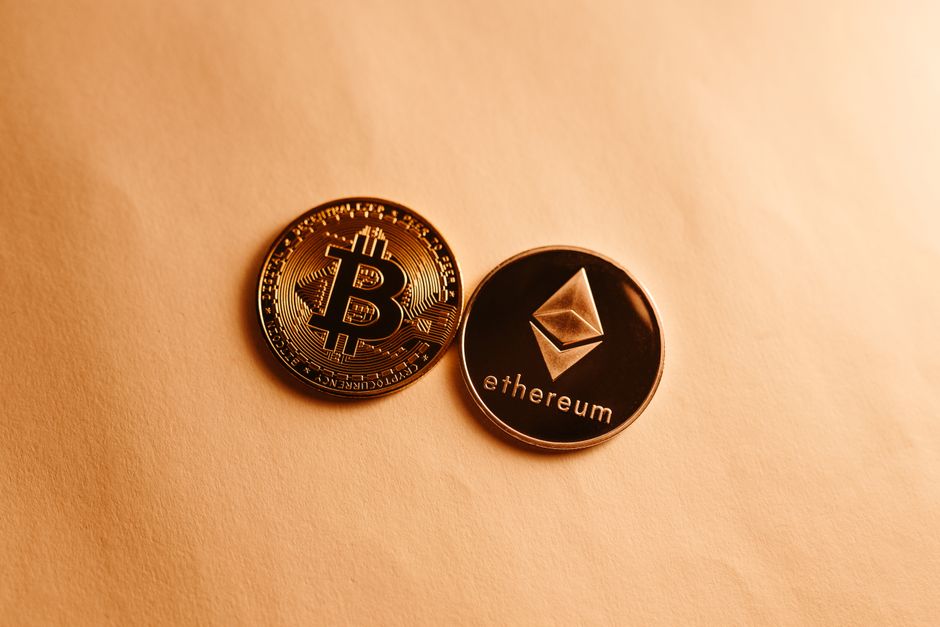
Not all digital assets are treated as securities, however. The Commodity Futures Trading Commission (CFTC), a separate US regulator, oversees Bitcoin (BTC) and Ethereum (ETH), classifying them as commodities rather than securities. This jurisdictional split between the SEC and CFTC has created a complex regulatory environment where one token might face SEC scrutiny while a functionally similar asset falls under CFTC oversight.
—
Recent SEC Enforcement Actions and Their Market Impact
The SEC has pursued an aggressive enforcement agenda against crypto companies, filing landmark cases that have reshaped the industry. Some of the most consequential SEC crypto regulation news involves high-profile actions against major exchanges and token issuers. These cases signal the agency’s willingness to bring the full weight of securities law to bear on the digital asset space.
**Notable SEC enforcement cases:**
- **Coinbase and Binance lawsuits (2023):** The SEC filed simultaneous civil suits against the two largest US cryptocurrency exchanges, alleging they operated unregistered securities exchanges by listing tokens the agency classified as securities
- **Terraform Labs and Do Kwon:** SEC enforcement led to a $4.47 billion judgment against the collapsed TerraUSD and LUNA ecosystem, marking one of the largest crypto-related penalties
- **Ripple Labs (XRP):** The SEC sued Ripple over its XRP token sales, creating a landmark case that produced a mixed July 2023 ruling with ongoing legal proceedings
- **Kraken exchange:** The SEC charged Kraken with operating an unregistered securities exchange, leading to a $30 million settlement in February 2024
These enforcement actions have created uncertainty across the crypto market. When the SEC targets a major exchange or widely-held token, price volatility often follows as investors react to regulatory risk. The uncertainty itself acts as a market force, making some institutional investors hesitant to allocate capital to digital assets until regulatory clarity improves.
—
How SEC Regulation Affects Cryptocurrency Exchanges
For American investors, the most tangible impact of SEC regulation is felt through changes at cryptocurrency exchanges. The SEC has issued guidance and taken enforcement actions that fundamentally reshape how exchanges operate within the United States. These changes affect which assets are available for trading, how platforms are structured, and what investor protections apply.
The SEC has taken the position that exchanges listing tokens classified as securities must register with the agency as national securities exchanges — a costly and complex compliance requirement. Many exchanges have responded by restricting US-based customers from accessing certain tokens or delisting assets the SEC flagged as potentially unregistered securities.
| Exchange Type | SEC Requirements | US Investor Impact |
|---|---|---|
| Registered national securities exchange | Full SEC registration, transparency rules, investor protections | Limited token selection but higher regulatory oversight |
| Offshore exchange (non-US) | Not subject to SEC jurisdiction | Access to more tokens but no SEC protections |
| Decentralized exchange (DEX) | Ambiguous regulatory status | Limited KYC but potential legal uncertainty |
| Crypto-to-crypto platform | Varies by token classification | Broader asset access with higher personal risk |
US investors should understand that using offshore or decentralized exchanges to access tokens flagged by the SEC does not eliminate regulatory risk — it merely shifts it. Investors themselves may face legal exposure if they purchase tokens later deemed to be unregistered securities by the SEC.
—
ICOs and STOs: Regulatory Pathways and Investor Risks
Initial Coin Offerings (ICOs) were the dominant fundraising method for crypto projects from roughly 2017 through 2020. Companies sold digital tokens to investors, often promising utility within a future platform or revenue sharing. The SEC quickly moved to regulate ICOs as securities offerings, requiring compliance with registration requirements or risking enforcement action. Many high-profile ICOs from that era — including several that collapsed — are now the subject of ongoing SEC investigations.
Security Token Offerings (STOs) emerged as a potential regulatory-compliant alternative. Unlike utility-token ICOs, STOs are explicitly structured as securities offerings from the outset. They must comply with SEC registration requirements or qualify for exemptions under Regulation D, Regulation S, or Regulation A+. For investors, STOs offer clearer legal standing and — in theory — stronger investor protections because they operate within established securities frameworks.
**Key compliance requirements for token offerings:**
- **Accredited investor restrictions:** Many compliant STOs limit participation to accredited investors meeting SEC income or net-worth thresholds
- **Know Your Customer (KYC) verification:** SEC-compliant platforms require identity verification for all participants
- **On-chain compliance tools:** Some projects now embed compliance logic directly into token smart contracts to restrict transfers to verified wallets
- **Ongoing reporting obligations:** Companies with registered token offerings must file periodic reports with the SEC
For individual investors, the distinction between ICOs and STOs matters significantly. STOs generally carry lower legal risk for the issuing company, meaning investor capital is less likely to be trapped by regulatory shutdowns. However, STO investments still carry the same market risks as any early-stage security — high volatility, limited liquidity, and potential total loss.
—
Crypto Investment Funds and the SEC’s Regulatory Framework
The SEC has also moved to regulate funds that invest in cryptocurrency assets. Investment funds holding digital assets must register with the SEC or qualify for exemptions, and fund managers who provide investment advice regarding crypto assets face registration requirements under the Investment Advisers Act of 1940. These requirements add operational complexity and cost for fund managers, which gets passed along to investors through higher management fees.
One of the most significant recent developments in SEC crypto regulation news is the approval and expansion of **Bitcoin Exchange-Traded Funds (ETFs)**. In January 2024, the SEC approved the first US-listed spot Bitcoin ETFs, allowing traditional brokerage accounts to hold Bitcoin directly. This marked a major shift in the regulatory landscape, bringing cryptocurrency into the mainstream brokerage ecosystem with SEC oversight and standard investor protections.
However, the SEC has been more cautious with Ether ETFs, and many altcoin investment products remain unavailable as regulated retail investment vehicles. The distinction matters for investors: spot Bitcoin ETFs offered through regulated brokerages carry SEC oversight and institutional-grade custody solutions, while direct cryptocurrency holdings on self-custody platforms carry no equivalent federal protection.
—
The Broader Market Impact of SEC Regulatory Action
The cumulative effect of SEC enforcement on crypto markets has been considerable. Increased regulatory pressure has driven several outcomes that shape how investors interact with digital assets today. First, many crypto companies have strengthened their legal and compliance teams, creating more professional operations — though at significant cost. Second, some projects have restructured their token economics or legal status to fall outside SEC jurisdiction, sometimes at the expense of decentralization principles.
Third, the regulatory environment has created a significant competitive disadvantage for US-based crypto companies relative to offshore competitors. Several major crypto firms have relocated or restructured their legal entities to jurisdictions with clearer or more permissive regulatory frameworks, reducing American investors’ access to innovative financial products. This diaspora of talent and capital raises genuine concerns about whether heavy-handed SEC enforcement ultimately harms US competitiveness in a rapidly growing global financial sector.
**Potential benefits of stronger SEC oversight:**
- Greater transparency from registered crypto companies
- Improved investor protections against fraud and market manipulation
- Standardized reporting requirements that help investors make informed decisions
- Clearer legal recourse if a registered entity engages in misconduct
**Risks and challenges posed by current SEC regulatory posture:**
- Regulatory uncertainty driving institutional capital away from US crypto markets
- High compliance costs that disadvantage smaller crypto projects
- Jurisdictional ambiguity between SEC and CFTC authority over different assets
- Limited retail access to certain tokens due to exchange delistings
—
What Investors Should Do Right Now
Given the evolving regulatory environment, US crypto investors should take proactive steps to manage their risk exposure. Review your current holdings to understand whether the assets you hold could be classified as securities under SEC guidance. Diversification across different categories — commodities like Bitcoin and ETH versus utility tokens — can reduce concentration in any single regulatory risk category.
Consider moving significant crypto holdings to reputable platforms that maintain compliance with SEC requirements, even if those platforms offer a narrower selection of tokens. Self-custody and decentralized platforms offer more freedom but also shift the full burden of regulatory compliance onto the individual investor. Document all cryptocurrency transactions carefully for tax purposes, as the IRS treats digital assets as property subject to capital gains rules.
Most importantly, treat cryptocurrency as a high-risk asset class appropriate only for money you can afford to lose entirely. No amount of regulatory clarity eliminates the fundamental volatility of crypto markets, and past performance of any digital asset provides no guarantee of future results.
—
Frequently Asked Questions (FAQ)
What is the likelihood of comprehensive crypto regulation in the United States?
Comprehensive crypto legislation faces significant hurdles in Congress due to disagreements over whether digital assets should be classified as securities or commodities. While bipartisan support exists for some form of crypto regulation, the jurisdictional split between the SEC and CFTC has created political gridlock. Investors should plan for continued regulatory uncertainty over the next several years, regardless of which administration controls the executive branch.
How does the SEC apply the securities definition to digital assets?
The SEC applies the Howey Test to determine whether a crypto token qualifies as a security. If investors are pooling money into a project with an expectation of profit primarily driven by the efforts of a third party (the development team), the SEC typically considers that token an unregistered security. The SEC has published frameworks and statements clarifying this position, and the Ripple case has begun establishing judicial precedent for how these arguments hold up in court.
What are the main risks of SEC regulation for crypto investors?
SEC regulatory action against a cryptocurrency project or exchange can cause significant price declines, restrict access to trading platforms, or freeze investor assets during legal proceedings. Investors in tokens later deemed unregistered securities may face losses not covered by standard investor protections. However, SEC oversight also brings legitimate protections against fraud and market manipulation that unregulated markets lack.
Should I avoid crypto assets the SEC classifies as securities?
Not necessarily — many legitimate cryptocurrency projects operate with SEC compliance or are structured to fall outside securities classification. The key is understanding which assets in your portfolio carry regulatory risk and sizing those positions accordingly. Spreading exposure across established commodity-classified assets like Bitcoin and Ethereum alongside any securities-classified tokens helps balance innovation potential against enforcement risk.
—
**Investment Risk Disclaimer:** Cryptocurrency markets are highly volatile and speculative. Digital asset prices can fluctuate dramatically within short periods, and investors risk losing their entire capital. Regulatory changes — including SEC enforcement actions, new legislation, or shifts in agency interpretation — can significantly and unpredictably impact asset values. Nothing in this article constitutes financial, legal, or investment advice. Always consult a qualified financial advisor before making investment decisions involving digital assets.
Explore more ai news guides on our site.
Charting & Exchange Resources
| Platform | Use Case | Key Feature | Fee Model | Action |
|---|---|---|---|---|
| TradingView | Charting & technical analysis | Indicators, multi-timeframe charts | Free / Pro tiers | View Platform |
| Coinbase | Exchange (beginner-friendly) | Simple USD on-ramp, educational tools | Varies by region | View Platform |
| Binance | Exchange (advanced pairs) | Wide altcoin coverage, spot markets | Varies by region | View Platform |
Affiliate Disclosure: This post contains affiliate links. We may earn a commission if you buy through our links, at no extra cost to you. Investment Risk Disclaimer: Cryptocurrency and digital asset markets are highly volatile. This content is for informational and educational purposes only and is not financial, investment, or trading advice. You may lose some or all of your capital. Do your own research and consult a licensed financial advisor before making investment decisions.
Leave a Reply