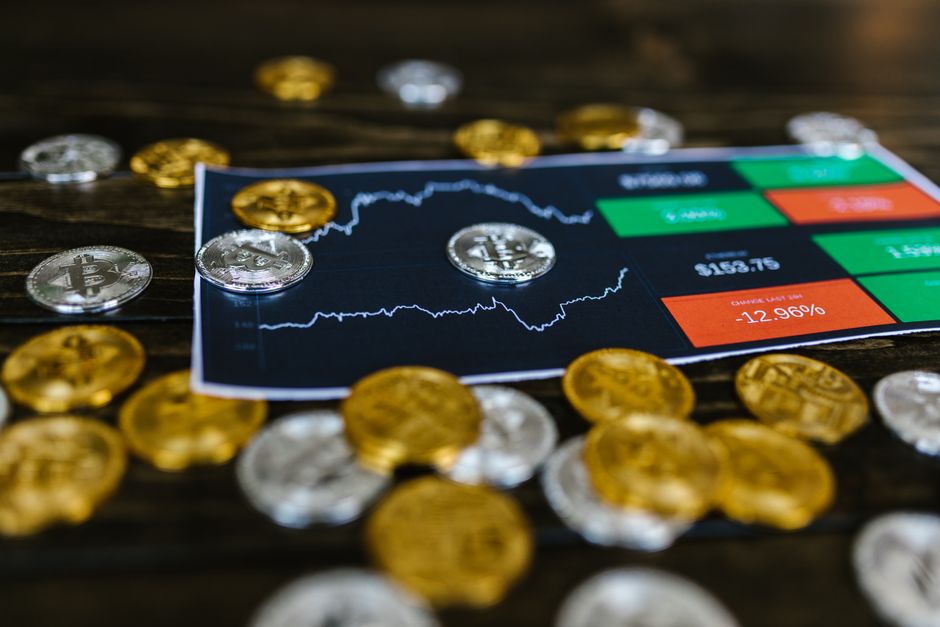
Introduction to Altcoins and Their Role in the Crypto Market
Altcoins represent every cryptocurrency that came after Bitcoin — essentially any digital asset that is not Bitcoin falls into this broad category. The term itself is a combination of “alternative” and “coin,” and the space has grown from a handful of projects in the early 2010s into a multi-thousand-coin ecosystem worth hundreds of billions of dollars. Altcoins serve many purposes: some aim to improve Bitcoin’s limitations around transaction speed or energy consumption, while others focus on specific use cases such as smart contracts, decentralized finance (DeFi), non-fungible tokens (NFTs), or enterprise blockchain solutions.
The fundamental difference between altcoins and Bitcoin lies in their underlying technology and economic models. Bitcoin was designed primarily as a store of value and peer-to-peer cash system. Many altcoins, by contrast, build additional functionality on top of blockchain technology — such as programmable contracts, staking mechanisms, or privacy features. This does not make them automatically superior or inferior; it simply means they carry distinct risk and reward profiles. Understanding what each altcoin actually does — and why it exists — is the foundation of any sound research process before allocating capital.
Current Altcoin Market Overview and Trends
The altcoin market in 2026 continues to exhibit the high-volatility characteristics that seasoned crypto investors have come to expect. While Bitcoin and Ethereum remain the dominant assets by market capitalization, altcoins collectively represent a significant share of total crypto market value — and they tend to move more dramatically in both directions during market cycles. When sentiment is bullish, altcoins can produce outsized gains; when sentiment shifts risk-off, they can lose value far more rapidly than the two market leaders.
Several factors currently shape the altcoin landscape. Regulatory developments in the United States and Europe have a direct impact on which projects can operate freely and which face restrictions. Technological upgrades — such as blockchain network migrations, protocol improvements, or new layer-2 scaling solutions — can dramatically alter an altcoin’s competitive position. Institutional interest, shown through venture capital funding and corporate treasury adoption, also influences market perception and liquidity. Investors should monitor these macro-level signals alongside project-specific developments when evaluating the broader altcoin market relative to Bitcoin and Ethereum.
Investment Risks and Rewards of Altcoins
Investing in altcoins carries a distinct risk-reward profile compared to holding Bitcoin or Ethereum. On the reward side, altcoins have historically demonstrated the potential for explosive percentage gains during bull market cycles, sometimes outpacing Bitcoin by a wide margin. Many altcoins represent emerging technologies still in development, which means early investors can gain exposure to projects that have not yet reached mainstream adoption. Diversification across multiple altcoins — when done thoughtfully — can balance a portfolio’s overall risk exposure across different sectors and technological approaches.
On the risk side, the altcoin market is significantly more speculative. Many projects fail entirely, with developers abandoning the code, exchanges delisting the tokens, or markets simply losing interest. Liquidity risk is real: smaller altcoins can be difficult to sell without substantially moving the market price. Volatility cuts both ways, and the same price swings that create opportunity can devastate a concentrated position. Every altcoin investment decision should be preceded by thorough, independent research — not social media hype or influencer endorsements. Never invest more than you can afford to lose entirely.
Top Altcoin Categories Worth Researching in 2026
Rather than recommending specific tickers, it is more useful to understand the major categories of altcoins that US investors commonly research. Each category has its own risk profile and potential use case. The table below outlines four major categories alongside their primary characteristics and notable risk factors.
| Category | Primary Use Case | Key Risk Factor |
|---|---|---|
| **Smart Contract Platforms** | Decentralized apps and tokens | Network competition, developer activity |
| **DeFi Tokens** | Lending, staking, exchanges | Protocol exploits, regulatory scrutiny |
| **Layer-2 Solutions** | Scaling and faster transactions | Adoption dependency, token economics |
| **Privacy Coins** | Anonymous transactions | Regulatory bans in some jurisdictions |
Researching projects within each category — evaluating their technology, adoption metrics, team transparency, and community health — is a more disciplined approach than chasing trending coins. Always verify claims with on-chain data and independently verifiable sources before committing capital.
Technical Analysis for Altcoin Evaluation
Technical analysis (TA) involves studying historical price charts, trading volume, and chart patterns to identify potential future price movements. While TA is not a crystal ball, it provides a structured framework for understanding market sentiment and identifying key support and resistance levels. Common tools include moving averages, Relative Strength Index (RSI), and volume profile indicators.
For altcoins specifically, TA carries additional caveats. Many altcoins have thinner trading volumes than Bitcoin or Ethereum, which means price charts can be more easily manipulated by large players — a phenomenon known as wash trading or pump-and-dump schemes. Bollinger Bands and moving average convergence divergence (MACD) indicators can help identify overbought or oversold conditions, but these signals should be cross-referenced with fundamental research before making any investment decision. Technical analysis works best as one input among several, not as a standalone predictor.
Fundamental Analysis for Long-Term Viability
Fundamental analysis (FA) shifts the focus away from price charts and toward the underlying health of the project itself. Key questions include: Does the altcoin solve a real problem? Is the development team transparent and active? Does the project have genuine user adoption, or just hype? What are the token’s economics — total supply, inflation rate, and utility within the ecosystem?
Whitepapers remain a useful starting point, though they should not be taken as definitive proof of a project’s merit. Checking GitHub activity shows whether developers are actively maintaining and improving the codebase. On-chain metrics — such as active wallet addresses, transaction counts, and decentralized exchange (DEX) volume — provide quantitative evidence of real usage. Community size and health, measured through Discord or Telegram activity, can also signal long-term staying power. Combining technical and fundamental analysis gives investors the most complete picture before committing to a position.
Practical Steps for US Investors
For readers in the United States ready to conduct their own research, several practical steps apply. First, choosing a reputable US-based cryptocurrency exchange is essential — look for platforms registered with the Financial Crimes Enforcement Network (FinCEN) and check whether they offer the specific altcoins you are researching. After purchase, securing assets in a personal hardware wallet rather than leaving them on an exchange reduces the risk of losing funds through exchange hacks or platform insolvency.
Tax implications deserve careful attention. The Internal Revenue Service (IRS) treats cryptocurrency as property in the United States, meaning every altcoin sale, swap, or trade may trigger a capital gains or loss event. Keeping detailed records of every transaction — including dates, amounts, and cost basis — simplifies tax reporting. Consulting a tax professional who specializes in cryptocurrency is a wise step for anyone actively trading altcoins. Finally, regulatory changes can occur rapidly in the US crypto space. Subscribing to reliable news sources and monitoring announcements from the Securities and Exchange Commission (SEC) and Commodity Futures Trading Commission (CFTC) helps investors stay ahead of developments that could affect their holdings.
For ongoing market monitoring, many investors track altcoin performance through dedicated altcoin news and analysis platforms that aggregate on-chain data, project updates, and regulatory filings in one place. Staying informed through multiple independent sources is a habit that separates methodical researchers from impulsive traders.
Frequently Asked Questions (FAQ)
What are the main risks associated with investing in altcoins?
Altcoin investing carries several distinct risks: extreme price volatility that can result in significant losses within hours or days, project failure where developers abandon the work entirely, liquidity risk that makes selling difficult without price impact, regulatory risk as governments may restrict or ban certain tokens, and technology risk where the underlying blockchain may contain unresolved technical flaws. Diversification, thorough research, and position sizing discipline are the primary tools for managing these risks.
How can I conduct thorough research on an altcoin before investing?
Effective altcoin research combines multiple approaches. Start by reading the project’s whitepaper to understand its stated goals and technology. Examine on-chain metrics such as active addresses, transaction volume, and smart contract activity on blockchain explorers. Review the development team’s history, credibility, and transparency. Assess the competitive landscape — what makes this project different from alternatives? Monitor community activity and real-world adoption data. Cross-reference findings with independent analysis from reputable sources, and be deeply skeptical of any project that guarantees returns or relies heavily on influencer promotion.
What red flags should I watch out for when researching an altcoin?
Several warning signs deserve immediate scrutiny. Anonymous or entirely undisclosed development teams remove accountability and make it impossible to verify credentials. Vague or overblown value propositions — especially promises of guaranteed returns or “revolutionary” technology without technical specifics — are major red flags. Extreme token inflation, where the supply expands rapidly, erodes the value of existing holdings. Excessive marketing with little genuine product development suggests a project more focused on token price than solving real problems. Finally, watch for cloned or copied codebases that offer no meaningful innovation over established projects.
**Disclaimer:** The cryptocurrency market is highly volatile and subject to rapid changes in prices. This article provides informational and analytical content to support informed decision-making, but it does not constitute financial, investment, or legal advice. Cryptocurrency investments carry substantial risk of loss. Always conduct your own independent research, evaluate your personal risk tolerance, and consult a qualified financial advisor before making any investment decisions.
Charting & Exchange Resources
| Platform | Use Case | Key Feature | Fee Model | Action |
|---|---|---|---|---|
| TradingView | Charting & technical analysis | Indicators, multi-timeframe charts | Free / Pro tiers | View Platform |
| Coinbase | Exchange (beginner-friendly) | Simple USD on-ramp, educational tools | Varies by region | View Platform |
| Binance | Exchange (advanced pairs) | Wide altcoin coverage, spot markets | Varies by region | View Platform |
Affiliate Disclosure: This post contains affiliate links. We may earn a commission if you buy through our links, at no extra cost to you. Investment Risk Disclaimer: Cryptocurrency and digital asset markets are highly volatile. This content is for informational and educational purposes only and is not financial, investment, or trading advice. You may lose some or all of your capital. Do your own research and consult a licensed financial advisor before making investment decisions.
Leave a Reply