Understanding Meme Coins
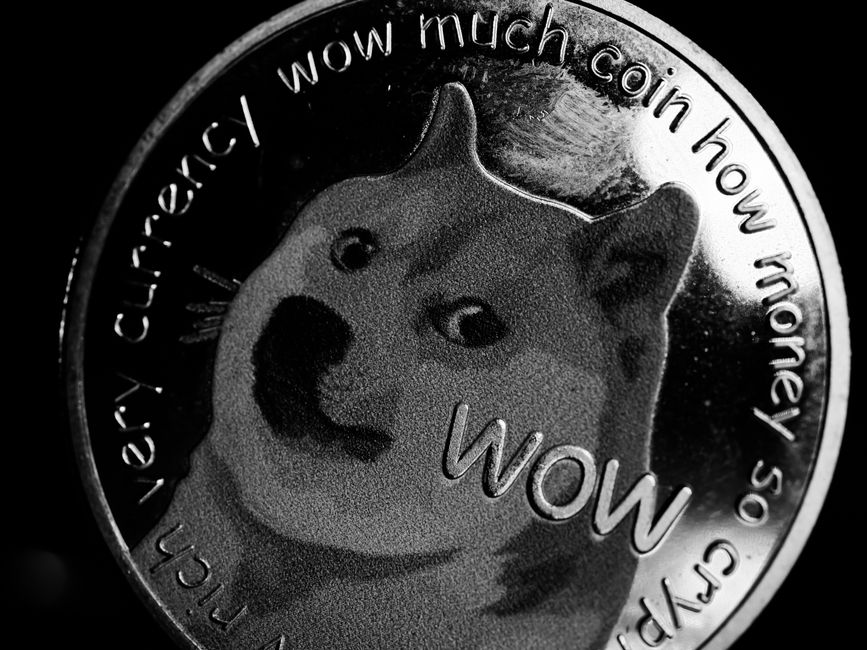
Meme coins are **cryptocurrencies inspired by internet memes, jokes, or viral trends** rather than technological innovation or real-world utility. Unlike Bitcoin (BTC) or Ethereum (ETH), which were designed to solve specific problems—decentralized payments and smart contracts, respectively—meme coins often launch as satirical projects or community-driven experiments. Dogecoin (DOGE), created in 2013 as a parody of Bitcoin, remains the most recognized example. Shiba Inu (SHIB), launched in 2020, followed a similar playbook, branding itself as the “Dogecoin killer.”
The difference between meme coins and mainstream cryptocurrencies lies in **fundamental value and use cases**. Bitcoin is considered digital gold, a store of value with a fixed supply of 21 million coins. Ethereum powers decentralized applications (dApps) and DeFi (decentralized finance) protocols. Meme coins, by contrast, typically lack technical roadmaps, enterprise adoption, or revenue models. Their value is almost entirely driven by **community sentiment, social media buzz, and speculative trading**.
Several factors contribute to the popularity of meme coins among US retail investors. Low entry prices—often fractions of a cent—create the illusion of accessibility and the potential for massive percentage gains. Social media platforms like Twitter (X), Reddit, and TikTok amplify hype cycles, with influencers and celebrity endorsements (such as Elon Musk’s tweets about Dogecoin) triggering viral surges. The **gamification of investing** and the appeal of being “early” to the next big thing fuel Fear of Missing Out (FOMO), drawing inexperienced traders into highly volatile assets.
Key Risks of Investing in Meme Coins
Meme coins exhibit **extreme price volatility**, with daily swings of 20%, 50%, or even 100% not uncommon. Unlike traditional stocks or bonds, which are influenced by earnings reports, economic data, and regulatory oversight, meme coin prices are driven almost entirely by speculation and social media sentiment. A single tweet or Reddit post can send prices soaring or crashing within minutes. This volatility makes meme coins unsuitable for risk-averse investors or those seeking stable, long-term growth.
The **lack of fundamental value** is a critical risk factor. Mainstream cryptocurrencies like Ethereum have measurable metrics: network activity, transaction volume, developer adoption, and institutional investment. Meme coins rarely have these indicators. Many are ERC-20 tokens on the Ethereum blockchain with no unique technical features. When the hype fades, prices often collapse to near-zero, leaving late entrants with worthless holdings. The “greater fool theory” applies: profits depend entirely on finding someone willing to pay more, not on the asset’s intrinsic worth.
Meme coins are highly **susceptible to market manipulation**. Coordinated “pump and dump” schemes—where early holders or influencers artificially inflate prices through hype, then sell off their holdings—are common. Rug pulls, where developers abandon a project and drain liquidity pools, have resulted in millions of dollars in losses. The decentralized, pseudonymous nature of crypto markets makes it difficult for US regulatory agencies like the SEC (Securities and Exchange Commission) to prosecute fraud. Investors must recognize that meme coin markets often resemble casinos more than traditional investment venues.
Evaluating Meme Coin Investments
Assessing the credibility of a meme coin requires **due diligence beyond price charts and social media hype**. Start by examining the project’s website, whitepaper (if one exists), and GitHub repository. Legitimate projects disclose team members, development roadmaps, and tokenomics (supply distribution, burn mechanisms, and utility). Anonymous teams are a red flag. Check if the token contract has been audited by reputable firms like CertiK or Quantstamp; unaudited contracts may contain hidden backdoors allowing developers to mint unlimited tokens or freeze trading.
Analyzing **market trends and historical performance** helps identify sustainable projects versus flash-in-the-pan scams. Use platforms like CoinMarketCap or CoinGecko to review trading volume, market capitalization, and holder distribution. A coin with 90% of supply held by a few wallets is vulnerable to manipulation. Compare price action during broader market downturns—did the coin hold value, or did it drop 95% when Bitcoin corrected? Meme coins that survive bear markets (multi-year downturns in crypto prices) demonstrate stronger community support and potential longevity.
Warning signs of risky investments include **unrealistic promises and aggressive marketing tactics**. Be wary of projects guaranteeing returns, using language like “guaranteed 1000x gains” or “can’t lose.” Excessive focus on celebrity endorsements over technical development is a red flag. Check social media for bot activity—fake followers, repetitive comments, and coordinated posting patterns indicate artificial hype. If a project pressures investors to “buy now before it’s too late,” it’s likely a pump scheme. Never invest more than you can afford to lose entirely.
Case Studies: Successful Meme Coins
Dogecoin (DOGE) remains the most successful meme coin by market capitalization and longevity. Launched in 2013 by software engineers Billy Markus and Jackson Palmer, Dogecoin was intended as a lighthearted alternative to Bitcoin. Despite its satirical origins, DOGE developed a **loyal community** that used the coin for tipping content creators and charitable fundraising (including sponsoring a NASCAR driver and funding clean water projects in Kenya). Elon Musk’s repeated endorsements on Twitter, combined with listings on major US exchanges like Coinbase and Robinhood, prop d DOGE to an all-time high near $0.73 in May 2021. Its success demonstrates that **community engagement and mainstream accessibility** can sustain a meme coin beyond initial hype cycles.
Shiba Inu (SHIB) launched in August 2020 as an Ethereum-based “Dogecoin killer” with a total supply of one quadrillion tokens. The project gained traction by **building an ecosystem** that includes ShibaSwap (a decentralized exchange), NFT collections, and plans for a layer-2 blockchain called Shibarium. SHIB’s developers implemented token burns (permanently removing coins from circulation) to increase scarcity. At its peak in October 2021, SHIB reached a market cap exceeding $40 billion, delivering life-changing returns to early holders. The coin’s success was driven by aggressive marketing, exchange listings, and the perception that it offered “Dogecoin-like gains” at a lower entry price. However, SHIB has since lost over 80% of its peak value, illustrating the volatility inherent in meme coin investments.
These case studies reveal common success factors: **early mover advantage, community-driven development, exchange accessibility, and sustained media attention**. However, survivorship bias is critical to acknowledge. For every Dogecoin or Shiba Inu, thousands of meme coins have failed, leaving investors with total losses. Past performance does not guarantee future results, especially in assets driven by sentiment rather than fundamentals.
Meme Coins and Market Psychology
Fear of Missing Out (FOMO) is the **primary psychological driver** behind meme coin speculation. When investors see others posting screenshots of 10x or 100x gains on social media, the emotional impulse to participate can override rational risk assessment. This behavior is amplified by the 24/7 nature of crypto markets—unlike stock markets with set trading hours, crypto never closes, creating constant pressure to act quickly. FOMO leads to buying at peak prices, often right before corrections, resulting in steep losses when hype subsides.
Social media platforms and **influencer marketing play outsized roles** in shaping meme coin trends. Twitter threads analyzing “the next 100x gem,” TikTok videos promising financial freedom, and YouTube channels with clickbait thumbnails create information cascades where unverified claims spread rapidly. Many influencers receive undisclosed payments or free tokens to promote projects, creating conflicts of interest. The SEC has issued warnings about crypto influencer fraud, but enforcement remains limited. US investors should treat social media investment advice with extreme skepticism and verify claims through independent research.
Psychological biases—**confirmation bias, herd mentality, and the disposition effect**—influence meme coin investment decisions. Confirmation bias leads investors to seek information supporting their existing beliefs (“this coin will moon”) while ignoring warning signs. Herd mentality drives buying simply because others are buying, regardless of fundamentals. The disposition effect causes investors to hold losing positions too long (hoping to break even) and sell winning positions too early (locking in small gains). Recognizing these cognitive traps is essential for making disciplined, evidence-based investment decisions in volatile markets.
Diversifying Your Crypto Portfolio with Meme Coins
If an investor chooses to allocate capital to meme coins, **strict position sizing and diversification are critical**. Financial advisors often recommend limiting speculative assets to 5-10% of a total investment portfolio. Within a crypto-specific portfolio, meme coins should represent an even smaller fraction—perhaps 10-20% of crypto holdings—with the majority in established assets like Bitcoin and Ethereum. This approach allows participation in potential high-reward opportunities while limiting downside risk to overall wealth.
**Risk management through diversification** means spreading meme coin exposure across multiple projects rather than concentrating in one. Holding five different meme coins, each representing 2% of a crypto portfolio, reduces the impact of any single rug pull or price collapse. However, diversification does not eliminate systemic risk—if the entire crypto market enters a bear phase, most meme coins will decline simultaneously. Investors should also maintain cash reserves and traditional assets (stocks, bonds, real estate) to cushion against crypto-specific downturns.
Balancing potential rewards with risks requires **clear entry and exit strategies**. Set profit-taking targets (e.g., sell 50% of holdings if a coin doubles) to lock in gains during hype cycles. Establish stop-loss levels (e.g., exit if a position drops 30%) to prevent catastrophic losses. Avoid emotional decision-making by writing down investment theses and reviewing them periodically. Ask: “What would need to happen for this investment to succeed?” If the answer relies solely on social media hype or celebrity tweets, the risk profile may be unacceptable for long-term wealth building.
Legal and Regulatory Considerations for Meme Coin Investors
The **regulatory landscape for cryptocurrencies in the United States remains fragmented and evolving**. The SEC treats many crypto tokens as securities under the Howey Test, which evaluates whether an asset represents an investment contract. Meme coins sold through initial coin offerings (ICOs) or pre-sales with promises of future value may fall under securities laws, requiring registration or exemption. However, enforcement has been inconsistent, and many meme coins operate in legal gray areas. Investors should be aware that purchasing unregistered securities can result in total loss with no legal recourse.
The Commodity Futures Trading Commission (CFTC) classifies Bitcoin and Ethereum as commodities, but the status of meme coins remains unclear. Recent enforcement actions, including lawsuits against major exchanges like Coinbase and Binance, signal that **regulators are increasing scrutiny of crypto markets**. Proposed legislation such as the Digital Asset Market Structure Act aims to clarify jurisdiction between the SEC and CFTC. US investors should anticipate potential changes in tax treatment, reporting requirements, and trading restrictions that could impact meme coin liquidity and valuations.
**Tax compliance is mandatory** for US investors in meme coins. The IRS treats cryptocurrencies as property, meaning every trade—even crypto-to-crypto swaps—triggers taxable capital gains or losses. Selling a meme coin for profit incurs short-term capital gains tax (taxed as ordinary income) if held under one year, or long-term capital gains tax (15-20% for most taxpayers) if held longer. Failing to report crypto transactions can result in penalties, interest, and audits. Use tax software like CoinTracker or consult a crypto-specialized CPA to maintain accurate records. Some exchanges provide Form 1099 reporting, but investors are ultimately responsible for calculating and reporting gains.
Practical Advice for US Investors Interested in Meme Coins
Conducting thorough research starts with **verifying project legitimacy through multiple sources**. Read the whitepaper to understand tokenomics, use cases, and development plans. Search for independent audits and code reviews on GitHub. Check the team’s LinkedIn profiles and track records—anonymous teams raise significant red flags. Use blockchain explorers like Etherscan to analyze token holder distribution and liquidity pool depth. A coin with thin liquidity (low trading volume) can be difficult to sell without causing massive price slippage.
Best practices for **buying, selling, and trading meme coins** include using reputable US-based exchanges with proper licensing. Coinbase, Kraken, and Gemini offer regulatory compliance and customer protections unavailable on decentralized exchanges (DEXs) or offshore platforms. For coins not listed on major exchanges, use DEXs like Uniswap with extreme caution—verify contract addresses through official project channels to avoid fake tokens. Enable two-factor authentication (2FA) on all accounts and consider hardware wallets like Ledger or Trezor for long-term storage. Never share private keys or seed phrases.
Strategies for **minimizing risk and maximizing returns** include dollar-cost averaging (DCA) to avoid buying at peak prices. Instead of investing a lump sum, spread purchases over weeks or months to smooth out volatility. Set realistic profit targets and adhere to stop-loss disciplines. Avoid leverage and margin trading, which can amplify losses beyond initial capital. Stay informed about market sentiment through tools like the Crypto Fear & Greed Index, but make decisions based on research rather than emotion. Finally, never invest emergency funds, retirement savings, or money earmarked for essential expenses into speculative assets.
Investment Risk Disclaimer
**Cryptocurrency investments, particularly meme coins, carry extreme risk and are unsuitable for most investors.** Prices can and do go to zero. The information in this article is for educational purposes only and does not constitute financial, investment, tax, or legal advice. Past performance of any cryptocurrency does not guarantee future results. Regulatory changes, technological failures, or market sentiment shifts can result in total loss of capital. US investors should consult licensed financial advisors and tax professionals before making any investment decisions. Never invest more than you can afford to lose entirely. This content does not recommend or endorse any specific cryptocurrency, exchange, or investment strategy.
Frequently Asked Questions
Q: What are the main differences between meme coins and mainstream cryptocurrencies?
A: Mainstream cryptocurrencies like Bitcoin and Ethereum were built to solve specific technical or financial problems—Bitcoin as decentralized digital money, Ethereum as a platform for smart contracts and decentralized applications. They have established developer communities, institutional adoption, and measurable network activity. Meme coins, by contrast, originate from internet jokes or viral trends with little to no technical innovation. Their value is driven almost entirely by social media hype, community sentiment, and speculative trading rather than real-world utility or fundamental analysis. Meme coins typically lack development roadmaps, enterprise partnerships, or revenue-generating use cases.
Q: How can investors identify reputable meme coins with long-term potential?
A: Look for projects with transparent, doxxed teams (publicly identified developers), audited smart contracts from firms like CertiK or Quantstamp, and active development visible on GitHub. Reputable meme coins build ecosystems beyond the initial token—Shiba Inu, for example, created ShibaSwap and an NFT marketplace. Check holder distribution on blockchain explorers; coins where a few wallets control most supply are vulnerable to manipulation. Evaluate community engagement quality—organic discussion and grassroots support are healthier signs than bot-driven hype or paid influencer promotions. Review how the coin performed during previous market downturns; projects that retain community support during bear markets demonstrate resilience. However, even with these factors, long-term success is never guaranteed in meme coin markets.
Q: What are the most significant risks associated with investing in meme coins, and how can they be mitigated?
A: The primary risks are extreme price volatility, lack of intrinsic value, susceptibility to pump-and-dump schemes, and outright fraud including rug pulls. Prices can drop 50-90% in hours based on social media sentiment shifts. Many meme coins have no revenue models or technical utility, making valuations entirely speculative. To mitigate risks, limit meme coin exposure to 5-10% of your total investment portfolio and never invest emergency funds or money needed for living expenses. Use dollar-cost averaging instead of lump-sum purchases to reduce timing risk. Set strict stop-loss orders and profit-taking targets to enforce discipline. Verify projects through independent research—audit reports, team backgrounds, and code reviews—rather than relying on social media hype. Maintain holdings on reputable exchanges or hardware wallets with strong security. Accept that total loss is possible and invest only capital you can afford to lose entirely.
Q: Where can I buy meme coins safely as a US investor?
A: Use regulated US-based cryptocurrency exchanges like Coinbase, Kraken, or Gemini, which comply with federal and state licensing requirements and offer customer protections. These platforms list major meme coins like Dogecoin and Shiba Inu. For newer or smaller meme coins not yet listed on centralized exchanges, decentralized exchanges (DEXs) like Uniswap or PancakeSwap are options, but require extra caution—verify contract addresses through official project channels to avoid fake tokens, and understand that DEXs offer no customer support or fraud recovery. Enable two-factor authentication (2FA) on all accounts, use strong unique passwords, and consider hardware wallets for long-term storage. Avoid offshore exchanges without proper US licensing, as they lack regulatory oversight and may restrict withdrawals or face legal action that jeopardizes user funds.
Explore more trending cryptos guides on our site.
Charting & Exchange Resources
| Platform | Use Case | Key Feature | Fee Model | Action |
|---|---|---|---|---|
| TradingView | Charting & technical analysis | Indicators, multi-timeframe charts | Free / Pro tiers | View Platform |
| Coinbase | Exchange (beginner-friendly) | Simple USD on-ramp, educational tools | Varies by region | View Platform |
| Binance | Exchange (advanced pairs) | Wide altcoin coverage, spot markets | Varies by region | View Platform |
Affiliate Disclosure: This post contains affiliate links. We may earn a commission if you buy through our links, at no extra cost to you. Investment Risk Disclaimer: Cryptocurrency and digital asset markets are highly volatile. This content is for informational and educational purposes only and is not financial, investment, or trading advice. You may lose some or all of your capital. Do your own research and consult a licensed financial advisor before making investment decisions.
Leave a Reply