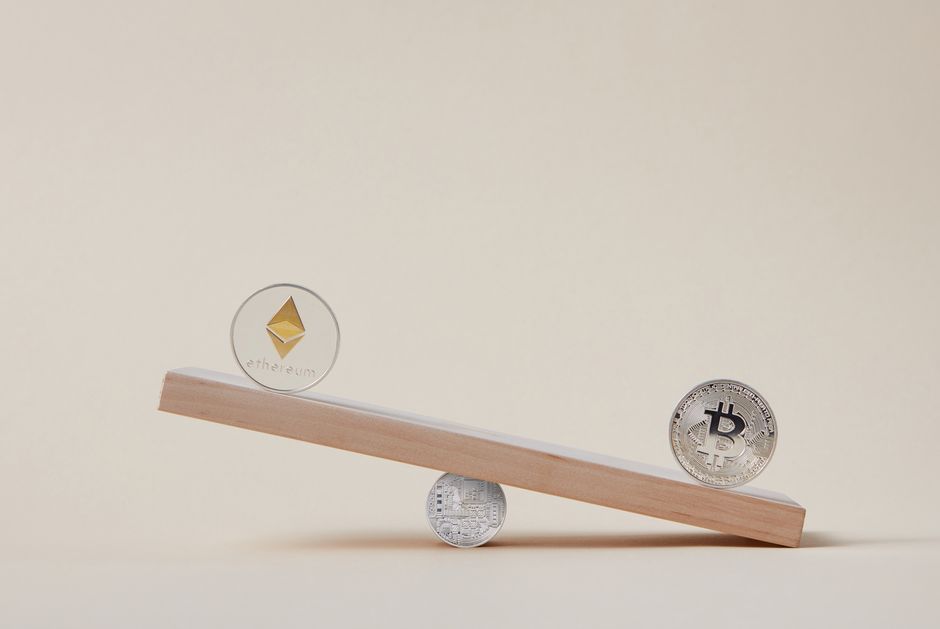
Introduction: Understanding Ethereum vs Solana in 2026
The cryptocurrency landscape in 2026 continues to evolve at a rapid pace, and for beginners exploring blockchain investments, choosing between **Ethereum vs Solana** represents one of the most consequential decisions you will make. Both platforms are heavyweight contenders in the smart contract blockchain space, yet they take fundamentally different approaches to solving the same core challenge: how to process transactions quickly, cheaply, and securely at global scale.
This **Ethereum vs Solana comparison for beginners** cuts through the technical jargon to give you a clear, practical understanding of what each platform offers, where the key differences lie, and what risks you need to understand before committing any capital. Neither platform is objectively “better” — the right choice depends on your investment goals, technical comfort level, and risk tolerance.
**Key risk reminder:** Cryptocurrency values are highly volatile. This article is for educational purposes only and does not constitute financial advice. Always consult a qualified financial professional before making investment decisions.
What Is Ethereum? Core Features and Fundamentals
**Ethereum** launched in 2015 and is widely credited as the platform that popularized smart contracts and decentralized applications (dApps). Created by Vitalik Buterin, Ethereum introduced the concept of a programmable blockchain where developers can build applications that run exactly as written without downtime, censorship, or third-party interference.
The native token of the Ethereum network is called **Ether (ETH)**, which serves two critical roles. First, it functions as a digital currency that can be transferred between wallets. Second, it acts as “gas” — the fuel that powers every operation on the network, from sending tokens to executing complex smart contracts. Every transaction on Ethereum requires a gas fee paid in ETH.
Ethereum’s key strengths include:
- The **largest and most established developer ecosystem** in the blockchain industry
- Proven security track record with over a decade of uptime
- Deep liquidity across exchanges and DeFi protocols
- Wide institutional adoption and recognition as a premier store of value among altcoins
What Is Solana? Core Features and Fundamentals
**Solana** entered the market in 2020 with a clear mission: solve the scalability bottlenecks that have long plagued Ethereum. Developed by Solana Labs, Solana uses an innovative hybrid consensus mechanism that combines **Proof of Stake (PoS)** with a unique component called **Proof of History (PoH)**. This architecture allows Solana to process transactions in parallel rather than sequentially, dramatically increasing throughput.
The native token of the Solana network is **SOL**, which serves similar functions to ETH — facilitating transactions, paying fees, and enabling participation in network governance. Solana’s architecture was designed from the ground up to prioritize speed and low costs, making it particularly attractive for applications that require high-frequency interactions.
Solana’s standout features include:
- **Transaction speeds** that can exceed 4,000 transactions per second (TPS) under optimal conditions
- Significantly **lower transaction fees** — often fractions of a cent compared to Ethereum’s variable gas costs
- A growing ecosystem of DeFi protocols, NFT marketplaces, and gaming platforms
- Strong developer tooling and an active, passionate community
Key Technical Differences Between Ethereum and Solana
Understanding the technical distinction between these two platforms is essential for any serious comparison.
Consensus Mechanisms
Ethereum completed its landmark transition from **Proof of Work (PoW)** to **Proof of Stake (PoS)** in September 2022, an event known as “The Merge.” This shift dramatically reduced the network’s energy consumption by approximately 99.95% and altered the way new ETH is issued. Under PoS, validators stake their own ETH as collateral to secure the network rather than competing through computational power.
Solana uses a **Proof of Stake** consensus model enhanced by its proprietary **Proof of History** mechanism. This timestamps transactions before they are processed, creating a historical record that eliminates the need for validators to communicate in real time about the order of events. The result is a faster, more efficient validation process.
Smart Contract Programming Languages
Developers building on Ethereum primarily use **Solidity**, a programming language specifically designed for Ethereum smart contracts. Solidity has accumulated years of documentation, audits, and security best practices, making it a mature and well-understood language within the industry.
Solana supports multiple programming languages, with **Rust** being the most prominent. Solana also supports C and C++, giving developers greater flexibility. Rust is known for its performance and memory safety features, though it has a steeper learning curve compared to Solidity.
Transaction Speed and Fees
| Feature | Ethereum | Solana |
|---|---|---|
| Avg. Transaction Speed | 12–15 TPS | 2,000–4,000 TPS |
| Avg. Transaction Fee | $1–$50+ (variable) | <$0.01 (often free) |
| Finality Time | ~6 minutes | ~1–2 seconds |
| Consensus Mechanism | Proof of Stake | PoS + Proof of History |
| Smart Contract Language | Solidity | Rust, C, C++ |
Ethereum’s variable fees, often called **gas fees**, can spike dramatically during periods of high network demand. Solana’s near-zero fees make it far more accessible for small-scale users and high-frequency applications.
Investment Risk Analysis: ETH vs SOL in 2026
Before investing in either platform, beginners must understand that both ETH and SOL carry significant risks inherent to the broader cryptocurrency market.
Volatility Profile
Both Ethereum and Solana are known for extreme price volatility. ETH has experienced drawdowns exceeding 80% during bear markets, and SOL has seen even more dramatic swings, including a multi-year recovery from a catastrophic price collapse in 2022. These are not assets for investors who cannot stomach seeing their portfolio value drop by half within weeks.
Technical and Regulatory Risks
Ethereum’s transition to PoS introduced new risks related to validator centralization, while Solana has faced multiple network outages in its history due to software bugs and high transaction loads. Both platforms operate in a regulatory environment that remains uncertain, particularly in the United States, where agencies like the SEC and CFTC continue to refine their oversight frameworks.
Market Position Risks
Ethereum benefits from a first-mover advantage and deep network effects, but it faces real competition from Solana, Avalanche, and other Layer-1 blockchains. Solana’s lower market cap relative to Ethereum means it has more room to grow — but also less institutional protection during market downturns.
**Never invest more than you can afford to lose entirely.** Diversification across multiple asset classes, not just ETH and SOL, is a cornerstone of sound portfolio management.
Practical Use Cases: Where Each Platform Excels
Both Ethereum and Solana have developed distinct ecosystems tailored to specific use cases, and understanding these differences helps you evaluate long-term potential.
Decentralized Finance (DeFi)
Ethereum remains the dominant platform for DeFi applications, hosting the largest total value locked (TVL) across protocols like Aave, Uniswap, and MakerDAO. Its ecosystem is deep, mature, and battle-tested. Solana’s DeFi ecosystem has grown substantially, with protocols like Raydium and Marinade Finance offering competitive alternatives, though overall TVL remains significantly lower than Ethereum’s.
NFTs and Digital Collectibles
Ethereum pioneered the NFT standard (ERC-721) and hosts the largest NFT marketplaces, including OpenSea and Blur. Solana has gained significant market share in the NFT space through platforms like Magic Eden and Tensor, appealing to creators and collectors who prioritize lower minting and trading fees.
Gaming and High-Frequency Applications
Solana’s speed and low fees make it particularly well-suited for blockchain-based gaming and applications requiring rapid microtransactions. Games built on Solana can process thousands of in-game transactions per second without imposing prohibitive costs on players. Ethereum’s higher fees have historically made it less practical for gaming-focused use cases, though Layer-2 scaling solutions are beginning to address this gap.
Enterprise and Institutional Adoption
Ethereum’s brand recognition, regulatory familiarity, and proven infrastructure have made it the preferred choice for enterprise blockchain initiatives and institutional-grade financial products. Solana is actively pursuing institutional adoption through programs like the Solana Foundation’s validator grants, but it has not yet reached the same level of credibility in traditional finance circles.
Developer Ecosystem and Community Support
The strength of a blockchain platform is ultimately measured by the people building on it and the tools available to them.
Ethereum’s Developer Community
Ethereum’s head start has produced the **largest and most robust developer ecosystem** in the cryptocurrency industry. Thousands of developers contribute to core protocol improvements, and the availability of documentation, open-source libraries, auditing firms, and development frameworks is unparalleled. Tools like Hardhat, Truffle, and ethers.js make Ethereum development accessible to both new and experienced programmers.
Solana’s Developer Ecosystem
Solana’s ecosystem is smaller but growing rapidly. The Solana Devrel program actively supports builders through grants, bootcamps, and technical resources. The Anchor framework has significantly lowered the barrier to entry for writing Solana smart contracts by abstracting much of Rust’s complexity. Solana’s developer Discord and GitHub communities are active and responsive.
Community and Governance
Both platforms use on-chain governance models where SOL and ETH holders can vote on proposed protocol changes. Ethereum’s governance tends to be more deliberation-heavy, with extensive public discussion preceding major upgrades. Solana’s governance has been more agile, enabling faster implementation of improvements — though this has occasionally been associated with network stability concerns.
Long-Term Outlook and Adoption Potential
Looking ahead, both platforms have compelling narratives for long-term value appreciation, but they carry meaningfully different risk-reward profiles.
Ethereum’s Growth Trajectory
Ethereum’s upcoming scalability upgrades, including **proto-danksharding (EIP-4844)** and eventual full sharding, are designed to increase data throughput while further reducing fees. These improvements aim to preserve Ethereum’s dominant position in DeFi and institutional finance while expanding its capacity. Institutional interest, evidenced by the approval of ETH spot ETFs in 2024, provides a structural demand floor that was previously absent.
Solana’s Growth Trajectory
Solana’s value proposition hinges on its ability to capture high-growth segments of the blockchain market that Ethereum’s fee structure currently excludes. Mobile DeFi, micropayments, real-world asset tokenization, and AI-integrated dApps represent promising frontiers where Solana’s performance advantages are most pronounced. However, Solana must demonstrate sustained network reliability to build the institutional trust necessary for broader adoption.
**Disclaimer:** Neither platform offers guaranteed returns. Past performance does not predict future results. Always perform your own due diligence and consult a qualified financial advisor before investing.
Frequently Asked Questions (FAQ)
Q: What are the key advantages of Ethereum over Solana?
A: Ethereum’s primary advantages are its **first-mover status, mature ecosystem, deeper liquidity, and broader institutional adoption**. The network has processed trillions of dollars in transactions and hosts the largest DeFi ecosystem by total value locked. Ethereum also benefits from widespread exchange support and regulatory clarity that Solana has not yet achieved. Its transition to Proof of Stake has made it significantly more energy efficient, addressing one of the original criticisms of PoW blockchains.
Q: Why is Solana considered a potential competitor to Ethereum?
A: Solana challenges Ethereum by offering **dramatically higher transaction throughput and near-zero fees**, making it far more practical for small-scale users and high-frequency applications. Its Proof of History consensus mechanism provides a technical differentiator designed specifically for speed. Solana’s growing ecosystem of DeFi protocols, NFT platforms, and gaming applications demonstrates that developers and users find genuine value in its performance-oriented architecture.
Q: How do the transaction speeds and fees of Ethereum and Solana compare?
A: Under normal conditions, Solana processes transactions at roughly **2,000 to 4,000 TPS**, while Ethereum handles approximately **12 to 15 TPS**. Solana’s fees consistently stay below one cent, whereas Ethereum’s gas fees can range from under a dollar during quiet periods to over $50 during peak demand. Solana transactions achieve finality in 1–2 seconds, compared to Ethereum’s roughly 6-minute finality window. These differences have meaningful practical implications depending on your intended use case.
Q: Is Ethereum or Solana a better investment for beginners in 2026?
A: There is no universally correct answer, as the better investment depends on your **individual risk tolerance, investment horizon, and financial goals**. Ethereum offers greater stability, institutional backing, and a more mature ecosystem — making it generally more suitable for conservative or longer-term strategies. Solana offers higher growth potential at the cost of greater volatility and technical risk. Beginners should start with thorough research, invest only amounts they can afford to lose, and consider consulting a qualified financial professional before committing capital to either platform.
Explore more altcoin guides on our site.
Charting & Exchange Resources
| Platform | Use Case | Key Feature | Fee Model | Action |
|---|---|---|---|---|
| TradingView | Charting & technical analysis | Indicators, multi-timeframe charts | Free / Pro tiers | View Platform |
| Coinbase | Exchange (beginner-friendly) | Simple USD on-ramp, educational tools | Varies by region | View Platform |
| Binance | Exchange (advanced pairs) | Wide altcoin coverage, spot markets | Varies by region | View Platform |
Affiliate Disclosure: This post contains affiliate links. We may earn a commission if you buy through our links, at no extra cost to you. Investment Risk Disclaimer: Cryptocurrency and digital asset markets are highly volatile. This content is for informational and educational purposes only and is not financial, investment, or trading advice. You may lose some or all of your capital. Do your own research and consult a licensed financial advisor before making investment decisions.
Leave a Reply