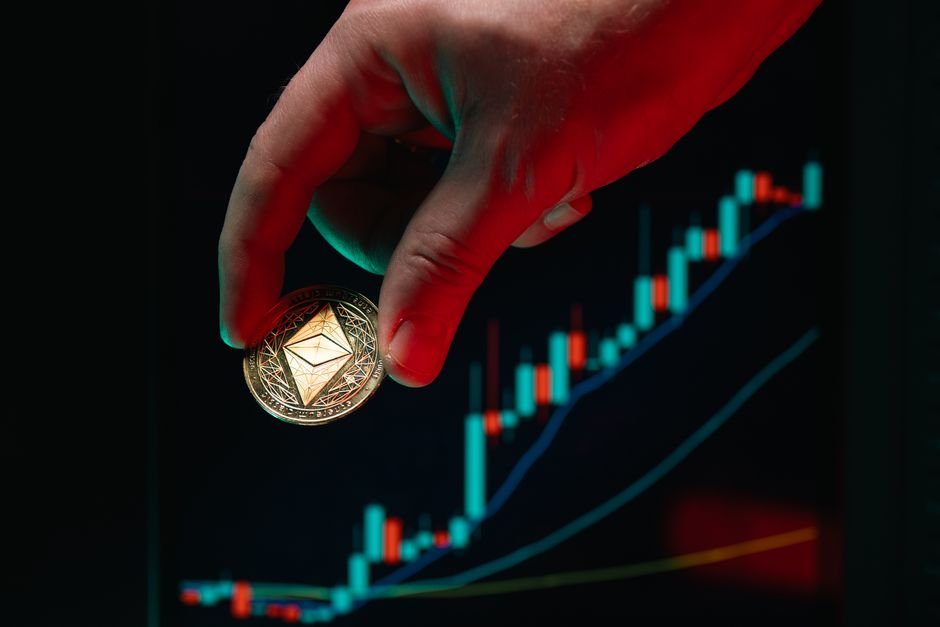
Cryptocurrency Market Overview
The cryptocurrency market continues to evolve rapidly in 2026, presenting both opportunities and significant risks for investors. **Digital assets** remain highly volatile, with market capitalization fluctuating based on regulatory developments, institutional adoption, and macroeconomic factors. Understanding current trends requires analyzing trading volumes, blockchain network activity, and broader financial market sentiment.
Key cryptocurrencies commanding attention include established assets like Bitcoin (BTC) and Ethereum (ETH), alongside emerging **decentralized finance (DeFi)** tokens and layer-2 scaling solutions. Market participants should recognize that past performance never guarantees future results. Cryptocurrency investments carry substantial risk of loss, and prices can swing dramatically within hours based on news events, regulatory announcements, or shifts in market sentiment.
Several concerns dominate current market discussions:
- **Regulatory uncertainty** across major jurisdictions, particularly regarding securities classification
- **Market manipulation** risks in less liquid trading pairs
- **Security vulnerabilities** in smart contracts and exchange infrastructure
- **Macroeconomic pressures** including interest rate policies affecting risk asset appetite
Investors must conduct thorough research and only allocate capital they can afford to lose entirely. The speculative nature of cryptocurrency markets means substantial portions of portfolios can vanish during downturns.
Bitcoin (BTC) Analysis
**Bitcoin** remains the largest cryptocurrency by market capitalization and continues serving as a bellwether for the broader digital asset market. BTC’s position as “digital gold” attracts institutional investors seeking portfolio diversification and inflation hedges, though its correlation with traditional risk assets has increased during recent market cycles.
Several factors influence Bitcoin’s price trajectory. Halving events, which reduce new supply issuance approximately every four years, historically precede price appreciation cycles, though this pattern offers no guarantee of future performance. Institutional adoption through spot **exchange-traded funds (ETFs)** and corporate treasury allocations affects demand dynamics. Regulatory clarity—or lack thereof—in major economies directly impacts investor confidence and market accessibility.
Investment risks include:
- **Extreme volatility** with potential 30-50% drawdowns in short timeframes
- **Regulatory crackdowns** that could limit access or impose unfavorable tax treatment
- **Technological risks** including potential quantum computing threats to cryptographic security
- **Competition** from newer blockchain protocols offering enhanced functionality
Potential rewards center on Bitcoin’s fixed supply of 21 million coins, growing institutional recognition, and expanding payment infrastructure. However, no investment in Bitcoin should be made without understanding you could lose your entire principal. This is not financial advice—consult qualified professionals before making investment decisions.
Ethereum (ETH) Analysis
Ethereum’s transition to **proof-of-stake (PoS)** consensus through “The Merge” fundamentally altered its economic model and environmental profile. As the leading smart contract platform, ETH supports thousands of decentralized applications spanning DeFi, **non-fungible tokens (NFTs)**, and enterprise blockchain solutions. Network activity and transaction fees directly correlate with demand for ETH as “gas” to power computations.
Upcoming developments include continued scaling improvements through **layer-2 rollups** like Optimism and Arbitrum, which batch transactions off the main chain while inheriting Ethereum’s security. Proto-danksharding upgrades aim to dramatically reduce data availability costs, potentially lowering transaction fees for end users. These technical improvements could expand Ethereum’s addressable market, though successful implementation carries execution risk.
Risks specific to Ethereum include:
- **Smart contract vulnerabilities** leading to exploits and fund losses
- **Competing platforms** like Solana, Avalanche, and newer blockchains offering different tradeoffs
- **Regulatory scrutiny** particularly regarding DeFi protocols and token classifications
- **Network congestion** during high-demand periods causing elevated transaction costs
Opportunities stem from Ethereum’s dominant developer mindshare, extensive tooling ecosystem, and first-mover advantage in programmable blockchains. The shift to PoS reduced ETH issuance, potentially creating deflationary pressure during high network usage. Yet cryptocurrency markets remain unpredictable, and technological advantages don’t guarantee investment returns.
DeFi and Altcoin Trends
**Decentralized finance** protocols aim to recreate traditional financial services—lending, borrowing, trading, and asset management—without centralized intermediaries. DeFi’s total value locked (TVL) fluctuates with market conditions, expanding during bull markets and contracting sharply during downturns. Users interact directly with smart contracts, assuming both the benefits of disintermediation and full responsibility for security.
Promising altcoins gaining traction include:
- **Layer-2 scaling solutions** reducing Ethereum transaction costs
- **Interoperability protocols** enabling communication between different blockchains
- **Privacy-focused coins** offering enhanced transaction confidentiality
- **Real-world asset tokenization** platforms bridging traditional and digital finance
Investing in DeFi and altcoins carries heightened risks compared to established cryptocurrencies:
- **Smart contract exploits** have resulted in billions in losses across DeFi protocols
- **Rug pulls and scams** where developers abandon projects after raising funds
- **Extreme illiquidity** making position exits difficult without substantial slippage
- **Regulatory uncertainty** with many tokens potentially classified as unregistered securities
- **Technical complexity** requiring deep understanding to assess protocol risks
Many altcoins experience 70-90% drawdowns from peak valuations, and countless projects have gone to zero. The speculative nature of this market segment demands exceptional caution and thorough due diligence before committing capital.
Cryptocurrency Trading Platforms
Selecting a cryptocurrency exchange requires evaluating security measures, regulatory compliance, trading fees, available assets, and user interface quality. Major platforms serving U.S. customers include Coinbase, Kraken, and Gemini, each offering different features and fee structures. International exchanges may offer broader asset selection but potentially less regulatory protection for American users.
| Feature | Centralized Exchanges | Decentralized Exchanges |
|---|---|---|
| Custody | Platform holds assets | User controls private keys |
| Regulation | Subject to licensing | Variable legal status |
| Fiat On-Ramp | Direct bank transfers | Requires existing crypto |
| Trading Fees | 0.1-0.5% typical | Variable gas fees |
| Security Risk | Exchange hacks | Smart contract exploits |
Key considerations when choosing a platform:
- **Security features** including two-factor authentication, withdrawal whitelisting, and cold storage practices
- **Regulatory compliance** with state money transmitter licenses and federal reporting requirements
- **Insurance coverage** for digital assets held in custody
- **Customer support** responsiveness and dispute resolution processes
- **Fee transparency** covering trading commissions, withdrawal fees, and network costs
Risks include exchange insolvency or hacks resulting in total loss of deposited funds. “Not your keys, not your coins” emphasizes that assets held on exchanges remain under platform control, not yours. Hardware wallets offer enhanced security for long-term holdings but require careful backup procedures. Never invest more than you can afford to lose, and diversify custody solutions to reduce single points of failure.
Cryptocurrency Investment Strategies
Successful cryptocurrency investing requires clear strategies aligned with risk tolerance and financial goals. **Portfolio diversification** across multiple assets reduces exposure to any single coin’s volatility, though correlation among cryptocurrencies often increases during market stress. Allocating a modest percentage of overall investment portfolios to digital assets—often suggested at 1-5%—limits potential losses while maintaining exposure to potential upside.
Long-term investing (“HODLing” in crypto terminology) involves buying assets and holding through market cycles, avoiding emotional reactions to short-term volatility. This approach requires conviction in underlying technology and willingness to endure 50%+ drawdowns. Historical data shows cryptocurrencies experience multi-year bear markets where prices remain suppressed, testing investor patience and financial capacity.
Short-term trading attempts to capitalize on price swings but requires:
- **Technical analysis** skills to identify entry and exit points
- **Risk management** through position sizing and stop-loss orders
- **Emotional discipline** to avoid revenge trading after losses
- **Tax awareness** as frequent trading generates short-term capital gains taxed at higher rates
Managing risk demands setting clear rules:
- Never invest emergency funds or money needed for essential expenses
- Use dollar-cost averaging to reduce timing risk by investing fixed amounts regularly
- Rebalance portfolios periodically to maintain target allocations
- Store private keys securely with multiple backup methods
- Understand tax implications of every transaction
Cryptocurrency investments remain highly speculative. No strategy eliminates risk, and substantial losses are common even among experienced investors. This content provides educational information only—not personalized financial advice.
Regulatory Environment and Market Impact
Regulatory developments significantly influence cryptocurrency market dynamics. U.S. authorities including the Securities and Exchange Commission (SEC), Commodity Futures Trading Commission (CFTC), and Financial Crimes Enforcement Network (FinCEN) assert overlapping jurisdiction over different aspects of digital assets. Classification questions—whether specific tokens constitute securities, commodities, or currencies—remain contested, creating uncertainty for market participants.
Recent regulatory trends include:
- **Enforcement actions** against exchanges and DeFi protocols for alleged securities violations
- **Stablecoin regulation** proposals requiring reserves and banking-like oversight
- **Tax reporting requirements** mandating exchanges report customer transactions to the IRS
- **Anti-money laundering (AML)** rules extending to decentralized platforms and developers
Potential impacts of stricter regulation include reduced market access for U.S. investors, increased compliance costs passed to users, and possible delistings of tokens deemed securities. Conversely, clear regulatory frameworks could encourage institutional participation by reducing legal uncertainty. The balance between consumer protection and innovation remains hotly debated.
Navigating this landscape requires:
- Monitoring regulatory announcements from relevant agencies
- Understanding tax obligations including capital gains reporting and FBAR requirements for foreign accounts
- Using compliant platforms that implement know-your-customer (KYC) procedures
- Recognizing that regulatory changes can rapidly impact asset accessibility and valuations
- Consulting tax and legal professionals familiar with cryptocurrency regulations
Regulatory risk represents a fundamental uncertainty in cryptocurrency investing. Sudden policy shifts can trigger significant market volatility or render certain investment strategies impractical.
Investment Risk Disclaimer
Cryptocurrency investments involve substantial risk of loss. Digital assets experience extreme price volatility, with potential for complete loss of invested capital. Prices can decline 50% or more within days based on market sentiment, regulatory developments, or technical issues. Past performance provides no indication of future results.
This article provides educational information about cryptocurrency market trends and should not be construed as financial advice, investment recommendations, or encouragement to buy or sell any specific asset. Readers must conduct independent research and consult qualified financial advisors before making investment decisions. The author and publisher assume no liability for financial losses resulting from information presented here.
Key risks include market volatility, regulatory uncertainty, technological vulnerabilities, exchange insolvency, smart contract exploits, and potential permanent loss of funds through user error or theft. Only invest capital you can afford to lose entirely without impacting your financial security.
Frequently Asked Questions (FAQ)
What are the risks of investing in cryptocurrencies?
Cryptocurrency investments carry multiple significant risks. **Volatility** represents the most visible danger, with assets routinely experiencing 30-70% price declines during bear markets. Unlike traditional securities, no circuit breakers halt trading during crashes, and markets operate 24/7 without pause. Regulatory uncertainty means governments could impose restrictions limiting market access or imposing unfavorable tax treatment. Security concerns include exchange hacks, phishing attacks, smart contract exploits, and user errors resulting in permanent fund loss. Investors should recognize the possibility of total capital loss and never invest essential funds.
How can I get started with investing in cryptocurrencies?
Begin by educating yourself thoroughly on blockchain technology, market dynamics, and security best practices before committing any capital. Choose a reputable cryptocurrency exchange complying with U.S. regulations, such as Coinbase, Kraken, or Gemini. Complete required identity verification (KYC) and enable strong security features including two-factor authentication. Start with small amounts to learn the platform mechanics and experience market volatility firsthand. Understand tax implications—all cryptocurrency transactions may trigger capital gains or losses. Consider dollar-cost averaging to reduce timing risk, and never invest more than you can afford to lose. Store significant holdings in hardware wallets rather than keeping everything on exchanges.
What are some promising cryptocurrencies to watch in the near future?
Established cryptocurrencies like **Bitcoin** and **Ethereum** remain core holdings for most digital asset portfolios given their market dominance and institutional recognition. Layer-2 scaling solutions addressing Ethereum’s transaction costs deserve attention, though technical complexity increases risk. DeFi protocols with proven track records and security audits may offer opportunities, but require deep technical understanding. Newer blockchain platforms emphasizing scalability or interoperability compete for developer mindshare. However, “promising” does not mean “guaranteed to appreciate”—countless highly-touted projects have failed completely. Most altcoins dramatically underperform during bear markets. Any investment should follow extensive research into technology, team credibility, tokenomics, and competitive positioning. Remember that cryptocurrency markets remain largely speculative, and the majority of tokens may ultimately prove worthless.
Explore more trending cryptos guides on our site.
Charting & Exchange Resources
| Platform | Use Case | Key Feature | Fee Model | Action |
|---|---|---|---|---|
| TradingView | Charting & technical analysis | Indicators, multi-timeframe charts | Free / Pro tiers | View Platform |
| Coinbase | Exchange (beginner-friendly) | Simple USD on-ramp, educational tools | Varies by region | View Platform |
| Binance | Exchange (advanced pairs) | Wide altcoin coverage, spot markets | Varies by region | View Platform |
Affiliate Disclosure: This post contains affiliate links. We may earn a commission if you buy through our links, at no extra cost to you. Investment Risk Disclaimer: Cryptocurrency and digital asset markets are highly volatile. This content is for informational and educational purposes only and is not financial, investment, or trading advice. You may lose some or all of your capital. Do your own research and consult a licensed financial advisor before making investment decisions.
Leave a Reply